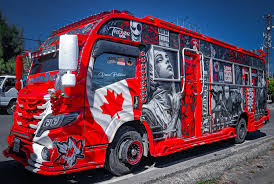
The National Transport and Safety Authority (NTSA) has issued a directive requiring all licensed public service vehicle (PSV) operators to immediately inspect their vehicles for regulatory compliance or face penalties such as licence suspension, impoundment, or revocation.
In a notice issued on Tuesday, the NTSA stated that many commuter PSVs have been found in violation of existing regulations, primarily due to the use of graffiti and unauthorised decorations. These visual alterations obscure crucial vehicle identifiers, including the sacco or company name, route details, and the standard yellow line that signifies licensing.
NTSA also noted that several vehicles are missing official operational stickers and other identifying marks issued by the authority, making enforcement efforts more challenging.
“These violations affect public trust and create confusion over who is allowed to operate,” the notice added.
Full Vehicle Audit Required
The NTSA is calling on all PSV operators to conduct a full audit of their fleet and resolve any non-compliance issues immediately. The agency emphasized that failure to act will lead to individual accountability, not just group-level sanctions.
Operators have been urged to consult the more detailed notice available on the NTSA website or visit the nearest NTSA office for assistance.
This directive follows a series of enforcement actions earlier this year. In January, NTSA officers, in collaboration with police in Nairobi and Kiambu counties, impounded several PSVs and arrested their operators as part of an ongoing crackdown on non-compliant vehicles.
The operation particularly targeted matatus, commonly known as nganyas, which have gained a reputation for breaching road safety laws. According to NTSA, the enforcement focused on PSVs displaying excessive graffiti, overly bright fog lights, and heavily tinted windows—especially on the driver’s side.
These actions came in response to public outcry on social media, where videos showing PSVs committing various traffic offenses—such as dangerous overtaking—had gone viral, raising nationwide concern.