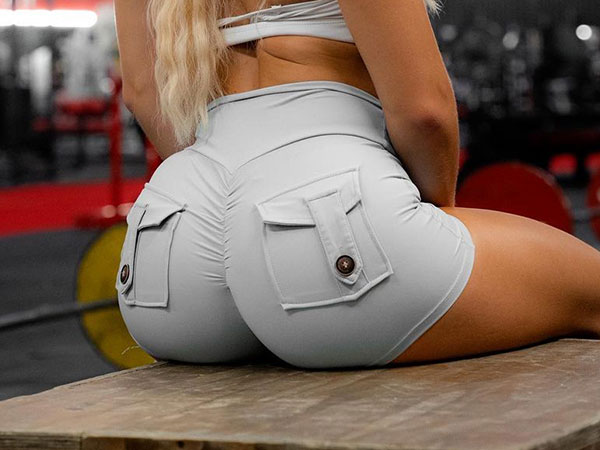
Nairobi, Kenya, Wednesday, September 10, 2025 – Why do men’s clothes have so many pockets while women’s garments often come with fake ones or none at all? For centuries, the humble pocket has symbolised more than just practicality. Today, it represents a long-running gender divide in fashion, with a renewed push for change under the viral #WeWantPockets movement.
On TikTok, women are posting videos of “the claw grip,” clutching as many items as possible in their hands to highlight the frustration of not having pockets. The trend has reignited debate on why women’s fashion prioritises aesthetics over practicality — a conversation that has spilled into social media trends across Kenya as well.
At this year’s autumn/winter 2025–26 fashion shows, major brands like Prada, Louis Vuitton, and Simone Rocha sent models down the runway confidently strutting with their hands tucked into deep pockets. The message was clear: pockets are powerful, stylish, and political.
The History of Pocket Inequality
Pocket inequality is not new. In the 16th and 17th centuries, women wore tie-on pockets hidden under skirts to carry money, keys, or sewing kits. According to University of the Arts London fashion historian Caroline Stevenson, these pockets symbolised autonomy. But when slim Regency silhouettes arrived in the late 18th century, pockets disappeared, and with them a measure of female independence.
By the early 20th century, pockets had become a political issue. Suffragettes demanded not just the vote but also functional clothing. Satirical cartoons mocked women who wore garments with large pockets, suggesting that practicality was unfeminine.
Designer Claire McCardell, often called the mother of American sportswear, challenged this. Her ready-to-wear dresses with integrated pockets became revolutionary in the 1940s, offering women comfort and confidence. Elizabeth Evitts Dickinson, author of Claire McCardell: The Designer Who Set Women Free, argues that McCardell’s designs were about more than fabric. They were about women’s freedom, power, and identity.
Fashion, Power, and the Handbag Industry
Despite McCardell’s progress, the handbag industry has long resisted pocket equality. As Harper’s Bazaar editor Diana Vreeland once admitted, pockets threatened a multi-billion-dollar handbag market. Brands like Christian Dior cemented this bias in the 1950s with cinched silhouettes and decorative women’s fashion. Dior famously declared: “Men have pockets to keep things in, women for decoration.”
Ironically, Dior’s 2025–26 collection, designed by Maria Grazia Chiuri, embraced oversized pockets. Yet, with male creative directors dominating most fashion houses, experts question whether this is a true shift or a passing trend.
The Modern Fight for Pocket Equality
In recent years, consumer frustration has grown. A YouGov survey revealed that four in ten women refuse to buy clothes without pockets. Even children are speaking out. Earlier this year, an eight-year-old girl wrote to Sainsbury’s asking why girls’ trousers had fake pockets while boys’ had real ones.
Entrepreneurs are stepping in. Julie Sygiel launched The Pockets Project in 2021, creating dresses with large, functional pockets. She argues that pockets affect more than convenience:
“When men enter a room with everything in their pockets, they appear confident and at ease. Women, weighed down by handbags, are seen as visitors in that space.”
Her designs have resonated with many buyers, with collections selling out quickly.
Will Pockets Finally Become the Norm?
The fashion world remains divided. Some houses like Prada and Louis Vuitton are leaning into functionality. Others prioritise aesthetics and handbag sales. Analysts note that as profits in luxury fashion decline, brands may finally have to listen to women’s demands.
For now, the fight for pocket parity continues. As Dickinson notes:
“The idea that a pocket still feels like an accessory and not a necessity is shocking. Women deserve clothes that match their lives, not just a designer’s idea of beauty.”