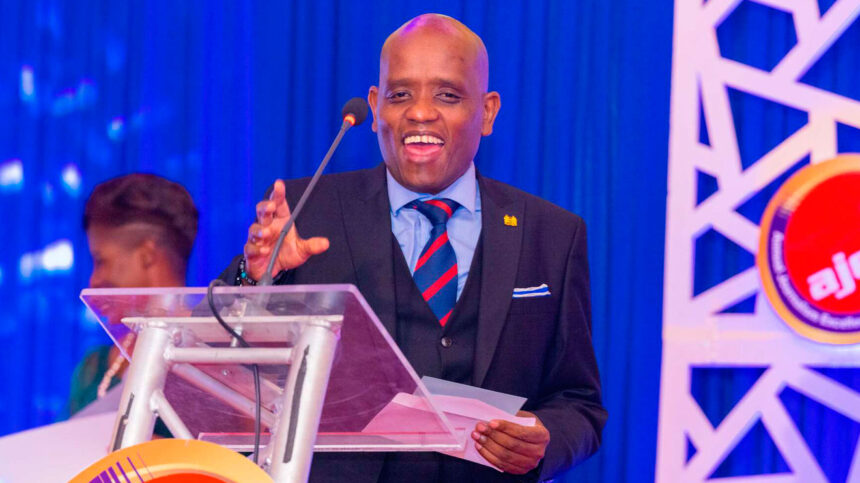
Head of Presidential Special Projects and Creative Economy Dennis Itumbi has confirmed that the government plans to work with social media influencers to communicate its programmes and explain its agenda to Kenyans.
Itumbi said the strategy is part of a broader government communication approach and argued that the growing reach of social media makes digital creators an important channel for reaching the public.
Itumbi explains why government wants influencers
Speaking on Saturday, October 3, Itumbi said the government was endorsing 43 systems, with the inclusion of influencers in telling the government’s story being one of them.
He said the approach was contained in the United Democratic Alliance (UDA) manifesto and therefore represented an implementation of a commitment made by President William Ruto.
Itumbi also cited findings from the Media Council of Kenya, saying social media has a higher reach than mainstream media. The council’s 2025 State of the Media survey found that social media had become Kenya’s leading source of news, with 39% of respondents identifying it as their main platform compared with 31% for television.
“Participate in telling your government’s story from a factual level and building your country,”
Itumbi told influencers, explaining that their role would be to communicate government programmes using information that can be verified.
Influencers to access government documents
Itumbi said influencers engaged under the strategy would be allowed to access relevant government documents and information before creating content.
He said the creators would be expected to establish that the information was factual before explaining it to their audiences in language they could easily understand.
Addressing criticism surrounding communication about the Social Health Authority (SHA), Itumbi said:
“Mlisema Social Health Authority SHA imecollupse where there is nothing like that, maybe it’s the platform which the government is communicating from. That is why we need influencers to tell the factual stories.”
The government has previously said it was willing to financially support content creators producing material around its programmes, including housing, health, job creation and agriculture.
Itumbi defends paying influencers
Itumbi also defended the possibility of government payments to influencers, comparing the arrangement to the way government institutions purchase advertising space in newspapers.
He said there was no problem with paying digital creators to communicate government programmes, arguing that influencers can reach audiences that may not consume traditional media.
His remarks come amid increased visibility of influencers and digital creators showcasing government projects, a development that has generated debate over the role of paid social media content in government communication.
With the 2027 General Election approaching, the growing use of influencers in political and government communication is likely to remain a subject of public discussion, particularly around transparency, disclosure of sponsored content and the distinction between factual public information and political messaging.