Welcome to our comprehensive guide on the top 10 Richest African countries. In this article, we delve into the economic landscapes of African nations, highlighting their prosperity and potential for growth. Our in-depth analysis and data-driven insights aim to provide you with a clear understanding of the economic powerhouses on the African continent.
Introduction
Africa, home to many of the world’s poorest nations, faces significant challenges such as unstable economies, widespread poverty, and limited access to vaccines, hindering the continent’s recovery from the COVID-19 pandemic.
Additionally, several African countries, including Cameroon, Chad, Nigeria, and Somalia, are grappling with ongoing conflicts either involving terrorist insurgencies or internal disputes, further straining their economic situations.
Nevertheless, Africa’s 54 nations also boast some of the world’s fastest-growing economies. With agriculture, trade, and natural resources sectors driving progress, the African economy is projected to reach a GDP of $29 trillion by 2050.
The region benefits from a burgeoning and ambitious workforce, with sub-Saharan Africa alone welcoming 20 million new job seekers each year. Furthermore, Africans are rapidly closing the technological gap as over 90,000 residents of sub-Saharan Africa join the online community daily.
While Africa remains the least developed among the major continents, even its wealthiest countries still lag behind the global economic leaders. Nonetheless, Africa’s potential is undeniably substantial.
Using gross domestic product (GDP) to measure the wealth of African countries
Gross Domestic Product (GDP) is commonly used as a measure to assess the wealth and economic performance of countries around the world, including African nations. However, it is essential to recognize that GDP alone may not provide a comprehensive picture of the wealth and well-being of African countries.
GDP represents the total value of goods and services produced within a country’s borders over a specific period. It serves as an indicator of economic activity and growth, allowing for comparisons between different nations. While GDP can provide valuable insights into the size and productivity of an economy, it has limitations when it comes to measuring wealth and development.
A major drawback of relying solely on GDP is that it does not consider factors such as income distribution, quality of life, social indicators, or the informal economy. In many African countries, a significant portion of economic activity takes place in the informal sector, which is not fully captured in official GDP calculations. This can result in an underestimation of the true economic potential and wealth of these nations.
Moreover, GDP does not account for social inequalities and disparities within a country. In Africa, where income inequality is often high, relying solely on GDP figures can mask the realities of poverty and limited access to basic services that many people face. Therefore, a more holistic approach is needed to understand the wealth and well-being of African countries.
Alternative measures such as the Human Development Index (HDI) and the Multidimensional Poverty Index (MPI) attempt to capture a broader range of factors, including education, healthcare, and living standards. These measures offer a more nuanced perspective on the overall development and wealth of a nation.
In conclusion, while GDP is a useful tool for assessing economic activity, it should not be the sole determinant of the wealth and well-being of African countries. Adopting a more comprehensive approach that considers social indicators and inequalities will provide a more accurate understanding of the true wealth and development of these nations.
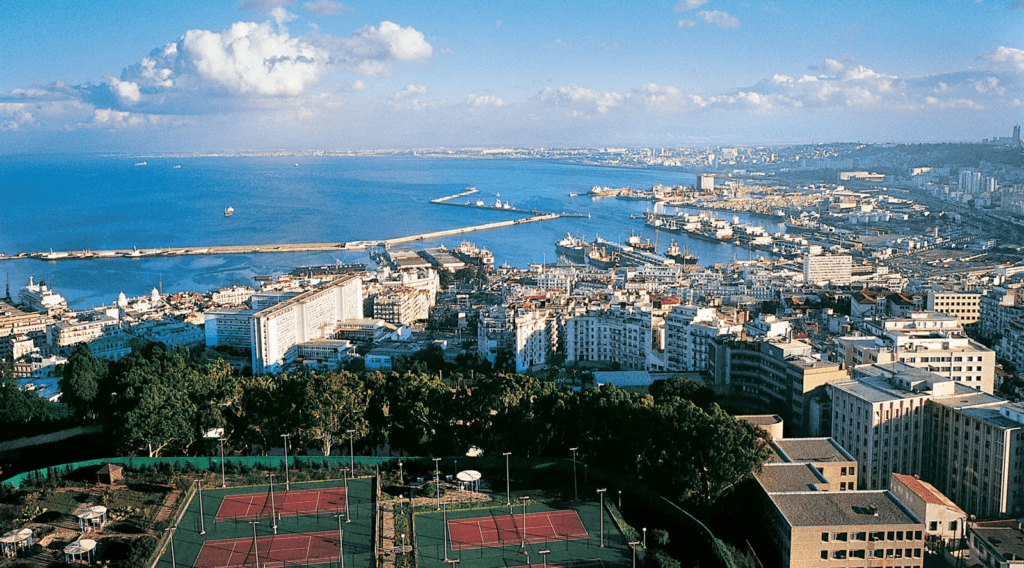
Top 10 Richest African Countries by Overall GDP (current US$ – World Bank)
- Nigeria — $440,834 million
- South Africa — $419,015 million
- Egypt — $404,143 million
- Algeria — 163,044 million
- Morocco — $142,866 million
- Ethiopia — $111,271 million
- Kenya — $110,347 million
- Ghana — $77,594 million
- Ivory Coast — $70,043 million
- Tanzania — $67,404 million
In terms of GDP measured in current USD, Nigeria emerged as the richest country in Africa in 2021. With a population of 211 million residents, Nigeria holds the distinction of being the most populous country on the continent, nearly double the population of Egypt. Nigeria’s economy is classified as a lower-middle-income, mixed economy, with a primary focus on petroleum and, to a lesser extent, agriculture. The country is experiencing growth in various sectors, including finance, services, communications, and technology, positioning it as an emerging market.
However, when considering the total GDP adjusted by purchasing power parity (PPP INT$), Egypt takes the lead as the richest country in Africa for 2021. With a population of 104 million people, Egypt ranks as the third-most populous nation on the continent. Egypt boasts a mixed economy that relies on strong sectors such as tourism, agriculture, and fossil fuels. Additionally, the country is experiencing growth in its information and communications technology sector, which adds to its economic strength.
It is worth noting that the ranking of the richest country in Africa can vary depending on the specific metric used, whether it is GDP in current USD or GDP adjusted by purchasing power parity. Each measurement offers a different perspective on a country’s economic status and wealth.
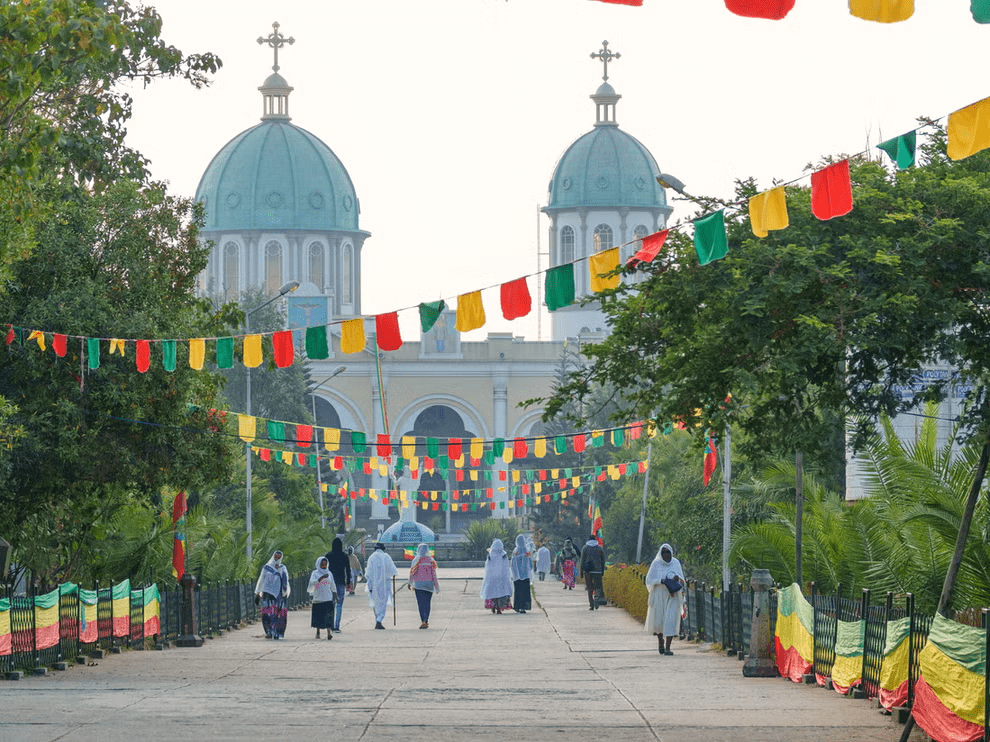
Top 10 Richest African Countries by Overall GDP & Purchasing Power Parity- World Bank
- Egypt — $1.39 trillion
- Nigeria — $1.15 trillion
- South Africa — $868.58 billion
- Algeria — $535.80 billion
- Morocco — $333.24 billion
- Ethiopia — $306.45 billion
- Kenya — $276.22 billion
- Angola — $223.97 billion
- Ghana — $196.05 billion
- Sudan — $185.64 billion
Shortcomings of GDP in measuring the wealth of a country
Ignoring Income Inequality
One of the major shortcomings of GDP is its inability to account for income inequality within a country. GDP measures the total economic output without considering how that output is distributed among the population. Thus, a nation with a high GDP may still have a significant wealth gap, leading to social and economic disparities.
Neglecting Non-Market Activities
GDP primarily focuses on market-based transactions and overlooks non-market activities, such as household chores and volunteer work. These activities contribute to the overall well-being of a society but are not accounted for in GDP calculations. As a result, GDP may underestimate the true value of productive activities within a country.
Disregarding Environmental Impact
GDP fails to consider the environmental consequences of economic activities. It does not distinguish between sustainable and unsustainable growth. For instance, industries causing pollution or depleting natural resources may contribute to GDP growth but harm the long-term well-being of the environment and future generations.
Failing to Capture Quality of Life
GDP provides a monetary measure of economic output but does not directly capture the quality of life experienced by individuals. Factors like healthcare, education, and social well-being are not adequately reflected in GDP figures. Consequently, a high GDP does not necessarily translate into a high standard of living for all citizens.
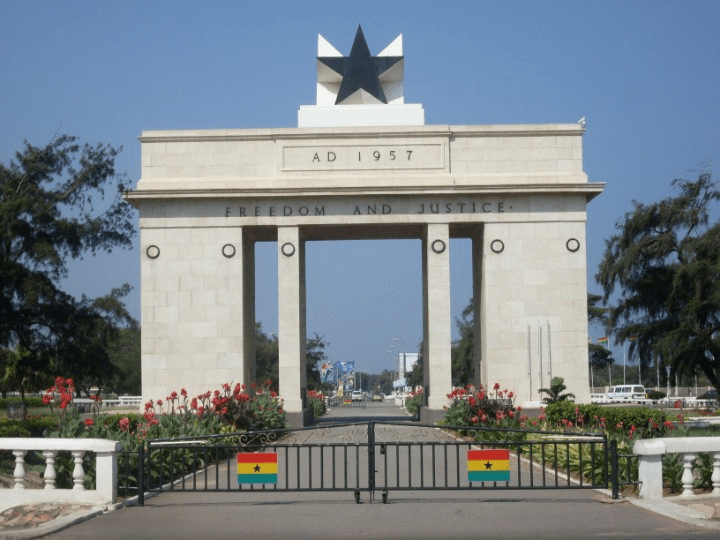
Strengths of using GDP per Capita in measuring the wealth of a country
Accounting for Population Size
Evaluating Living Standards
GDP per capita serves as an indicator of living standards as it considers the economic output relative to the population. Higher GDP per capita suggests a higher average income, which can positively impact the quality of life, access to resources, and opportunities available to individuals.
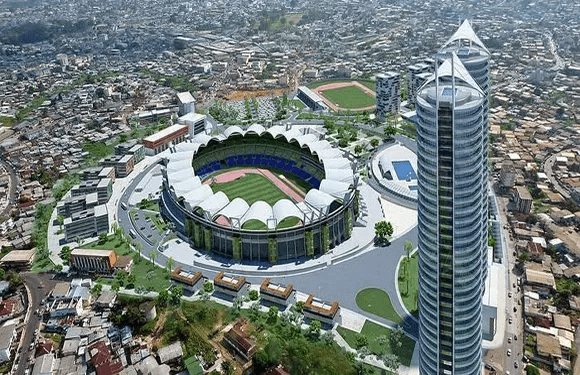
Top 10 Richest African Countries by GDP per Capita
- Seychelles — $14,653.3
- Mauritius — $9,106.2
- Gabon — $8,635.3
- Equatorial Guinea — $7,506.7
- South Africa — $7,055.0
- Botswana — $6,805.2
- Libya — $6,357.2
- Namibia — $4,856.6
- Eswatini — $3,978.4
- Tunisia — $3,807.1