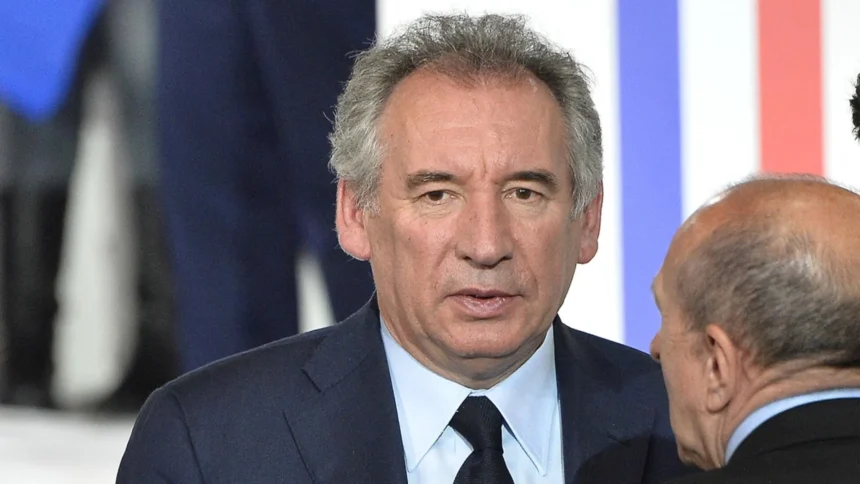
Paris, France – September 9, 2025, 10:00 AM (EAT) – France has been thrown into a fresh political crisis after Prime Minister François Bayrou’s government was defeated in a critical confidence vote in the National Assembly on Monday evening.
Bayrou lost by 364 votes to 194, forcing him to prepare his resignation, which he will formally present to President Emmanuel Macron on Tuesday. The French presidency has confirmed that Macron will announce the way forward “in the coming days.”
What Happens After Bayrou’s Defeat?
The defeat leaves Macron with several options:
- Appoint a new prime minister from the centre-right.
- Seek compromise with the Socialist Party by naming a left-leaning figure.
- Dissolve parliament and call for snap elections.
Macron’s opponents in the far-left France Unbowed party have gone further, demanding his own resignation. However, most analysts consider this outcome highly unlikely.
If a new head of government is appointed, it would mark France’s fifth prime minister in less than two years, reflecting widespread political instability and deepening public frustration with Macron’s second term.
Why Did Bayrou Fall?
Bayrou triggered the showdown himself by calling an emergency confidence vote over his austerity-driven debt strategy. He warned that France’s €3.4 trillion debt was an “existential” threat and pushed for controversial measures, including:
- Scrapping two national holidays.
- Freezing welfare payments and pensions.
- Saving €44 billion in public spending by 2026.
Despite his warnings, both the left and the far-right united against him. His lack of a parliamentary majority sealed his downfall. Some observers called the move “political suicide,” noting that Bayrou could have delayed the vote and worked to build alliances.
In his final speech, Bayrou defended his stance as a matter of principle rather than politics, warning:
“Submission to debt is the same as submission to arms. Current debt levels mean plunging young people into slavery.”
Public Reaction and Rising Protests
Polls suggest that debt reduction is not a top priority for French citizens compared to the cost of living, security, and immigration.
Grassroots movements are already mobilizing. A group calling itself Bloquons Tout (Let’s Block Everything) has pledged sit-ins, boycotts, and protests starting Wednesday. Trade unions have also announced nationwide demonstrations for September 18.
This unrest comes on the heels of widespread anger over Macron’s unpopular pension reform, which raised the retirement age from 62 to 64. Opposition parties on both the left and right have vowed to fight for its repeal.
The Economic Storm Ahead
France’s debt burden continues to climb. Servicing costs are projected to soar from €30 billion in 2020 to more than €100 billion by 2030, according to Financial Times and Reuters. At the same time, Macron has promised increased funding for defence, straining state resources even further.
Who Could Replace Bayrou?
Attention now shifts to potential successors. Speculation in French media points to three names within Macron’s circle:
- Defence Minister Sébastien Lecornu
- Labour Minister Catherine Vautrin
- Finance Minister Éric Lombard
A pivot to the left remains possible but unlikely. The Socialist Party insists it will only cooperate if Macron abandons pro-business policies and reverses pension reforms—conditions that would undermine his presidential legacy.
A Presidency Under Pressure
Bayrou’s resignation will mark the second collapse of a Macron-appointed prime minister in less than a year. His predecessor, Michel Barnier, also lost parliamentary support in 2024.
With mounting protests, economic challenges, and no parliamentary majority, Macron faces what could be the defining test of his presidency.