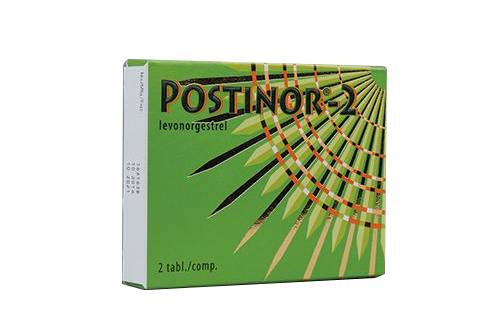
A recent medical study from Hong Kong has revealed that women who combined a prescription painkiller with a morning-after pill experienced greater success in preventing pregnancies compared to those who solely relied on the emergency contraceptive.
Conducted at a reproductive health services center in Hong Kong between 2018 and 2022, the study was featured in The Lancet on Wednesday. The research involved a randomized controlled trial comprising 860 women who sought emergency contraception.
Historically, a 1998 trial indicated that levonorgestrel, a widely used morning-after pill, displayed a 95 percent effectiveness in preventing pregnancies when taken within 24 hours of unprotected sexual intercourse.
However, the new study’s authors assert that taking levonorgestrel in conjunction with piroxicam, a prescription medication commonly prescribed for arthritic pain and inflammation, “significantly enhanced the efficacy of emergency contraception.”
Within a cohort of 418 women who ingested both levonorgestrel and piroxicam, only one individual encountered a pregnancy, resulting in an overall efficacy rate of 99.8 percent. In contrast, among a similarly sized group that took levonorgestrel and a placebo, seven pregnancies occurred, indicating an efficacy rate of 98.3 percent.
Sue Lo, a co-investigator from the Family Planning Association of Hong Kong, conveyed her enthusiasm about the findings, deeming them a “pioneer discovery.” She expressed hope that other researchers would build upon this revelation.
Lo stated, “For the general public, the emergency contraceptives that we have been using (are) really good… We’re lucky that we find something to perfect the regimen.”
The researchers noted that both test groups exhibited comparable rates of side effects, including delayed periods.
Raymond Li, the study’s first author from the University of Hong Kong, underlined that this study marked the first instance where a “readily available and safe” medication, combined with levonorgestrel, demonstrated an efficacy boost.
However, Lo emphasized that further replication was necessary before the findings could warrant changes in policy.
“It’s a little bit too early to ask women to add (piroxicam) into their regimen at this point,” she cautioned. “Anybody who needs emergency contraception should go to see a doctor… Whether she should add another prescription drug on top of (levonorgestrel), she should discuss with a doctor.”
In a separate commentary published in The Lancet, Erica Cahill from Stanford University School of Medicine advised caution, suggesting that the conclusion “might not apply to all patients.”
Cahill pointed out that the study participants were primarily of Asian descent and had a body weight below 70 kilograms (154 pounds), which means the improved effectiveness “might not be applicable to patients with higher BMIs.”