A group representing survivors of the Rwandan genocide Tuesday expressed anger and disappointment at a U.N. appeal court ruling that Felicien Kabuga should be urgently considered for release after he was declared unfit for trial.
The Ibuka association representing survivors slammed the decision in the case of former business tycoon Felicien Kabuga.
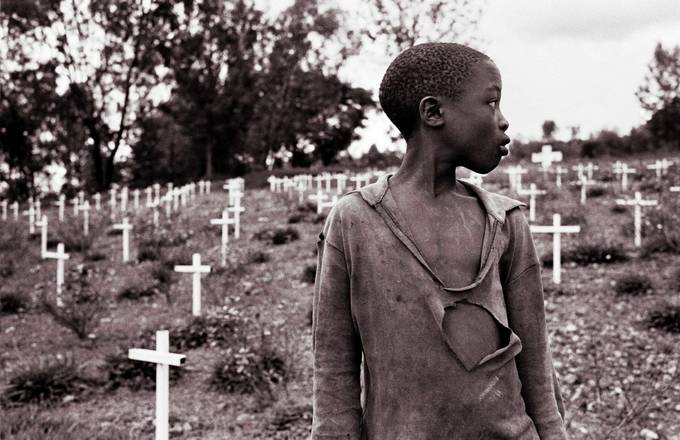
Kabuga is accused of setting up a hate broadcaster that fueled the 1994 slaughter of around 800,000 people.
“The ruling to potentially release Kabuga is a deliberate insult to the deep wounds that genocide survivors suffer,” Naphtali Ahishakiye, executive secretary of the group, told reporters.
The survivors are “extremely angry and disappointed,” said Ahishakiye, saying it set a “deplorable precedent.”
Stripped down legal process
In June, judges found Kabuga was not fit enough to go on trial. They however ruled that he should still undergo a stripped-down legal process without a verdict.
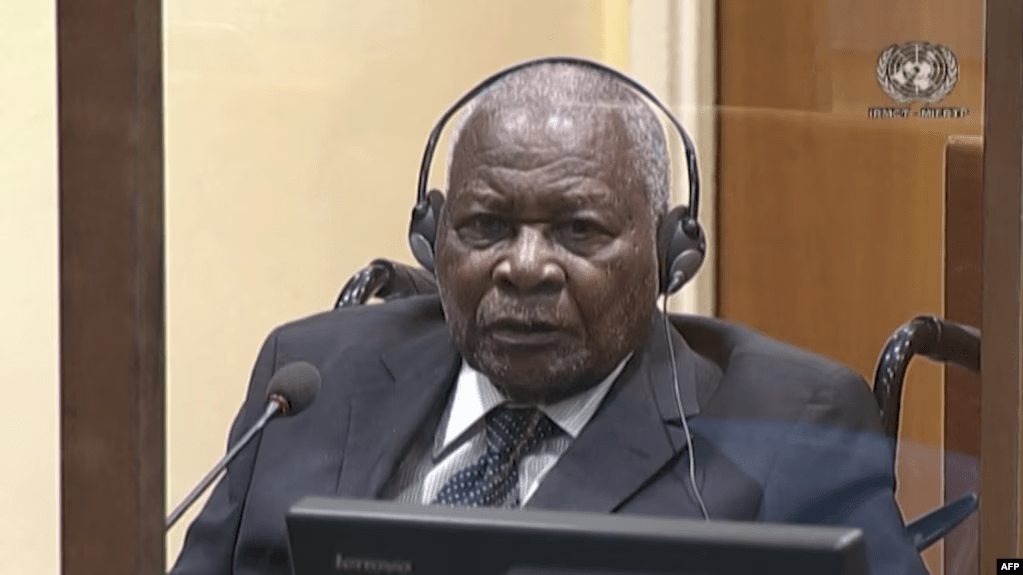
Appeals judges rejected that on Monday, saying the lower court made an “error of law” and ruling. They added that Kabuga, who is 88 according to officials but claims to be 90, should be urgently considered for release.
Captured in Paris 2020 after two decades on the run, wheelchair-bound Kabuga went on trial last September. He however pleaded not guilty.
Prosecutors accuse Kabuga, once one of Rwanda’s richest men, of being the driving force behind Radio-Television Libre des Mille Collines (RTLM), which urged ethnic Hutus to kill Tutsis with machetes.
But judges said in June that medical experts had now found he has “severe dementia.”
The court first put the trial on hold in March over health concerns. The court had earlier dismissed bids by Kabuga’s defense lawyers to have him declared unfit to stand trial.
Groups to ‘cut ties with International criminal tribunal’
Ahishakiye slammed Monday’s outcome. He stated that his group was now considering cutting ties with the International Residual Mechanism for Criminal Tribunals.
“Aligning with a court that continuously shields genocide perpetrators at the expense of justice for survivors has lost its rationale,” Ahishakiye said. “Our continued cooperation with this court therefore is untenable — it serves no purpose,” he added.
Prosecutor Serge Brammertz said he had carefully reviewed the Appeal Chamber’s decision. He added that the Chamber’s “decision must be respected, even if the outcome is dissatisfying.”
“My thoughts are with the victims and survivors of the Genocide,” said Brammertz, recognizing that “this outcome will be distressing and disheartening to them.”
He cited the recent arrest of former police inspector Fulgence Kayishema, accused of a massacre, as evidence the Kabuga ruling “is not the end of the [overall] justice process.”
Defense counsel Emmanuel Altit told reporters that he welcomed the appeal judges’ ruling.