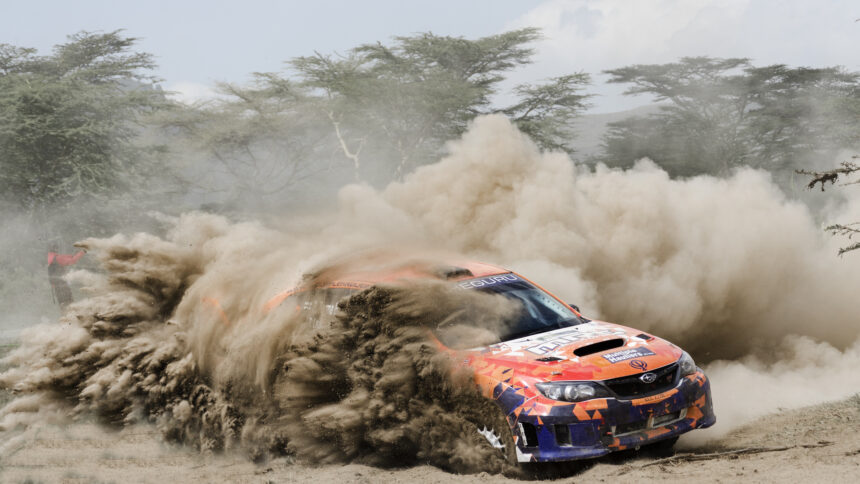
The Safari Rally, once renowned as the toughest motorsport event in the world, holds a special place in Kenya’s sporting heritage. With a history spanning several decades, this iconic rally has captured the imagination of motorsport enthusiasts and created a legacy of legendary drivers who have left an indelible mark on the sport.
The origins of the Safari Rally can be traced back to the early 1950s when British colonial officers organized a motorsport event to explore Kenya’s vast landscapes. Initially, the rally covered long distances across rugged terrains, gravel roads, and challenging wildlife-infested tracks. It soon gained a reputation for being one of the most demanding rallies globally, earning the moniker “The Grand Prix of East Africa.”
As the rally evolved, so did the competition. In 1973, the Safari Rally became part of the prestigious World Rally Championship (WRC), elevating its status and attracting top drivers from around the world. However, it retained its unique character, testing drivers’ skills and endurance in extreme conditions.
Throughout the years, Kenya has produced exceptional rally drivers who have made their mark on the international stage. These legends have pushed the limits, displaying exceptional driving skills, courage, and resilience.
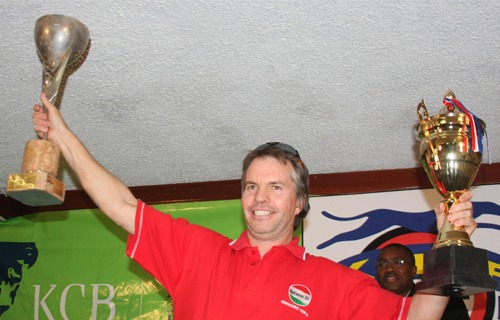
One of the most celebrated Kenyan rally legends is Ian Duncan. Known for his speed and precision, Duncan clinched victory in the Safari Rally twice, in 1994 and 2000. His unparalleled success earned him a special place in the hearts of rally fans, and his name became synonymous with excellence in the sport.
Another iconic figure in Kenya’s rally history is the late Shekhar Mehta, affectionately known as the “Flying Sikh.” Mehta dominated the Safari Rally in the 1970s, securing victory five times between 1973 and 1982. His remarkable driving skills, combined with his charismatic personality, endeared him to fans worldwide. Mehta’s legacy continues to inspire young rally enthusiasts in Kenya and beyond.
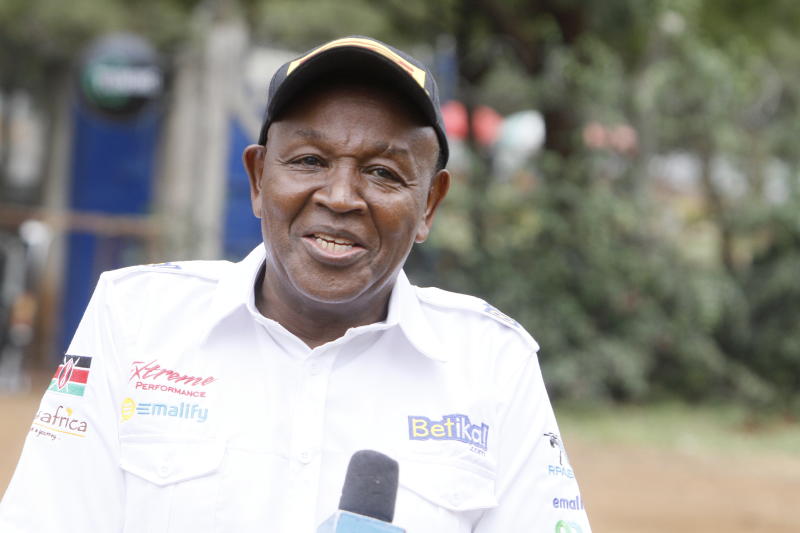
Patrick Njiru, another Kenyan rally icon, made history as the first African driver to secure a podium finish in the Safari Rally. His third-place finish in 1994 marked a significant milestone, showcasing the talent and potential of Kenyan drivers on the international stage.
The Safari Rally has also witnessed remarkable performances from international rally legends. Carlos Sainz, a two-time World Rally Champion, triumphed in the Safari Rally in 1990 and 1992. His victories showcased his exceptional driving skills and cemented his status as one of the greatest rally drivers of all time.
After a nearly two-decade absence from the WRC calendar, the Safari Rally made a triumphant return in 2019 as a candidate event. The successful staging of the rally received widespread acclaim, with drivers and fans relishing the challenging terrain and breathtaking landscapes that define the event.
In 2021, the Safari Rally officially rejoined the WRC calendar, marking a significant milestone for Kenyan motorsport. This highly anticipated event brought together the world’s best rally drivers, who tackled the demanding Kenyan landscapes with great enthusiasm.
The rich history of the Safari Rally and the exceptional performances of Kenya’s rally legends have played a vital role in inspiring a new generation of drivers. Today, young Kenyan talents like Carl “Flash” Tundo and Onkar Rai are making waves in the rallying world, carrying the torch of Kenyan excellence forward.
As the Safari Rally continues to captivate audiences worldwide, it serves as a testament to Kenya’s motorsport heritage and the enduring legacy of its rally legends. Their remarkable achievements and passion for the sport have left an indelible mark on the Safari Rally and continue to inspire future generations of drivers in Kenya and beyond.
Click here to watch video of President William Ruto in a WRC Ford Puma Rally1 car.