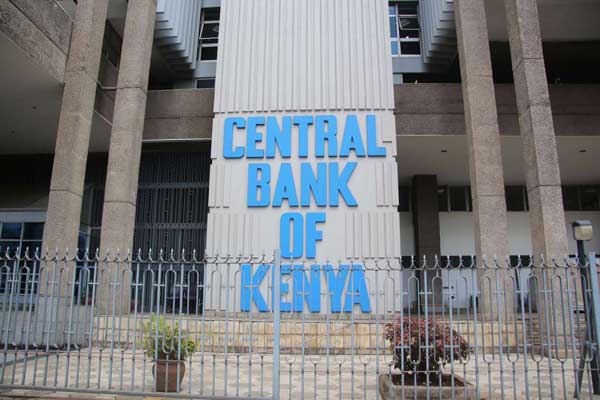
The Central Bank of Kenya has launched a new central bank bond trading platform in Kenya. The new mobile portal will give retail investors unprecedented access to attractive returns through their mobile phones.
The platform, known as CBK DhowCSD, allows investors to open bond trading accounts online. It also allows them to participate in auctions for government securities.
This move comes at a time when government securities are providing higher returns compared to other assets like equities.
The platform is especially beneficial for retail investors, including companies, self-help groups, educational institutions, and individuals, who have been increasingly interested in bond trading due to limited returns in other asset classes.
Over the past three years, retail investors’ holdings of government debt have significantly increased, making them the fastest-growing bonds investor class in Kenya.
Replacement of CBK manual bid submission
The new CBK Dhow CSD replaces the manual submission of bids at the Central Bank of Kenya. Existing account holders and those who have previously bid for securities will have their details transferred to the new system.
The platform aims to enhance market transparency. It will also deepen the market and increase the volume of investments in government debt by retail investors.
Previously, accessing the government securities market was a lengthy and complicated process, often involving physical visits to the regulator’s offices and endorsement by a commercial bank.

With the new platform, Kenyans living abroad can also participate in the securities market. This system will thus tap into the billions of dollars this group remits back home annually for investment purposes.
By improving accessibility and transparency, the Treasury hopes to lower its borrowing costs by attracting a broader pool of funds.
The platform allows investors to trade Treasury bills, which were previously only offloaded through rediscounting. This new avenue for trading in T-bills will unlock liquidity in short-term securities while protecting investors from punitive charges.
Additionally, the platform enables banks to trade with each other by exchanging collateral of their Treasury holdings. This will help smaller lenders get more favorable interbank rates, thus rebalancing the interbank market, which has been dominated by larger banks.
Big banks borrow from each other without collateral, confident in their balance sheets and potential to access additional funds from their shareholders.