Wine tasting is different from drinking purely for pleasure, though it should also be fun. It helps to approach the tasting methodically so you can get as much out of the wine as possible.
Don’t forget that there’s a firm scientific basis for associating certain flavours in wine with non-wine things. For example, the green pepper smell you find in sauvignon blanc is caused by compounds called pyrazines which also occur in, yes you guessed it, green peppers.
Below are some basic tips for you to consider:
- Take notes as you taste and work methodically. If you’re tasting blind, don’t jump to conclusions.
- Keep a file or use an app like CellarTracker to store your notes.
- Tasting blind is a great way to hone your nose. Get a friend to give you wines with the labels covered to see if you can identify them.
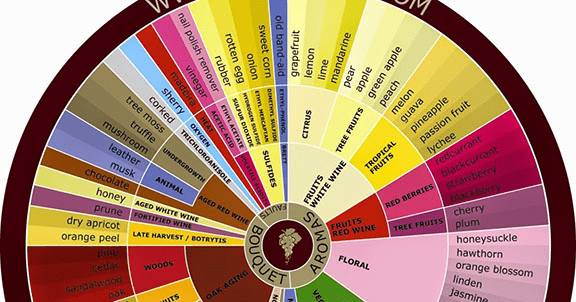
- Consciously smell things like blackcurrant jam and lavender so you can identify them later. Build your flavour vocabulary. It can help to use a flavour wheel to learn how to get more specific.
- Don’t be embarrassed. If you think it smells of cheese, then there’s probably a good reason for that. Learn to trust your instincts.
- If you can’t get anything from the wine, leave it and come back to it. It might be your nasal equipment is tired or the wine might need time to open up.
What do you need for a wine tasting?
- A wine glass – You don’t need to spend a fortune or have different ones for red and white. The most important things are that it should be clean and there should be room to give the wine a swirl.
- White tablecloth or white paper so you can examine the wine.
- Daylight or neutral lighting is best for this.
- You don’t want any strong smells to distract you so avoid cooking smells, perfume etc.
- Your wine should be at the correct temperature (7-10C for white wines and rosé, and 12-18C for reds). Wines that are too cold will taste ‘closed’ and the flavours will be muted, whereas too warm and they will taste jammy and overly alcoholic. Wine pros use something called the 20/20 rule: put your red in the fridge for 20 minutes before serving, and take your white out 20 minutes before.
How to taste wine like a pro
1. Appearance
Pour some wine. Don’t fill the glass – around a finger’s breadth is ideal. Now angle the glass and hold it so that it’s above something white and examine the appearance.
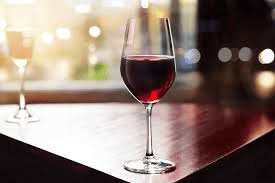
Things to look for:
- Is it red, white or pink?
- How intense is the colour? In red wines this could range from a deep purple to a pale red.
- In white wines, from almost colourless to a deep gold.
- Look at the rim, in red wines it might be faded or even turning orange or brown.
- Does the wine cling to the glass as you move it. These trails are known as legs.
- Clarity, is it bright or slightly murky?
- Are there any bubbles?
What the appearance of a wine can tell you:
- Fading and an orange/brown colour at the rim in a red is a sign of age. In contrast a vivid purple suggests its young.
- In white wines, a deep colour may be a sign that it is old or it might be from oak aging.
- Grape varieties: some grapes like nebbiolo or cinsault produce pale wines whereas others like malbec have a deep colour. The red colour comes from the skins.
- Climate: riper grapes in both red and white will usually have a deeper colour.
- Legs show how thick the wine is, usually a sign of high alcohol and/or residual sugar (ie. sweetness).
- Bubbles in non-sparkling wine, suggest a very young cool climate wine.
2. Smell
Give the wine a swirl. This mixes the wine with oxygen and opens it up, releasing the smell.
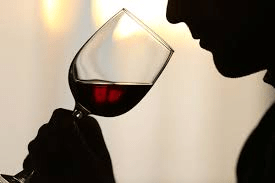
Put your nose in, and breathe in gently. It helps to do this with an open mouth to open up your olfactory system. Don’t breathe in hard as you can numb your taste buds.
Things to look out for:
- Fruit, are you getting fruity smells? If so what kind of fruit? It often helps to break this down into dark fruits, citrus fruits, orchard fruits, stone fruits, tropical fruits, etc, and then get more specific from there. Start broad and move in. Are the fruits fresh or cooked, jammy or candy-like?
- Flowers such as elderflower, honeysuckle, or violets.
- Spices like cloves, cinnamon, vanilla and nutmeg can often be found in wines.
- Toasty/nutty notes like brioche, walnuts, coconut, and coffee.
- Other things: cooked meats, game, vegetables, petrol, tobacco, waxy or stoney flavours.
- Are there any off smells such as vinegar, or mould?
What the smell can tell you:
- Grape varieties: some have very distinctive smells like sauvignon blanc with its green pepper tang, cabernet with blackcurrants or gewürztraminer with its lychee scent.
- Climate: very rich or jammy fruit suggests a warm climate.
- Specific regions: certain wines have a distinct stoney note like Chablis or Loire reds whereas wines from the Medoc in Bordeaux smell earthy.
- How the wine was made: buttery and yeasty smells come from fermentation and can be a sign that the dead yeast cells have been stirred while the wine matures, something particularly common with Chardonnay.
- How old the wine is: older reds can develop flavours like tobacco or baking spices. Fruit often becomes stewed rather than smelling fresh. Older whites often start to smell toasty as if they have been aged in oak.
- Whether the wine has been aged in oak: cloves, vanilla and coconut and nutty notes are all signs of oak ageing.
- Finally, you can detect any problems with the wine from the smell. For example, it might be corked – meaning the cork is infected with a fungus known as TCA which has damaged the wine, in which case it will smell of damp basements or mould.
3. Taste
Take a small sip, not a big gulp, and hold it in your mouth, swirl it around and breathe in a little. This oxygenates the wine and opens it up, rather like swirling.
Tasting is an extension of smelling. Most of the flavours you get when you taste wine come through your nose as it’s connected to the back of your mouth. The technical term for this is retronasal olfaction. Plus you are also getting your five tastes: bitter, sweet, salt, acid and umami (savouriness), and the physical feel from tannins, alcohol etc. of having the wine in your mouth.
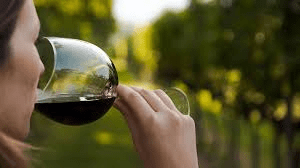
So, you are looking for many of the things you are looking for when you smell such as fruit and spices.
Things to look for:
- Body, how thick does it feel in the mouth? Is it full or closer to water?
- Sweetness, can you feel sweetness on your tongue? How sweet is it?
- Are there tannins, that drying sensation you also get in strong tea, and if so how strong are they? Do they taste ripe or is there a greenness there?
- Is there a bitter note?
- Look for acidity, and how fresh is the wine. Does it make your mouth water? Or is it smooth?
- Warmth, does the wine warm the mouth on the mouth after you have finished?
- And finally the finish, how long can you taste the wine after you have swallowed or spat it out?
What the taste can tell you
- Full-bodied wines tend to come from warmer climates, a syrah/shiraz from South Australia is going to feel bigger than one from the Northern Rhone. That body can come from oak ageing, alcohol or sweetness.
- Tannins come from grape skins, seeds and stalks, and can tell you a lot. Certain grapes like Nebbiolo from Northern Italy has very strong tannins, in contrast to Gamay from Beaujolais which has light tannins. Or if they are melty, it might be a sign that the wine is mature. Astringent tannins are usually a sign of underripe grapes or careless handling in the winery. Tannins also come from oak barrels and tend to be smoother
- Sweetness might be a sign the wine is made from late harvest, grapes affected by noble rot, or is fortified (with brandy added, like with port).
- Certain grapes particularly Italian reds like Negromaro and Sangiovese have a distinct bitter note.
- Acidity can be a marker of grape variety, riesling for example is a very high acid variety, but also cooler climate wines tend to be higher in acidity.
- Warmth at the end is a sign of high alcohol usually meaning a warm climate. Also, some varieties like Grenache and Zinfandel produce wines with naturally high levels of alcohol. Or the wine might be fortified.
- And finally, the finish, a long finish is usually a sign that the grapes were picked full of flavour suggesting a high-quality wine.
4. Putting it all together
Before you ask yourself, do I like this wine, ask the following questions:
- Did it taste balanced? I.e. were all the different elements such as fruit, acidity, and tannin in harmony. An unbalanced wine, for example, might lack acidity and taste flabby.
- Intensity, how strong were the flavours?
- Complexity, how many different flavours were there? Did it just taste of one simple fruit or did I find myself scribbling away?
- Length, how long did they go on for?
- Personal preference, did I enjoy this wine?
That’s it! You can now taste like a pro. It might all seem a lot to take in but after a few goes much of this will become second nature. Just keep practising and don’t forget, it’s meant to be fun.