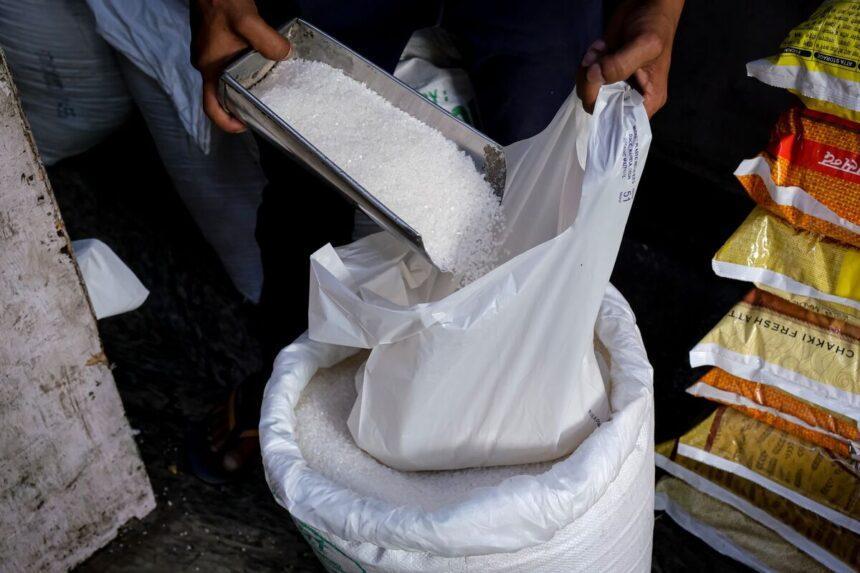
The history of Kenya’s sugar industry intertwines with its colonial past, a legacy carried forward by Indian nationals who laid the foundation for sugarcane cultivation during the construction of the railway.
This journey, spanning over a century, reveals both nostalgic eras of prosperity and the modern challenges faced by the sector.
Colonial Beginnings and Indigenous Practices
The initial cultivation of sugarcane in western Kenya can be attributed to Indian immigrants who worked on the railway. However, before the commercialization of sugar, indigenous varieties of sugarcane were reportedly consumed and even utilized for brewing alcohol. The colonial era restricted African involvement in sugarcane cultivation, a prohibition that persisted until after independence.
The Nostalgic Era of Sweet Earnings
The 1960s marked the rise of sugarcane growing regions known as “sugarbelts,” with Nyanza and Western Kenya at the forefront. The 1970s and 1980s were considered a honeymoon period for the industry, with sugarcane cultivation and production at their peak. Families in these regions centered their livelihoods around this profitable endeavor, enjoying stable incomes that facilitated predictable planning.
Shifts in Sugar Commercialization
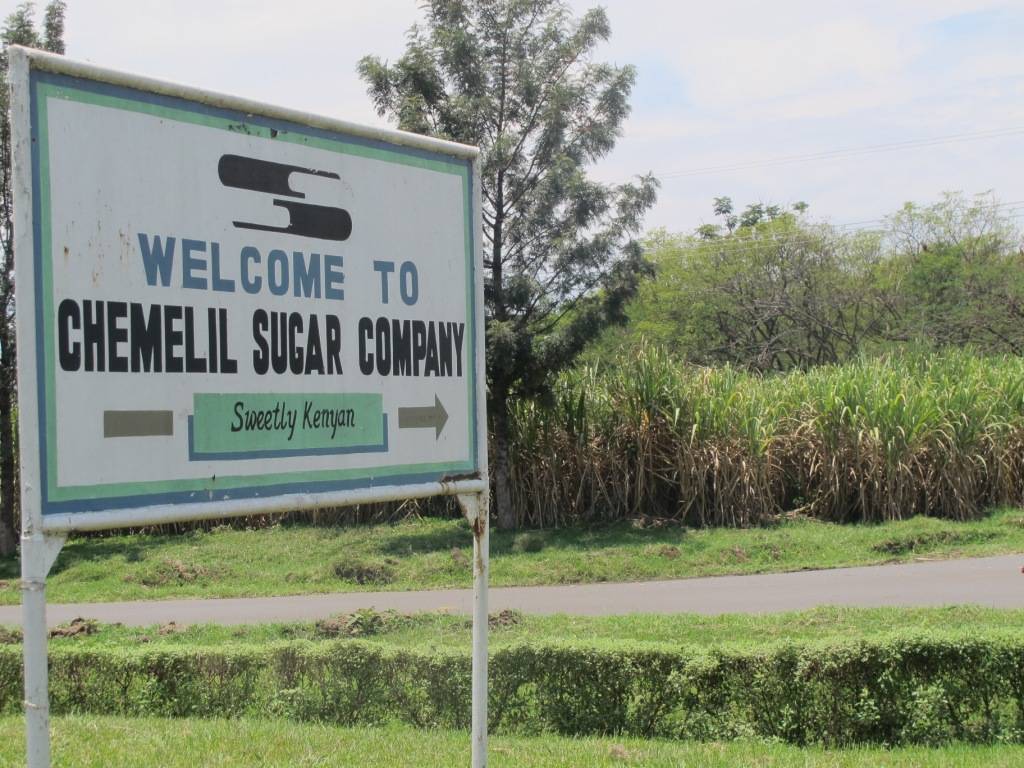
Kenya’s first sugarcane factory emerged in Miwani in 1922, followed by several others. Nevertheless, the 1990s brought globalization and new challenges. Eastern Africa introduced faster-growing sugarcane strains, while mechanization revealed the benefits of larger farms. State-owned sugar factories, like Miwani, Ramisi, Chemelil, SONY, Muhoroni, Nzoia, and Mumias, faced decline. Private investors stepped in, but a yearly sugar deficit of around 200,000 tons persisted.
Economic Significance and Struggles
The sugar industry contributes approximately 15% to Kenya’s agricultural GDP. Over 250,000 smallholder farmers are involved, providing over 92% of sugarcane processed, supporting a quarter of the population directly or indirectly. Despite nearly a century of local production, Kenya remains a net sugar importer due to production limitations.
President Ruto’s Intervention

Recently, President William Ruto intervened in the saga of Mumias Sugar Company, demanding conflicting investors cease their feud. Reclusive billionaire businessman Jaswant Rai and his conglomerate, the Rai Group, hold substantial control in Kenya’s sugar industry, producing about half of the nation’s sugar consumption.
Challenges and Hopes
Kenya’s sugar industry faces significant challenges, including competition, outdated practices, and governance issues. President Ruto’s assertive approach has sparked debate, as critics question his stance’s legality and long-term consequences.
The future remains uncertain, with farmers and workers deeply impacted by the industry’s downturn. The question arises: Will President Ruto’s approach restore stability to public sugar mills, or does it require nuanced negotiations to overcome the challenges posed by these so-called “cartels” and return the industry to profitability?