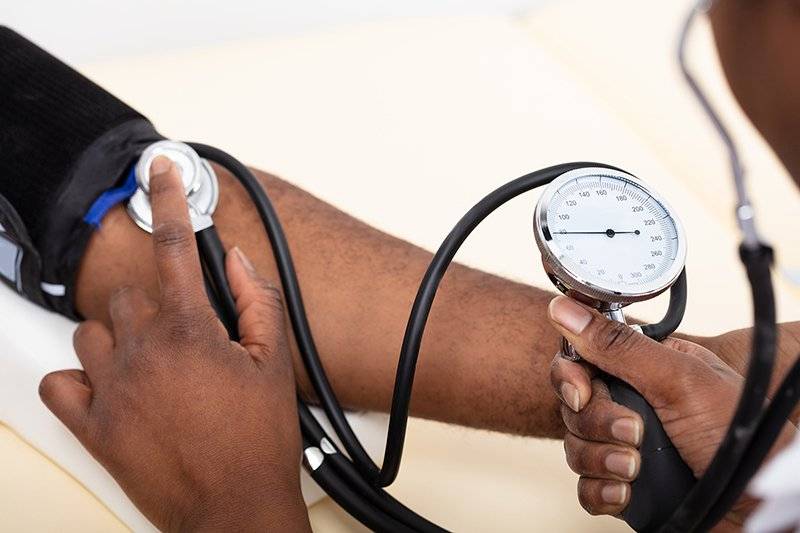
Hypertension, commonly known as high blood pressure, is a non-communicable ailment characterized by prolonged elevation in the pressure of blood coursing through arteries.
A substantial 75% of global cases emanate from adults in low- and middle-income countries.
Although manageable through consistent monitoring, lifestyle modifications, and treatment, untreated high blood pressure—termed uncontrolled hypertension—can lead to organ damage, affecting vital organs such as the heart, brain, and kidneys.
This, in turn, escalates the risk of severe health issues like heart attacks and strokes.
Globally, uncontrolled hypertension stands as a significant contributor to mortality.
In Kenya, the 2014-2015 national survey on non-communicable diseases revealed the substantial impact of high blood pressure on the nation’s health burden.
Approximately one out of four individuals in the country experiences high blood pressure.
The prevalence of hypertension in Kenya (24.5%) is slightly lower than in neighboring nations such as Tanzania (26%) and Uganda (26.4%).
Research indicates that urban slum residents face a 35% higher likelihood of being hypertensive compared to their rural counterparts.
Notably, Nairobi, Kenya’s capital, harbors around 60% of its population in slums or similar conditions. Previous studies within these urban slums have shown alarming rates of uncontrolled hypertension.
In a recent study, Shukri F. Mohamed and her colleagues aimed to understand the multitude of factors placing these individuals at risk of uncontrolled hypertension, or conversely, safeguarding them from it.
Their findings illuminated that the low socio-economic status of slum dwellers, coupled with exorbitant medication costs, significantly hampered treatment accessibility. Shortcomings in healthcare prevail in urban areas
Nairobi’s slum inhabitants contend with suboptimal access to essential services, leaving informal settlements susceptible to emergencies such as disease outbreaks and natural disasters.
While effective hypertension treatments are available, disparities in care persist within Kenyan urban regions, particularly within the most economically disadvantaged communities.
Their research sought to uncover the obstacles to blood pressure control across diverse levels: individual, family, community, health system, and policy.
Shukri F. Mohamed and her team accumulated data through interviews and focus groups conducted in two Nairobi slums: Korogocho and Viwandani. Interviews targeted those grappling with uncontrolled hypertension, in a bid to glean insights into their experiences and perceptions concerning their care.
Healthcare providers were also interviewed to ascertain details about their prescription practices, adherence to national guidelines, and understanding of hypertension.
Decision-makers and policymakers were not left out; their perspectives on the challenges encountered by the study community in securing hypertension care were sought.
The research pinpointed barriers to blood pressure control spanning all the examined levels. Predominant stumbling blocks included the prohibitive costs of hypertension medications, persistently inadequate availability of medicines at healthcare facilities, and an unsupportive familial and environmental context.
Notably, access to medication emerged as a significant impediment to blood pressure control.
Countries like Eritrea and South Africa provide free hypertension medicines at the community level. However, in Kenya, this privilege is restricted to higher-level health institutions, whereas slum inhabitants primarily access lower-tier facilities, which are not mandated to dispense hypertension medications.
So, what avenues can be pursued to address this challenge?
A feasible approach involves implementing programs armed with interventions capable of addressing the intricate interplay of factors that influence hypertension care.
For example, offering free or subsidized medications could dismantle barriers obstructing patients’ access to hypertension treatment. Equally critical is the enforcement of policies and directives aimed at delivering impartial care to all, including those from slum communities seeking assistance at lower-tier healthcare establishments.