Halloween, also known as Hallowe’en, All Hallows’ Eve, or All Saints’ Eve, is a time when the world embraces the eerie and the supernatural. In this article, we’ll delve into the origins, traditions, and the spine-tingling fun associated with this unique celebration. From its Celtic roots to the modern-day festivities, Halloween has a captivating history.
The Origins of Halloween
Celtic Influence on Halloween
Halloween’s roots trace back to the Celtic harvest festivals, particularly Samhain. This Gaelic festival had pagan origins and marked the end of the harvest season. It was believed that on Samhain, the boundary between the living and the dead blurred, allowing spirits to roam the Earth freely.
Christianization of Halloween
Some theories propose that Samhain was Christianized as All Hallow’s Day and its eve, All Hallows’ Eve. The early Church may have integrated Celtic traditions into Christian practices, bridging the gap between the old and the new.
The Vigil of All Hallow’s Day
Another viewpoint suggests that Halloween began as the vigil of All Hallow’s Day, a Christian holiday that honors saints, martyrs, and all the faithful departed. Celebrated for centuries in Ireland and Scotland, it eventually found its way to North America through Irish and Scottish immigrants.
Modern-Day Halloween Traditions
Trick-or-Treating and Guising
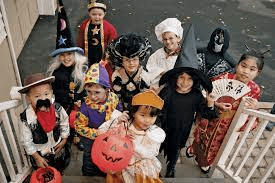
One of the most iconic Halloween activities is trick-or-treating, where children dress in costumes and visit neighbors for treats. Guising, a similar tradition, involves dressing up and performing a small “trick” or a song in exchange for goodies.
Halloween Costume Parties
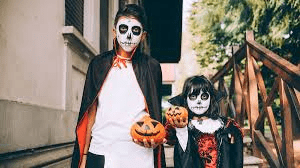
Halloween costume parties are a thrilling way for people of all ages to showcase their creativity and immerse themselves in the holiday’s spirit.
Jack-o’-Lanterns
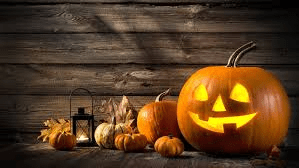
Carving pumpkins or turnips into jack-o’-lanterns has become a beloved Halloween tradition. These eerie faces illuminated by candles are a quintessential part of the holiday.
Bonfires and Divination Games
Lighting bonfires and playing divination games are practices steeped in Halloween’s history, harking back to the Celtic belief in communicating with the otherworld.
Visiting Haunted Attractions
For those seeking a scare, visiting haunted attractions is a must. Haunted houses, mazes, and hayrides offer spine-tingling adventures.
Telling Scary Stories and Watching Horror Films
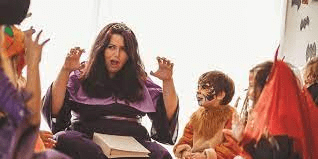
Halloween is the perfect time for sharing spine-chilling tales and watching horror movies. It’s a time to revel in the thrill of the macabre.
Religious Observances
While Halloween has largely become a secular celebration, some still attend church services and light candles on the graves of the departed. Traditionally, some Christians abstained from meat on All Hallows’ Eve, leading to the consumption of vegetarian foods like apples, potato pancakes, and soul cakes.
FAQs
Q: What is the significance of carving pumpkins on Halloween?
A: Carving pumpkins into jack-o’-lanterns is a tradition with Celtic roots. It was believed to ward off evil spirits on Halloween.
Q: Is Halloween purely a secular celebration?
A: While Halloween has evolved into a secular celebration for many, it does have Christian origins. Some people still observe religious practices on this day.
Q: How did Halloween traditions spread to North America?
A: Irish and Scottish immigrants in the 19th century brought many Halloween customs to North America, where they were further influenced by American culture.
Q: What are divination games in the context of Halloween?
A: Divination games are activities that attempt to predict the future or communicate with the spirit world, reflecting the holiday’s supernatural themes.
Q: Why do people tell scary stories on Halloween?
A: Telling scary stories is a way to embrace the macabre and enjoy the thrill of the holiday. It adds to the spooky atmosphere.
Q: What is the origin of trick-or-treating?
A: Trick-or-treating has Celtic and medieval European roots. It evolved from the practice of going door-to-door for food in exchange for songs or entertainment.
Conclusion
Halloween, with its rich history and unique traditions, remains a beloved celebration of the macabre and supernatural. From its Celtic origins to its modern-day festivities, it has captured the imagination of people worldwide. As we embrace the spookiness of Halloween, let’s remember the diverse cultural influences and traditions that have shaped this holiday into what it is today.