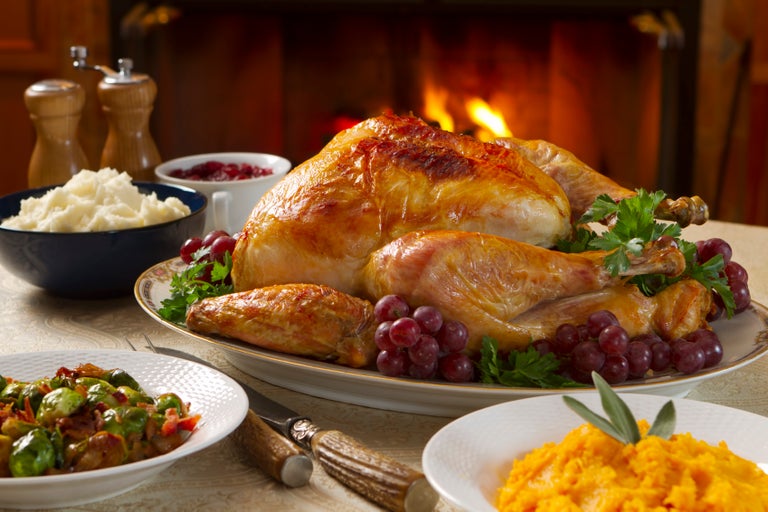
Thanksgiving is a national holiday celebrated primarily in the United States on the fourth Thursday of November every year. It is a time for expressing gratitude for the blessings of the harvest and the preceding year. The holiday has deep historical roots, often traced back to the early 17th century when the Pilgrims and the Wampanoag Native Americans came together for a harvest feast in Plymouth, Massachusetts, in 1621.
Key Features of Thanksgiving:
- Gratitude and Thanks: Thanksgiving is centered around the theme of gratitude. It’s a time for individuals and families to reflect on the positive aspects of their lives and express thanks for the blessings, relationships, and opportunities they have.
- Feasting and Traditions: A traditional Thanksgiving celebration involves a festive meal with family and friends. The centerpiece of the meal is often a roasted turkey, accompanied by an array of side dishes such as stuffing, cranberry sauce, mashed potatoes, and pumpkin pie. Families often have their own unique traditions, which may include watching parades or football games.
- Family Gatherings: Thanksgiving is considered a time for family reunions. Many people travel long distances to be with their loved ones during the holiday. It’s a time to share stories, reconnect, and strengthen familial bonds.
- Volunteerism and Giving Back: Some people choose to spend Thanksgiving volunteering at local charities, shelters, or community events. This spirit of giving back is a way to share the abundance of the holiday season with those who may be less fortunate.
- Parades and Festivities: Various cities across the United States host Thanksgiving Day parades, with the Macy’s Thanksgiving Day Parade in New York City being one of the most famous. These parades often feature giant balloons, floats, marching bands, and performances.
- Black Friday: Following Thanksgiving is “Black Friday,” a day known for widespread retail sales and shopping. Many people view this day as the official start of the holiday shopping season.
Historical Significance:
While the modern celebration of Thanksgiving is not an exact reenactment of the historical events of 1621, it draws inspiration from the Pilgrims’ harvest feast and the idea of coming together in unity and gratitude.
History of Thanksgiving
The history of Thanksgiving in the United States dates back to the early 17th century, and its origins are often associated with the Pilgrims and the Wampanoag Native Americans. The story of the first Thanksgiving is a blend of historical fact and cultural mythology.
The Pilgrims and the Mayflower (1620):
In 1620, a group of English Separatists, known as the Pilgrims, seeking religious freedom from the Church of England, embarked on a perilous journey across the Atlantic Ocean aboard the Mayflower. After a challenging voyage, they arrived at what is now Plymouth, Massachusetts, in December.
The First Harsh Winter:
The Pilgrims faced a harsh winter, with many of them succumbing to illness and malnutrition. The Wampanoag people, led by Chief Massasoit, played a crucial role in the survival of the Pilgrims. Squanto, a Wampanoag who spoke English, helped the Pilgrims cultivate native crops, such as corn, and navigate the unfamiliar terrain.
The Harvest Feast (1621):
Following a successful harvest in the fall of 1621, the Pilgrims and the Wampanoag came together for a three-day feast to express gratitude for the bountiful harvest and the cooperation that had helped them endure the challenges of the past year. This event is often cited as the first Thanksgiving.
Thanksgiving Becomes an Occasional Tradition:
While the harvest feast of 1621 was a significant event, Thanksgiving did not become an annual tradition at that time. Days of thanksgiving were occasionally declared by individual colonies or states, but these were often religious in nature and not necessarily associated with the Pilgrims.
Sarah Josepha Hale and the National Thanksgiving Proclamation:
In the mid-19th century, Sarah Josepha Hale, a prominent writer and editor, began advocating for a national day of giving thanks. She wrote editorials and letters to political leaders, including President Abraham Lincoln. In 1863, President Lincoln heeded her call and proclaimed Thanksgiving a national holiday, setting the date as the final Thursday in November.
Modern Thanksgiving:
In 1941, President Franklin D. Roosevelt officially established Thanksgiving as the fourth Thursday in November, where it remains today. Over the years, Thanksgiving has evolved into a widely celebrated holiday, characterized by family gatherings, feasts, expressions of gratitude, and traditions that vary across regions and households.
Thanksgiving Traditions
- Feast of Plenty: The Thanksgiving feast is the centerpiece of the celebration, featuring a cornucopia of dishes from succulent turkey and stuffing to cranberry sauce and pumpkin pie. Families gather around the table, sharing not only delicious food but also the warmth of each other’s company.
- Gratitude Rituals: Expressing gratitude is at the heart of Thanksgiving. Take a moment to go around the table and share what you’re thankful for. This simple yet powerful tradition can deepen the bonds with family and friends and foster a sense of appreciation for the positive aspects of life.
- Giving Back: Many families choose to volunteer at local charities or participate in food drives during the Thanksgiving season. This philanthropic tradition emphasizes the importance of giving back to the community and supporting those in need.
- Football Frenzy: Thanksgiving and football have become synonymous for many families. Whether it’s watching a game on TV or playing a friendly match in the backyard, sports add an extra layer of enjoyment to the day’s festivities.
Making the Most of Thanksgiving
- Create Personalized Traditions: While classic traditions are cherished, consider incorporating new and personalized rituals that reflect your family’s unique values and interests. Whether it’s a themed costume contest, a family talent show, or a gratitude jar, the possibilities are endless.
- Embrace Mindfulness: In the hustle and bustle of the holiday season, it’s easy to overlook the essence of Thanksgiving. Practice mindfulness by savoring each moment, from the aroma of the cooking turkey to the laughter of loved ones. Create an atmosphere of presence and appreciation.
- Healthy Twists on Traditional Recipes: Celebrating doesn’t have to be synonymous with overindulgence. Explore healthier versions of classic recipes, incorporating fresh, seasonal ingredients and mindful cooking techniques. Your taste buds and waistline will thank you.