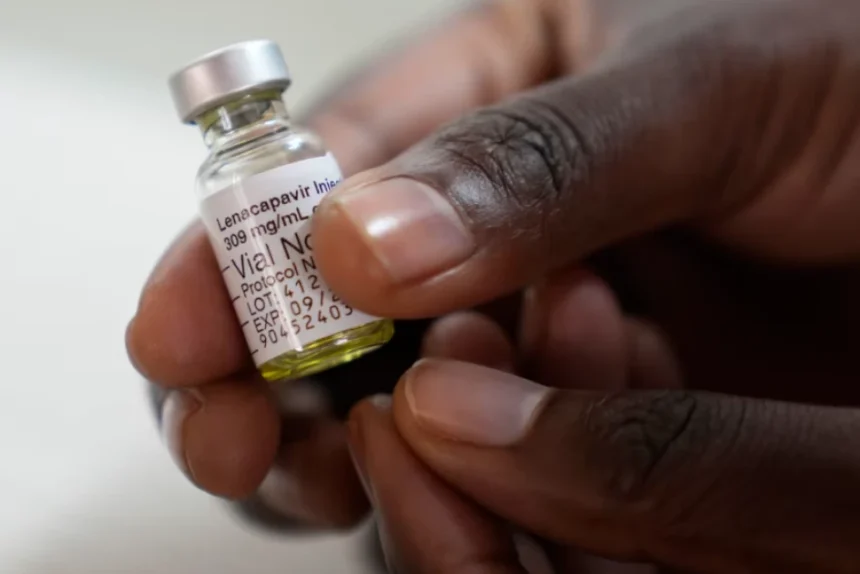
Nairobi, July 18, 2025 : Kenya is set to introduce lenacapavir, a long-acting HIV prevention injection, by January 2026. This comes after the World Health Organization (WHO) endorsed it in updated guidelines released in July 2025. The drug had earlier received approval from the U.S. Food and Drug Administration (FDA) in June.
Kenya is one of nine African countries chosen for the early rollout of this twice-yearly injectable PrEP option, which experts believe could dramatically reduce new HIV infections.
What is Lenacapavir?
Lenacapavir is a long-acting pre-exposure prophylaxis (PrEP) injection taken every six months. It provides an alternative to daily pills, offering convenience and privacy. This can help overcome stigma and adherence issues, especially among young people and vulnerable groups.
The drug works by blocking HIV from entering and replicating in healthy cells. Unlike daily medication, lenacapavir provides continuous protection without requiring daily reminders.
Read more: Understanding HIV prevention tools
Why the Urgency?
According to the Kenya Health Information System, PrEP initiation dropped by 49% from January–March 2024 (55,876 users) to the same period in 2025 (28,648 users). During the same period, HIV testing declined by 38%, and the positivity rate rose from 1.2% to 2.2%.
“The numbers show we’re off track. We must act urgently to reverse this trend,” said Patriciah Jeckonia, Policy Lead at LVCT Health, speaking at a health café organized by Mesha.
Kenya currently has a 3.7% HIV prevalence. Out of 1.4 million people living with HIV, 41% of new infections are among those under 24 years old.
Read more: Trump aid cuts deal a blow to HIV prevention in Africa
A New Era in Prevention
Jeckonia highlighted that lenacapavir could be a game-changer. The injection provides six months of continuous protection, which reduces the need for frequent clinic visits and helps those struggling with daily medication.
However, she also raised concern over donor funding cuts, warning that these could undermine Kenya’s progress.
“The government must increase domestic funding. We also need the private sector to step up and support HIV prevention,” she said.
Mental Health and HIV: The Overlooked Link
Jeckonia added that mental well-being is closely tied to HIV care. People with poor mental health are more likely to miss appointments or skip medication.
“We can’t ignore mental health. We must ensure support systems are in place so people stay in care and remain protected,” she emphasized.
What the Government Is Doing
Health Cabinet Secretary Aden Duale confirmed that Kenya will roll out lenacapavir by January 2026. The Ministry of Health, through NASCOP and its partners, has already developed an implementation plan.
“We are committed to equitable access and community involvement. Lenacapavir will be integrated into national HIV policies,” said Duale in a press release.
A 2024 report by the Ministry of Health shows 97% of Kenyans living with HIV are on treatment. However, Jeckonia warned that new infections remain high, especially among adolescent girls and young women.