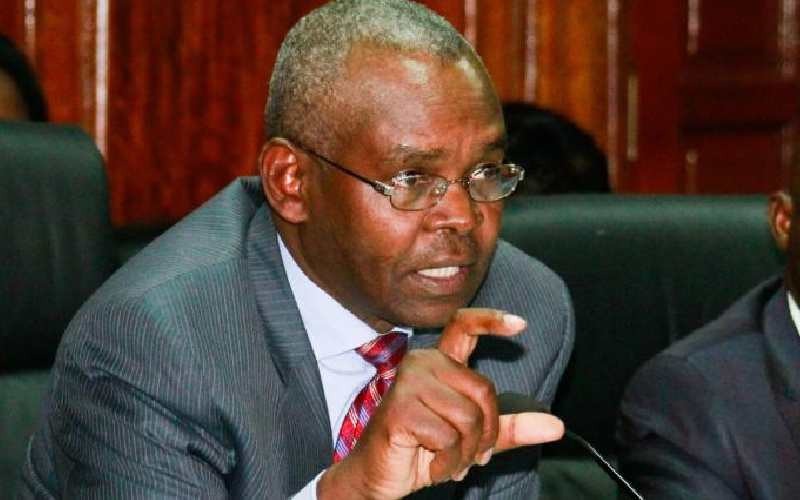
During a press briefing for the bi-monthly monetary policy meeting, Dr. Thugge explained that the National Treasury has implemented measures to counterbalance the increased taxes on fuel, housing, and NHIF (National Hospital Insurance Fund) by reducing taxes on railway levies and imports.
According to Dr. Thugge, the reduction in railway levy and import declaration levy, which collectively account for less than 3% of the taxes, will offset the new taxes imposed on housing (1.5% of gross pay), the 100% increase in VAT on fuel (from 8% to 16%), and the increase in NHIF contributions to 2.75%.
“We have considered all the factors, and regarding VAT on fuel and other taxes, the National Treasury has provided incentives such as the reduction in railway levy and import declaration levy,” stated Dr. Thugge.
He also defended the Central Bank’s decision to raise the base lending rate by 100 basis points, increasing it from 9.5% to 10.5%. Dr. Thugge explained that new information emerged within the past month suggesting an increase in inflation, which led the policy committee to make the adjustment.
“It looked like inflation was not going to go up in the last monetary policy meeting but in the last one month, this has changed hence the move by the policy committee to adjust this,” said the CBK Governor.
Regarding the issuance of a dollar-denominated bond, Dr. Thugge mentioned that he would consult with the National Treasury to develop a roadmap. This bond issuance aims to alleviate pressure on the Kenyan shilling, as Dr. Thugge’s predecessor, Dr. Patrick Njoroge, had previously warned that a shift towards a dollar-dominated market could further weaken the position of the shilling.
The briefing comes after an uproar by Kenyans after President William Ruto signed into law the Finance Bill 2023. The highly debated piece of legislation that recently passed through the National Assembly comes into effect in July 2023, with other segments staggered through to 2024.