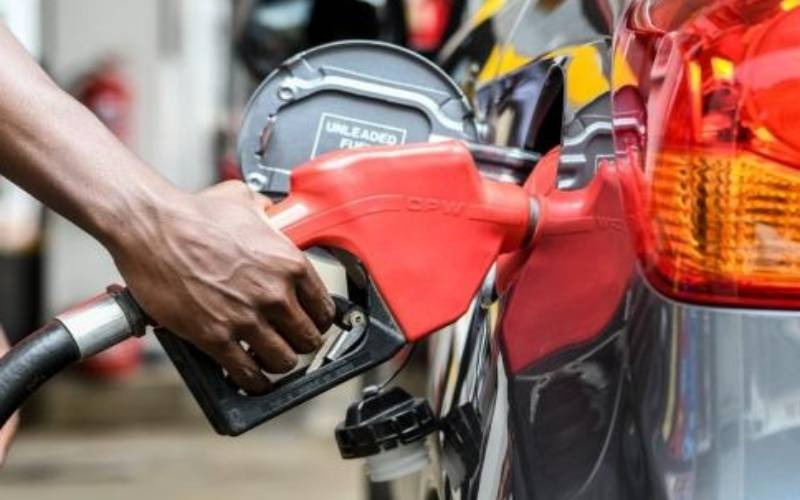
The state has significantly trippled the petroleum regulatory levy on every litre of fuel purchased, tripling it from Sh0.25 to Sh0.75 per litre, in what will no doubt affect the end user.
This adjustment, effective February 15, 2024, was disclosed through the recently published Energy (Energy and Petroleum Regulatory Authority Petroleum Levy) Regulations, 2024, aiming to support the operations of the Energy and Petroleum Regulatory Authority (EPRA).
Energy Cabinet Secretary Davis Chirchir highlighted the necessity of this amendment, affirming, “These regulations shall… come into operation on February 15, 2024,” while simultaneously revoking the Energy Act (Petroleum Regulation Levy) Order, 2018.
Despite the overall fuel prices seeing a reduction of Sh1 per litre, the surge in the Petroleum Regulatory Levy may counteract any relief for consumers. Remarkably, this move, albeit substantial, went somewhat unnoticed amidst the price adjustments.
This marks the first review of the levy in six years, with the last revision occurring in June 2018 under the tenure of then-Petroleum Cabinet Secretary John Munyes. EPRA’s latest financial data reveals that the petroleum levy constitutes a significant 80.7 per cent of its total revenue, contributing Sh1.21 billion out of Sh1.51 billion in revenue during the year to June 2021.
With Kenyans consuming 4.649 billion litres of fuel in 2023, the heightened levy will undoubtedly translate to increased costs at the pump for consumers.
Meanwhile, the Kenya Roads Board (KRB) has proposed further hikes by suggesting raising the Road Maintenance Fuel Levy (RMFL) by Sh5 per litre. This recommendation stems from the rising costs associated with maintaining roads, influenced by expensive fuel prices and escalating costs of road construction materials.
KRB’s latest strategic plan underscores the significant increase in periodic maintenance costs per kilometre by the Kenya National Highways Authority (KeNHA), attributing it to the uptake of roads with failed payments and the surge in the price of construction materials, primarily due to fuel price hikes.
In the preceding five years (2018–2022), KRB has disbursed Sh309.74 billion on road maintenance, rehabilitation, and development programmes, excluding the Road Annuity Fund. Various entities have received these funds, with KeNHA, KeRRA, KURA, KWS, and county governments among the beneficiaries.