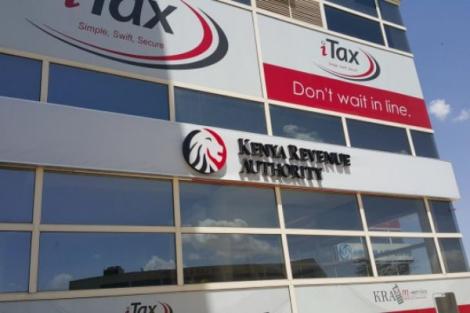
The Kenya Revenue Authority (KRA) has seized illicit goods worth Sh897.24 million in the current financial year. This significant accomplishment stems from 976 interventions carried out by KRA agents to combat illicit trade during the FY2023/24 period.
Appearing before the Senate Standing Committee on Trade, Industrialization, and Tourism, KRA Commissioner General Humphrey Wattanga emphasized the agency’s commitment to cracking down on illicit trade, particularly targeting the production and sale of illicit liquor. This illicit trade not only poses risks to public health but also results in substantial revenue losses for the government.
To bolster enforcement efforts, KRA has deployed officers to all excisable goods manufacturing plants across the country, with a focus on ensuring compliance with the law. These officers, referred to as resident staff, are stationed at factories producing excise tax-covered goods such as beer, wines, spirits, cigarettes, mineral water, soft drinks, and juices, as stipulated by Excise Duty regulations.
The resident staff are tasked with implementing compliance measures, providing service support, and enforcing initiatives to ensure accurate payment and filing of excise taxes by manufacturers. Additionally, KRA has enhanced monitoring through the installation of CCTV cameras within factories, integrated with the KRA system to bolster security measures.
In response to a petition regarding tax compliance enforcement at manufacturers like East African Breweries Limited (EABL), KRA assured the committee that there have been no variations in manufacturing ingredients with tax implications dating back five years. It was noted that Kenya Breweries Limited, a subsidiary of EABL, contributed over 60% of domestic excise collections in FY 2021/22 and 2022/23.
Furthermore, KRA highlighted its collaborative efforts with other government agencies within a multi-agency framework to promote legitimate trade and combat harmful products such as illicit alcohol. These efforts include various operations, border patrols, surveillance, and cargo monitoring to safeguard society against illicit activities and protect public health.