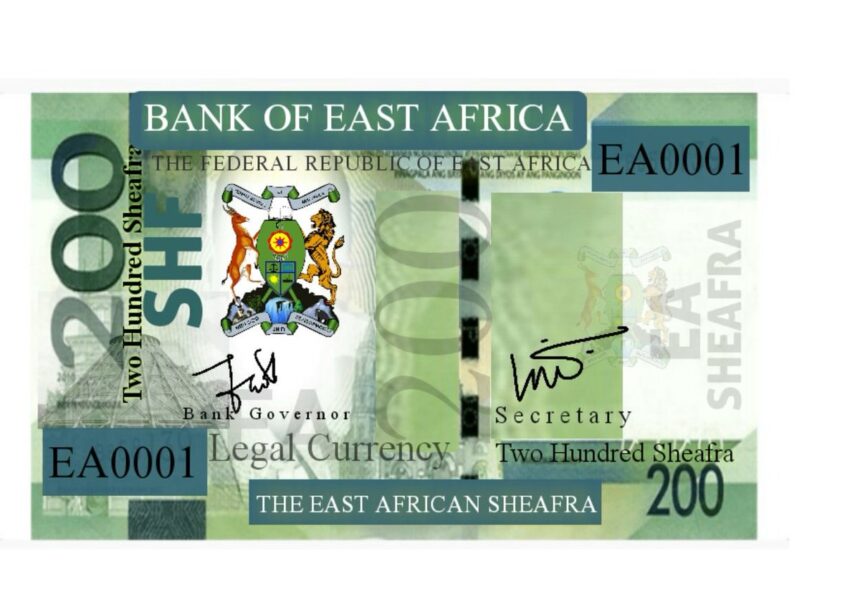
The East African Community governments, on Sunday, February 3, made a historic milestone announcement, heralding a new era of economic integration within the East African Community (EAC). The landmark move saw the countries officially unveil a common currency, the East African Sheafra (SHF).
During the unveiling of the SHEAFRA, the leadership of the EAC explained that a common currency was aimed at fostering cohesion and economic growth among the member states.
The East African Community (EAC) is a regional intergovernmental organization made up of seven (7) Partner States. These comprise of Burundi, the Democratic Republic of Congo, Kenya, Rwanda, South Sudan, Tanzania, and Uganda.
The Federal Republic of Somalia is in the process of becoming a full member of the Community after its admission into the EAC bloc on 24th November 2023.
The headquarters of the EAC is in Arusha, Tanzania.

History Behind the SHEAFRA
The formation of the common currency stems from the EAC’s longstanding pursuit of closer economic ties.
Over time, the members of the East African Community (EAC) have faced significant challenges in trading as a bloc due to the diversity of currencies among member states. Currently, each country within the EAC utilizes its own currency.
For instance, Kenya uses the Kenyan Shilling (KES), Uganda uses the Ugandan Shilling (UGX), Tanzania has the Tanzanian Shilling (TZS), and Rwanda operates with the Rwandan Franc (RWF).
On the other hand, Burundi utilizes the Burundian Franc (BIF), South Sudan uses the South Sudanese Pound (SSP), and the Democratic Republic of Congo uses the Congolese Franc.
Somalia which is in the process of joining the EAC uses the Somali shilling.
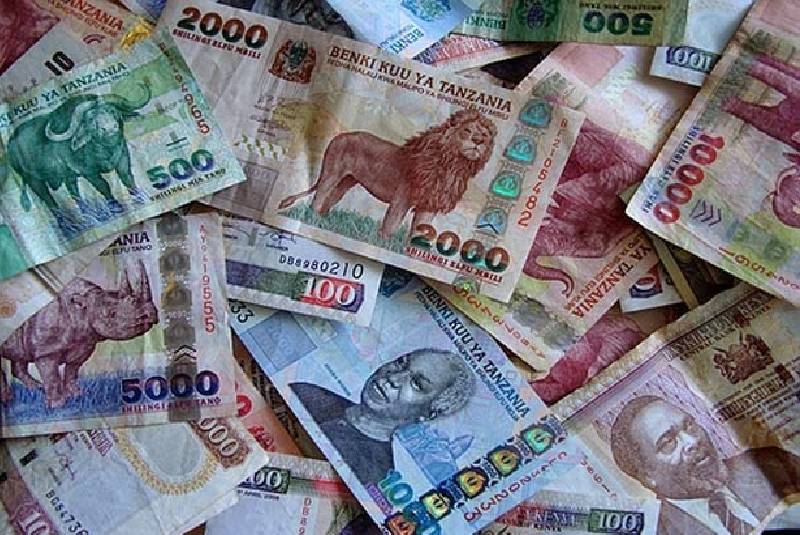
Some currencies are also strong as compared to others mostly due to factors related to unique economic conditions, historical backgrounds, political contexts, and the security stability of the countries.
Challenges of Trading as a Bloc with Diverse Currencies
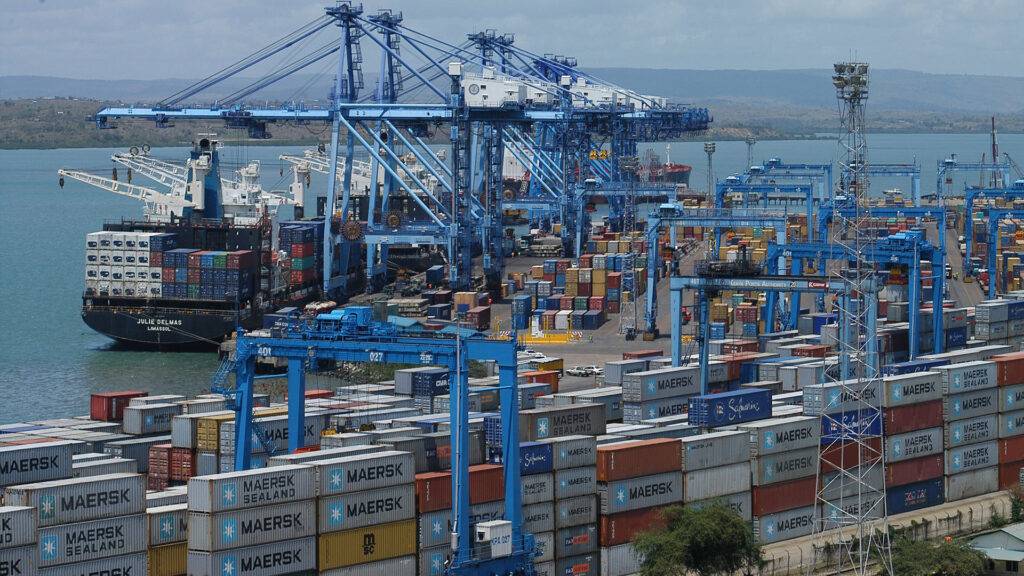
The existence of multiple currencies further complicates trade within the region, leading to inefficiencies and barriers. Exchange rate fluctuations and currency conversion costs can hinder cross-border transactions, discouraging trade and investment.
Moreover, disparities in the economic status and political stability of member states further exacerbate these challenges. Countries with stronger economies and greater political stability may face difficulties in trading with their less economically developed and politically volatile counterparts.
This disparity not only affects trade volumes but also undermines the potential for mutual economic growth and prosperity within the bloc.
Why the SHEAFRA?
Over the years, member states have endeavored to deepen regional integration, with suggestions for the adoption of a common currency highlighted as a significant milestone in this journey.
The East African Sheafra, abbreviated as SHF, will thus serve as the official currency of the EAC, facilitating seamless trade and financial transactions across borders.
During the currency’s unveiling, it was announced that six denominations would be issued, ranging from SHF 5 to SHF 200, catering to diverse economic needs within the region.
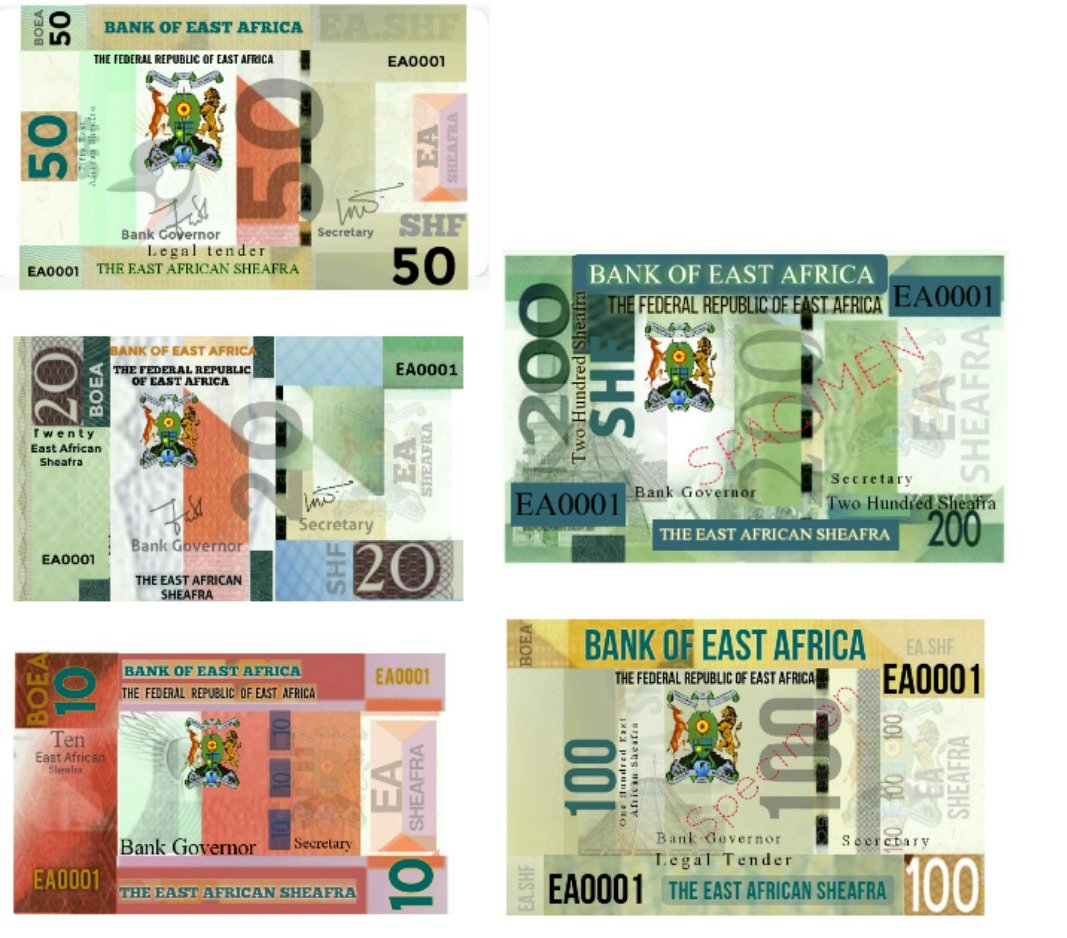
“The East African Sheafra (SHF1 Sheafra) is valued at 0.76 cents on the Dollar, almost a Dollar; Tsh2800 (Tanzania Shillings), Ksh760 (Kenya Shillings), RFr.1,230 (Rwanda Franc), USh3,400 (Uganda Shillings), BF.3,103 (Burundi Franc),” reported the Government of East Africa on their X platform.
Addressing the challenges discussed in the previous section requires concerted efforts to harmonize monetary policies, enhance financial infrastructure, and promote economic convergence among member states.
The adoption of a common currency, the East African Sheafra (SHF), therefore represents a crucial step towards overcoming these hurdles. A common currency also fosters a more integrated and resilient economic community in East Africa.
By unifying currencies and facilitating seamless trade, the SHEAFRA lays the foundation for shared prosperity and sustainable development across the region.
Importance of a Common Currency
The introduction of the SHEAFRA holds immense significance for East African countries. By harmonizing monetary policies and eliminating exchange rate uncertainties, the common currency is poised to enhance economic stability and stimulate intra-regional trade.
Moreover, it will foster a sense of unity and collective identity among member states, bolstering regional cooperation and development initiatives.
Other benefits of the SHEAFRA include:
- Enhanced Trade Facilitation: The SHEAFRA will streamline cross-border transactions, therefore reducing transaction costs and other current bureaucratic hurdles for businesses within East Africa.
- Price Stability: With a common currency, member states can mitigate inflationary pressures and promote price stability, hence fostering a conducive environment for investment and growth.
- Greater Financial Integration: The SHEAFRA will promote deeper financial integration, further facilitating capital flows and investment across East Africa.
- Increased Competitiveness: By eliminating currency exchange risks, businesses can operate more efficiently, enhancing their competitiveness in both regional and global markets.
Challenges and Disadvantages of a Common Currency
- Transition Period: The adoption of a common currency entails a transitional phase, during which member states must align their monetary policies and regulations. This however will no doubt pose logistical challenges.
- Economic Disparities: Divergent economic conditions among member states may pose challenges in implementing a uniform monetary policy that addresses the varying needs of each economy.
- Sovereignty Concerns: Some member states may perceive the adoption of a common currency as a relinquishment of monetary sovereignty. This therefore necessitates careful negotiation and consensus-building before adoption of the SHEAFRA.
Who Stands to Benefit from the SHEAFRA?
The launch of the SHEAFRA marks a transformative moment in East Africa’s journey towards economic integration and prosperity. By fostering unity and stability, the common currency sets the stage for a brighter future, where shared opportunities abound across the region.
However, only time will tell how strong the common currency will grow and gain acceptance just like the Euro or the Dollar which trade globally.
FAQs (Frequently Asked Questions)
- What is the significance of the SHEAFRA for East Africa?
The SHEAFRA represents a significant step towards regional economic integration, fostering cohesion and growth among member states. - How will the SHEAFRA impact cross-border trade?
The common currency streamlines trade by eliminating currency exchange costs and uncertainties, facilitating smoother transactions. - What challenges may arise during the transition to the SHEAFRA?
The transition period may pose challenges in aligning monetary policies and addressing economic disparities among member states. - Who regulates the issuance of the SHEAFRA?
The currency will be issued by the Bank of East Africa, regulated by the Federal Republic of East Africa. - How does the SHEAFRA promote financial integration?
The SHEAFRA fosters deeper financial integration by facilitating capital flows and investment across East Africa. - What benefits does the SHEAFRA offer to businesses?
Businesses benefit from reduced transaction costs, enhanced price stability, and increased competitiveness in regional and global markets.