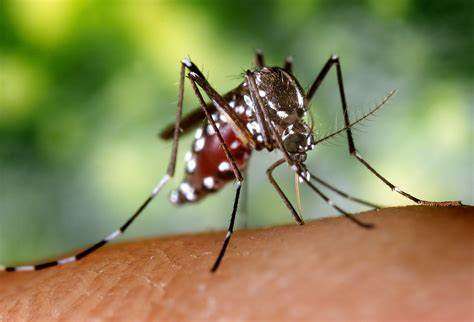
The world on Thursday united to commemorate Malaria Day, aiming to increase awareness of malaria and rally efforts toward its control and eradication.
This year’s theme, “Accelerating the fight against malaria for a more equitable world,” emphasizes the need to address health disparities that make certain regions more vulnerable to malaria.
Despite ongoing efforts, malaria remains a significant cause of mortality, particularly among children, according to the Ministry of Health.
In Kenya alone, approximately 4,000 individuals lose their lives to malaria each year.
Numerous stakeholders are actively involved in combating malaria, despite the persistent high prevalence of the disease and challenges related to the availability of antimalarial drugs.
One such organization is API for Africa (APIFA), a non-profit dedicated to promoting local production of Active Pharmaceutical Ingredients (APIs) and other health products and technologies (HPTs) in sub-Saharan Africa.
APIFA works with key stakeholders from the private sector, public sector, research institutes, and civil society to address a significant market challenge: the inadequate API manufacturing capacity in sub-Saharan Africa and the resulting lack of affordable medicines.
“Combating malaria and improving healthcare across the region requires an increase in local production to ensure a steady supply of essential medications to those who need them the most,” said APIFA Chief Executive Officer, Dr. Frankline Keter.
Keter stressed that APIFA’s efforts to promote local production of APIs and other health products and technologies are essential for ensuring a consistent supply of vital medicines, particularly for combating diseases like malaria.
“By strengthening the robustness and resilience of our pharmaceutical supply chain, we not only enhance the industry’s competitiveness and self-reliance but also drive economic growth and job creation. This approach serves as a catalyst for fostering innovation and facilitating the transfer of technology,” he added.