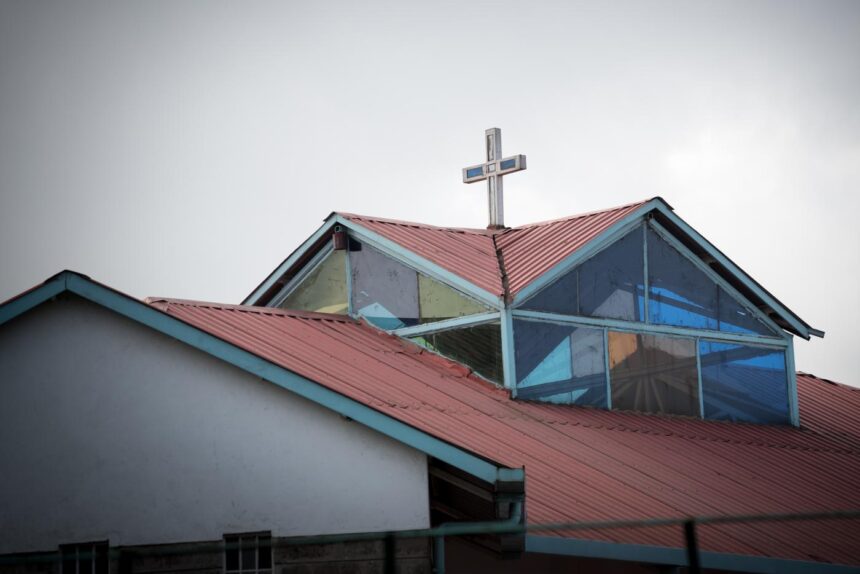
Tensions flared in Madogo area, Bangale, Tana River County, after a group of residents stormed the Kenya Assemblies of God (KAG) Church in Sombo on the evening of August 1, citing ongoing noise pollution from the place of worship.
According to NEMA Kenya, persistent noise complaints can constitute an environmental offense. Locals claim their repeated grievances to the area chief had been ignored, prompting the raid.
The group vandalized the church’s sound equipment, including speakers and chairs, and partially destroyed the structure before fleeing. Police were called to the scene shortly after the incident and are currently investigating the matter.
Rising Frustrations Over Noise from Worship Centers
This attack highlights a broader national concern, as noise pollution from churches in urban estates and rural areas continues to spark conflicts. Worship leaders, however, often defend their actions by invoking freedom of worship as enshrined in Article 32 of the Constitution of Kenya (source).
Despite this, complaints persist, with many Kenyans urging for a balance between spiritual activities and community peace. For a similar incident involving noise complaints and religious centers, visit our report on Nairobi church disputes.
Police Condemn Vandalism, Urge Dialogue
Tana River police termed the raid as an act of religious intolerance, urging both sides to engage in peaceful dialogue. Officers have reached out to church leaders to deliberate on possible solutions and ensure that such tensions do not escalate further.
Local administrators and elders have also been asked to step in and mediate the standoff, avoiding future confrontations.
What the Law Says About Noise Pollution
According to the Environmental Management and Coordination (Noise and Excessive Vibration Pollution) (Control) Regulations, 2009, religious institutions are required to regulate sound levels, especially in residential areas. Failure to comply may attract legal penalties. Learn more from Kenya Law Reports.
Call for Mutual Respect
This incident underlines the urgent need for dialogue between religious institutions and local communities. While freedom of worship remains a protected right, it must coexist with community well-being.
To stay updated on similar stories and community news, check out our Local News section.