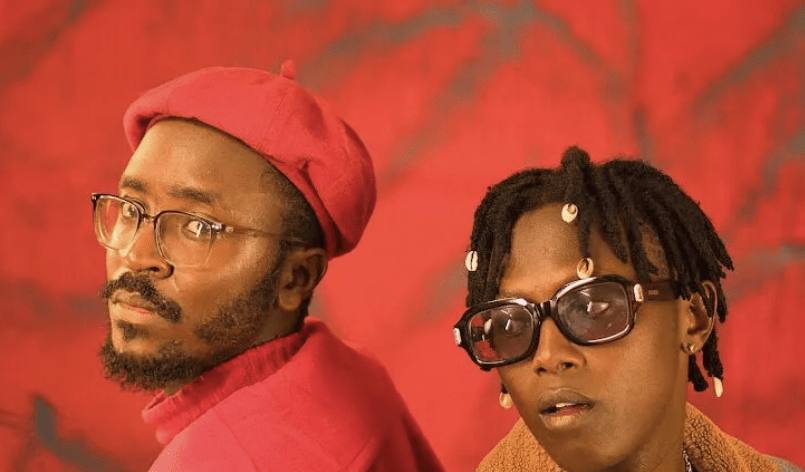
The Copyright Tribunal has temporarily barred Black Market Records LLC and related parties from monetising or commercially exploiting music belonging to Kenyan gengetone artistes Fathermoh and **Harry Craze> pending the hearing of their copyright disputes.
Tribunal Issues Interim Orders
In interim orders issued on May 22, the tribunal certified the matter as urgent and restrained the respondents from:
- Claiming ownership of the artistes’ music
- Monetising or distributing the disputed works
- Publishing or commercially exploiting the songs
- Interfering with performances, concerts and promotional campaigns
The orders will remain in force pending the hearing and determination of the cases.
The suits were filed against:
- Black Market Records LLC
- Black Market Media LLC
- Cedric Singleton
Dispute Over Royalties and Music Ownership
According to court documents, Fathermoh and Harry Craze say they had entered into exclusive recording agreements covering production, distribution, marketing and management of their music.
Fathermoh reportedly signed agreements both individually and as part of Mbuzi Gang, while Harry Craze’s arrangements were linked to Rico Gang.
The artistes allege disputes later emerged over:
- Royalty payments
- Ownership of music catalogues
- Revenue sharing
- Management of digital streaming rights
Claims of Lost Revenue and Audience
Fathermoh told the tribunal he released 63 songs between 2020 and 2024, but alleged the respondents continued distributing and monetising the tracks on platforms including:
- YouTube
- Spotify
- Boomplay
He also claimed copyright strikes and takedown notices severely affected his online reach and earnings.
According to the filings, his Spotify monthly listeners allegedly dropped from 80,000 to 46,000 within a month, while YouTube subscribers reportedly fell from 228,000 to 32,900 following the disputes.
Harry Craze similarly alleged that songs including:
- Matopare
- Luku Ni Pyam
- Diglo
were removed from digital platforms and may have continued generating revenue without his consent.
Case to Be Mentioned in June
Lawyer Adrian Kamotho, representing the artistes, argued that urgent intervention was necessary to prevent continued exploitation of the disputed works.
The tribunal is expected to give further directions on June 4.