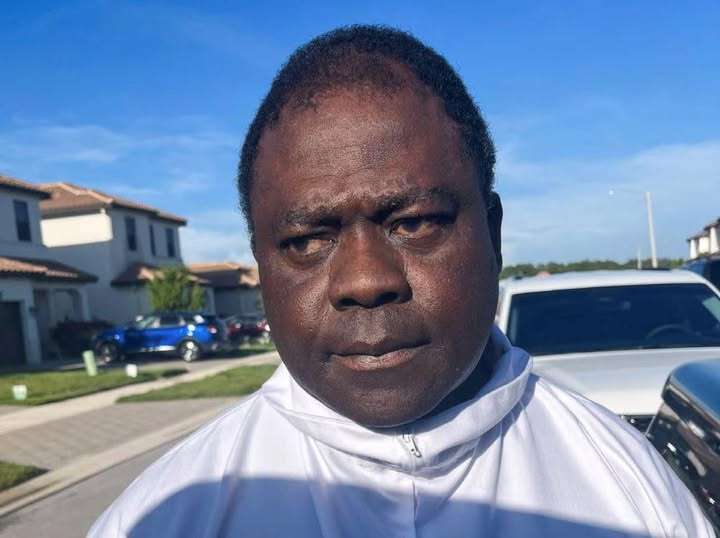
A Nigerian Catholic priest has been convicted by a United States court for sexually abusing women who were under his spiritual guidance, in a case that has reignited debate about accountability within religious institutions.
Father Anthony Odiong, 57, a priest from Nigeria’s Catholic Diocese of Uyo, was found guilty after a jury in Waco, Texas, heard testimony from multiple women who accused him of exploiting his position of trust to engage in sexual misconduct.
Jury Finds Priest Guilty on Multiple Charges
According to court proceedings, the jury convicted Fr. Odiong on one count of first-degree sexual assault and two counts of second-degree sexual assault.
Prosecutors argued that the priest abused his role as a spiritual adviser, using his influence and authority over vulnerable women seeking religious guidance.
The case attracted widespread attention due to the serious nature of the allegations and the number of women who came forward to testify.
DNA Evidence Presented in Court
During the trial, prosecutors also presented DNA evidence that allegedly showed the priest fathered a child with a woman he had been counselling spiritually in Louisiana.
The evidence formed part of the prosecution’s case that Fr. Odiong had engaged in inappropriate relationships with individuals who trusted him in a pastoral capacity.
The revelations shocked many members of the Catholic community and intensified scrutiny of the allegations.
Previous Legal Troubles Emerge
The scandal deepened after details emerged regarding a separate arrest involving the priest.
Reports indicate that Fr. Odiong was arrested in Florida in 2024 on child pornography-related charges while reportedly pursuing a new role at a Catholic university.
The earlier arrest added another layer of controversy to a case that has generated international attention.
Renewed Debate on Clergy Accountability
The conviction has sparked renewed discussion about the responsibility of religious institutions to protect vulnerable individuals and respond swiftly to allegations of misconduct.
Advocates for abuse survivors have called for stronger oversight mechanisms and greater transparency when handling complaints involving members of the clergy.
The case has also prompted conversations within Catholic communities in both the United States and Nigeria about trust, safeguarding practices and accountability among religious leaders.
As sentencing proceedings move forward, many observers say the case serves as a reminder of the importance of ensuring that positions of spiritual authority are never used to exploit those seeking guidance and support.