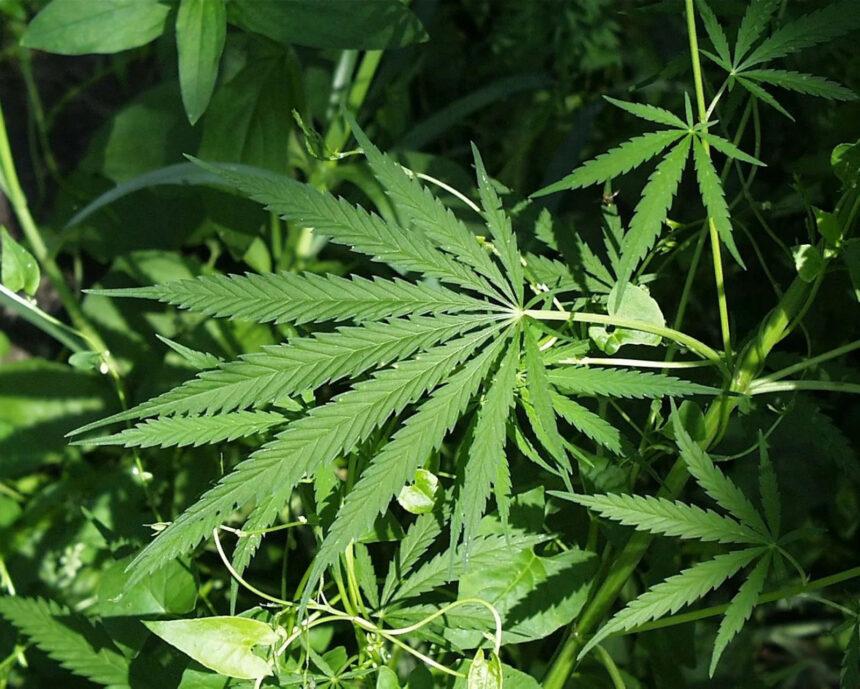
News that Ghana’s parliament has passed a controversial law allowing the industrial cultivation of cannabis for medicinal purposes has been generally welcomed.
However, the recreational use of marijuana, commonly known as “wee” in Ghana, remains illegal.
The Supreme Court had earlier overturned the Narcotic Control Commission Amendment Bill, much to the detriment of the legislators. The courts had declared section 43 of this law unconstitutional, thereby hindering the smooth passage of the legislation. They also further explained that the amendment bill was not properly debated by MPs.
Section 43 of Act 1019 previously authorized the Minister, based on the Commission’s recommendation, to grant licenses for the cultivation of cannabis, commonly known as “wee” in Ghana. However, this provision has been eliminated due to its unconstitutional nature.
That Supreme court ruling upset the Attorney General’s office and the speaker of parliament. The Narcotics Control Commission Amendment Bill would however be approved after its third reading by MPs on Wednesday, July 12.
As a result of this new law, the Ministry of Interior is now bestowed with the responsibility of issuing licenses for the cultivation of cannabis. The Ministry will also be responsible for opening up avenues for the utilization of this versatile plant in various beneficial applications.
People on the streets of the capital, Accra, said this was a positive move. They however requested for the growers to be properly overseen.
“We need to control its usage – we should have a system of policing it,” one man said.
This view was echoed by others concerned about young people who smoke cannabis – and the belief it fuels those engaged in criminal activities.
Ghana now joins the list of countries where the production of cannabis is legal, including Uruguay, Canada, and Thailand.
By allowing the controlled cultivation of cannabis with limited THC content, the government aims to tap into its industrial potential. This will enable the government to explore its use in the production of fiber and seed.
Moreover, the medicinal properties of cannabis can now be further explored and utilized in a regulated manner.
This legislative milestone is expected to pave the way for the development of a well-regulated cannabis industry in Ghana. It will also ensure that its cultivation and usage adhere to strict guidelines and quality standards.
Additional reporting by Sauce News Team