Schools in Kenya’s capital Nairobi and the coastal town of Mombasa have been shut indefinitely.
The schools were closed as three days of nationwide cost-of-living protests kicked off on Wednesday July 19.
Last week’s violent protests resulted in the deaths of at least 14 people.
“The government has received credible security intelligence that criminal elements planning to unleash terror and violence on the public. They intend to engage in armed skirmishes with security agencies around certain schools within Nairobi and Mombasa counties,” the interior ministry said.
Police chief Japheth Koome has declared the anti-tax hike protests illegal. This even after the high court had on Monday July 17, rejected a request to declare them illegal.
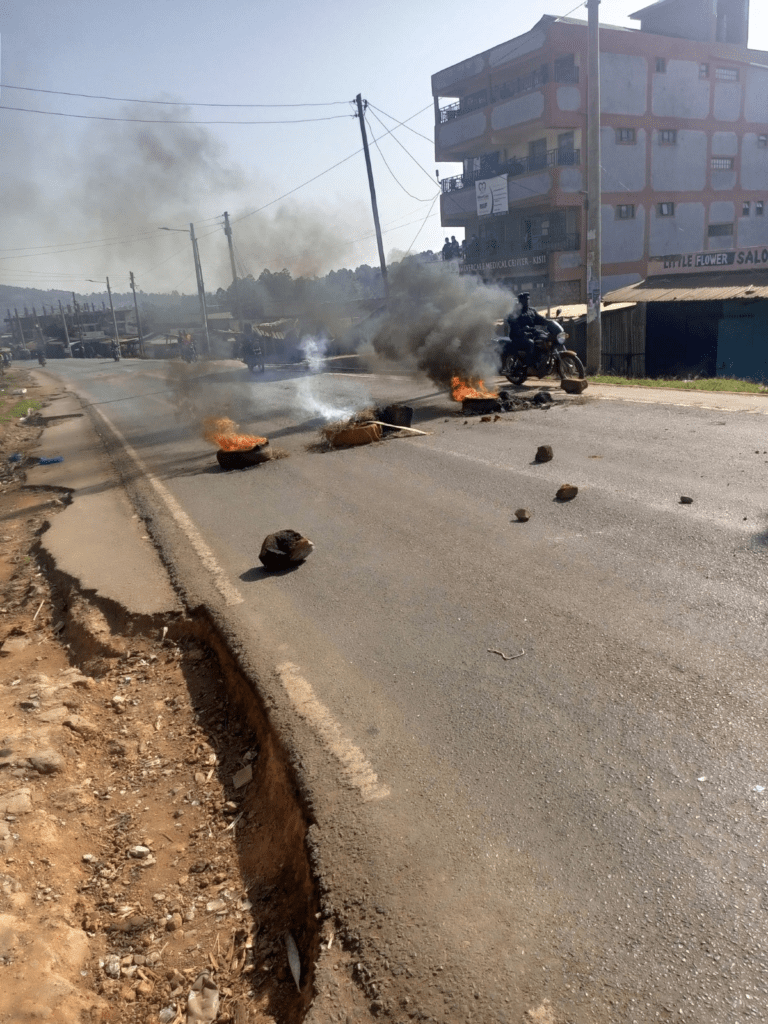
During similar protests last Wednesday, the police shot dead at least 10 people.
More than 50 schoolchildren were also teargassed while in their classroom in Nairobi. A few were also subsequently rushed to the hospital in an unconscious state.
There have been reports of police firing teargas canisters at protesters in neighborhoods around Nairobi.
Protesters armed with crude weapons have also barricaded roads in western Kenya and extorted money from road users.
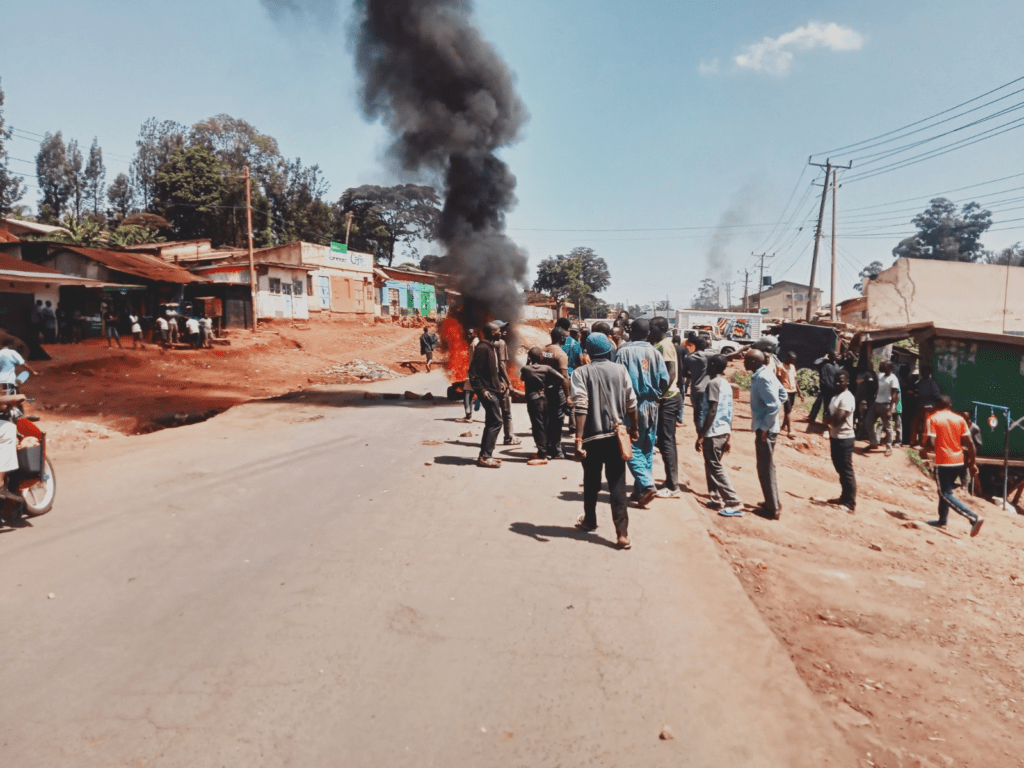
Human rights organizations have strongly criticized the police for what they call their excessive use of force.
Local and international groups and foreign diplomats have expressed deep concerns over the situation in Kenya, urging dialogue to address the issues at hand.
The National Council of Churches of Kenya (NCCK), led by Bishop John Okinda, said that the country was being subjected to unnecessary tension from the weekly demonstrations by the opposition.
Okinda said that though the demonstration was a civil right, the recent picketing in parts of the country resulted in deaths and the destruction of property.
He noted that it was advisable for both parties to sit down and call a truce. A truce would ensure peace, prosperity, and love among Kenyans.