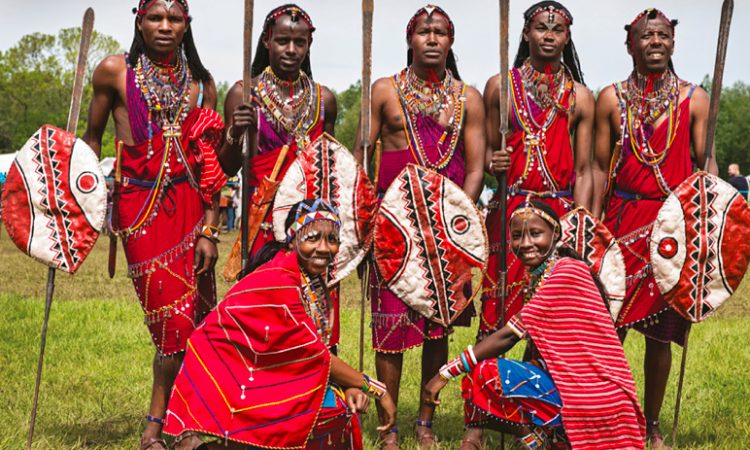
The Maasai, a Nilotic ethnic group, trace their origins to the Sudanese Nile region, migrating southward into East Africa several centuries ago. Renowned for their warrior culture and pastoral way of life, the Maasai have preserved their traditions through generations, creating a legacy that reflects their historical significance. Maasai names as we discuss in this article are decided through a process that give each one of them a unique meaning.
- Nomadic Pastoralism:
At the heart of Maasai culture lies their unique approach to life—nomadic pastoralism. Traditionally, the Maasai are cattle herders, and their livelihoods are intricately woven with the well-being of their livestock. This nomadic lifestyle has shaped their social structures, values, and interactions with the environment. - Geographical Presence:
The Maasai predominantly reside in East Africa, spanning parts of Kenya and Tanzania. In Kenya, their presence is particularly pronounced in the Great Rift Valley and the Maasai Mara National Reserve, while in Tanzania, they inhabit the Ngorongoro Conservation Area and other regions. The vast landscapes they call home are a testament to their harmonious coexistence with nature. - Maasai Mara National Reserve:
The Maasai Mara, an iconic wildlife reserve in Kenya, not only serves as a habitat for diverse flora and fauna but is also a crucial part of Maasai heritage. The Maasai people share a symbiotic relationship with the land and wildlife, emphasizing the importance of conservation and sustainable living. - Cultural Traditions and Customs:
The Maasai are renowned for their distinctive customs, clothing, and beadwork. The colorful garments worn by both men and women reflect not only their identity but also serve practical purposes in the harsh East African climate. Maasai beadwork, with its intricate designs and vibrant colors, tells stories of age, social status, and milestones in life.
The Maasai people are not just a tribe but stewards of a profound cultural legacy. Their history, traditions, and adaptations underscore the importance of preserving indigenous cultures in the face of a changing world, ensuring that the Maasai story continues to captivate and inspire generations to come.
The Essence of Maasai Naming Tradition:
The Maasai people, a proud and ancient East African community, place immense importance on names as a means of preserving their identity and cultural heritage. Names are carefully chosen to reflect the circumstances of a child’s birth, family history, or even the aspirations parents hold for their offspring.
- Naming Conventions and Rituals:
Maasai names are bestowed with great thought and consideration. They are often given during elaborate naming ceremonies where elders play a crucial role in determining a suitable name for the newborn. These ceremonies are deeply rooted in tradition and are accompanied by rituals that connect the child with the Maasai community. - Meanings Rooted in Nature:
Nature serves as a profound inspiration for Maasai names, with each name often carrying a specific meaning linked to the environment. Names like “Lemayian” (meaning “sun”) and “Nashipai” (meaning “rose”) reflect the tribe’s deep connection to the natural world and the elements that surround them. - Symbolism and Cultural Significance:
Beyond their linguistic meanings, Maasai names are laden with symbolism and cultural significance. They often convey a sense of hope, strength, or aspirations for the child’s future. For example, the name “Lengai” (meaning “of God”) reflects the Maasai people’s spiritual beliefs and reverence for a higher power. - Gender-Specific Naming Patterns:
Maasai names are also distinctively gender-specific, with each gender having its own set of names and meanings. Understanding these gender-based naming patterns provides valuable insights into the cultural nuances and roles within the Maasai society. - Preserving Maasai Identity in Modern Times:
In the face of modernization and globalization, the Maasai people remain committed to preserving their cultural identity, and names play a pivotal role in this endeavor. The younger generation continues to carry forward these beautiful names, ensuring that the legacy of the Maasai tribe endures.
Beautiful Maasai girl names and their meanings
The naming of Maasai girls is a thoughtful and culturally significant process, often influenced by various factors such as circumstances surrounding birth, family history, and aspirations for the child. Here’s an overview of how the Maasai traditionally name their girls:
- Naming Ceremony:
The naming of a Maasai girl typically occurs during a special ceremony. This ceremony is a significant event within the community, involving family members, elders, and sometimes the entire community. The ceremony is an opportunity to celebrate the birth of the child and to formally introduce her to the community. - Elders’ Involvement:
Elders play a crucial role in the naming process. Their wisdom and experience are valued, and they often provide guidance and suggestions for suitable names. Elders may consider various factors, including the circumstances of the child’s birth, family history, and sometimes even dreams or visions associated with the birth. - Meaningful Names:
Maasai names are not arbitrary; they are chosen for their meanings, which often reflect qualities, aspirations, or circumstances surrounding the child’s birth. For girls, names may convey attributes such as beauty, strength, or positive qualities that parents wish for their daughters. The meaning of a name is an integral part of its significance. - Connection to Nature:
The Maasai people have a deep connection to nature, and this is often reflected in the names they choose. Names may be inspired by elements of the natural world, such as animals, plants, or celestial bodies. For example, names like Nashipai (meaning “rose”) or Naserian (meaning “peaceful”) connect the child to the beauty of nature. - Cultural and Spiritual Influences:
Maasai names may also have cultural or spiritual significance. Some names reflect the tribe’s religious beliefs or express a connection to the divine. The use of spiritual elements in names underscores the importance of the supernatural in Maasai culture. - Gender-Specific Naming Patterns:
The Maasai have distinct naming patterns for boys and girls. Understanding these gender-specific conventions provides insights into the cultural nuances and roles within the Maasai society. Girls’ names may differ in structure and meaning from those given to boys. - Family Legacy and Ancestral Names:
Family history and ancestral connections also influence the naming process. Parents may choose names that honor family members or carry forward the legacy of their ancestors. This helps maintain a sense of continuity and connection with the past. - Rituals and Blessings:
The naming ceremony is often accompanied by rituals and blessings conducted by elders or traditional leaders. These rituals are intended to invoke positive energies, protection, and well-being for the child. They are an integral part of the naming process and contribute to the cultural richness of the event.
In summary, the naming of Maasai girls is a culturally rich and meaningful process, involving the community, elders, and family members. The chosen names carry not only linguistic significance but also embody the hopes, aspirations, and cultural values of the Maasai people.
Girl names
- Esiankiki: Young maiden
- Kingasunye: Chubby or fat
- Lankenua: Lucky
- Naetoi: Born in the morning
- Naimutiae: Born in the evening
- Naipanoi: The big one
- Naipasin: The brave one
- Naisiae: Hardworking
- Naitoti: Born during a drought
- Nalepo: Born at night
- Nalitapio: Born during the day
- Nalutuesha: When a girl is born during the rain
- Namelok: The sweet one
- Nanyoka: Young and energetic
- Nanyori: Special and unique
- Napayian: The chosen one
- Naserian: The peaceful one
- Nasinka: Shining star
- Nataana: Born of a neighbour
- Neelai: Intelligent
- Neeris: Beautiful and elegant
- Nkasiogi: One who is always in a hurry
Beautiful Maasai names for boys and their meanings
- Barmasai: One who has killed or captured a Maasai
- Koinet: The tall one
- Legishon: The polite one
- Lemarti: The courageous one
- Lemayian: The blessed one
- Lemein: The warrior
- Lemuani: One from a large family
- Lolkerra: Owner of a flock of sheep
- Loolenjai: The wise one
- Naengop: One from a large place
- Nalangu: From another tribe
- Namunyak: The lucky one
- Naorokot: The clever one
- Oleitiko: The leader
- Olumisi: The hunter
- Sadera: The joyous one
- Sironka: The pure or clean one
Beautiful Maasai names that can be used for both boys and girls
- Leboo: Born in the bush or outside the homestead
- Leinot: Gift from God
- Lekipisia: Strong and resilient
- Leleito: Born during a thunderstorm
- Lemarti: Courageous one
- Lengai: Mountain
- Lenkai: Rainy season
- Lomeiku: Beloved one
- Naanyu: Sweet one
- Naeket: Born during a drought
- Naeku: Born in the early morning
- Nalemang: Born in the wilderness
- Nalotieno: Born in the evening
- Narok: Born in the afternoon
- Nasilulu: Born during a lunar eclipse
- Nasinko: Shining star
- Ntukai: Born during the rainy season
- Olomunyak: Bright star
Beautiful Maasai names for warriors and leaders
Warriors hold immense significance among the Maasai people, playing a central role in their cultural, social, and historical fabric. The Maasai warriors, often referred to as “Morans,” are more than just defenders of the community; they embody the ideals of strength, courage, and discipline. Here are several aspects that highlight the significance of warriors among the Maasai:
- Guardians of Livestock: Traditionally, the Maasai are nomadic pastoralists, relying on livestock for sustenance and wealth. Warriors are entrusted with the responsibility of protecting the community’s herds from predators, theft, and other potential threats. The ability to safeguard the livestock is a critical aspect of a warrior’s role, as the well-being of the cattle is intricately linked to the survival and prosperity of the community.
- Protectors of the Community: Warriors are the frontline defenders of the Maasai community. They are trained in the art of warfare and are prepared to confront external threats, including raids from neighboring tribes or conflicts over grazing lands and resources. The bravery and prowess of warriors are crucial for maintaining the safety and security of the Maasai people.
- Rites of Passage: Becoming a warrior is a significant rite of passage for young Maasai men. The transition from adolescence to warriorhood involves a series of rituals and ceremonies that mark this crucial stage in their lives. The initiation process instills a sense of responsibility, discipline, and adherence to cultural values.
- Cultural Symbolism: The attire and adornments of Maasai warriors are symbolic of their status and role within the community. The distinctive red clothing, intricate beadwork, and accessories worn by warriors not only reflect their identity but also convey messages about age, social standing, and achievements. The visual representation of warriors is a source of pride and cultural expression.
- Preservation of Traditions: The role of warriors is closely tied to the preservation of Maasai traditions. Through rituals, ceremonies, and oral storytelling, warriors contribute to the transmission of cultural knowledge from one generation to the next. Their involvement in cultural practices helps maintain a strong sense of identity and continuity within the community.
- Transition to Eldership: Warriors eventually transition to the role of elders, bringing with them the experiences and wisdom gained during their warrior years. As elders, they continue to contribute to decision-making processes, conflict resolution, and the overall well-being of the community. The transition from warrior to elder marks another crucial phase in Maasai life.
- Adaptation to Modern Challenges: While the traditional roles of warriors remain essential, the Maasai people are also adapting to modern challenges. Some warriors engage in education and advocacy, promoting sustainable practices, environmental conservation, and addressing contemporary issues faced by their community.
Names given to warriors and leaders
- Kapere: Hunter or gatherer
- Kiloki: Wise or intelligent
- Lekuton: Represents someone powerful
- Lema: Warrior or fighter
- Lenana: Signifies strength and courage
- Lengai: Of God or sent by God
- Lenkotek: Represents the one who protects
- Lenku: Brave or courageous
- Lemurian: One who is loved or beloved
- Nasieku: Born during a difficult time or a survivor
- Olelengis: One who leads or one who guides
- Olonana: Peaceful or gentle
- Salaton: One who is strong or powerful
- Sambu: May mean courageous
- Saruni: Signifies warrior or fighter
- Siloma: Signifies warrior or fighter
- Simba: Lion, symbolizing bravery and fierceness
- Sipolio: Fearless or brave
- Suyianka: Leader or chief