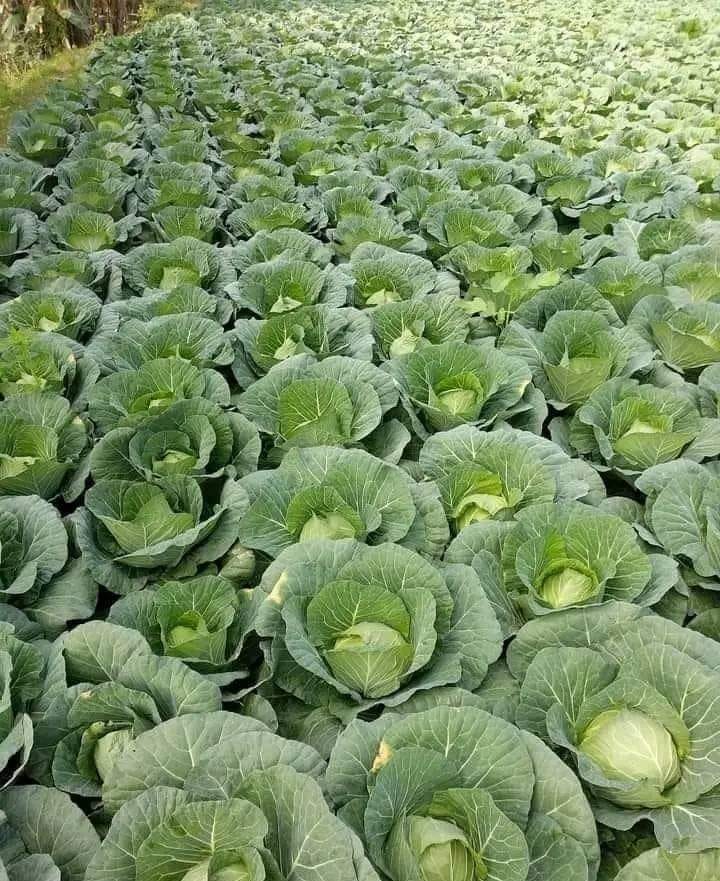
Cabbage, often overlooked in favor of trendier superfoods has been trending since the end of the festive season on how it will fill dinner tables in Kenya because everyone is essentially broke in January.
Packed with essential nutrients and boasting an impressive array of health benefits, cabbage is a versatile and affordable addition to any diet despite all the jokes. Various health and fitness experts give the following reasons on why you should embrace cabbage this January.
Nutritional Powerhouse
Cabbage belongs to the cruciferous vegetable family, sharing its lineage with broccoli, kale, and Brussels sprouts. This family is renowned for its health-promoting properties, and cabbage is no exception. Rich in essential nutrients, cabbage is a low-calorie, high-fiber vegetable that makes a valuable contribution to a balanced diet.
Dr. Jane Doe, a renowned nutritionist, highlights the nutritional density of cabbage, saying, “Cabbage is a nutritional powerhouse, providing an excellent source of vitamins K, C, and B6, as well as folate and manganese. These nutrients play crucial roles in bone health, immune function, and energy metabolism.”
Antioxidant Boost
One of the standout features of cabbage is its antioxidant content, which helps combat oxidative stress and inflammation in the body. Antioxidants are essential for neutralizing free radicals, unstable molecules that can damage cells and contribute to chronic diseases.
Fitness expert and author, John Smith, emphasizes the importance of incorporating antioxidant-rich foods into our diets. “Cabbage is an underrated source of antioxidants, including polyphenols and glucosinolates, which have been linked to a reduced risk of chronic diseases, such as certain types of cancer,” says Smith.
Digestive Health
Cabbage is an excellent source of dietary fiber, promoting digestive health and regular bowel movements. The fiber content aids in maintaining a healthy gut microbiome, fostering the growth of beneficial bacteria.
Registered dietitian, Sarah Johnson, explains, “The fiber in cabbage not only supports digestive health but also helps in weight management. High-fiber foods like cabbage provide a sense of fullness and can contribute to a lower calorie intake overall.”
Heart Health
The benefits of cabbage extend to cardiovascular health, with studies suggesting a positive impact on heart health. The presence of compounds like sulforaphane in cabbage has been linked to a reduction in risk factors for heart disease.
Cardiologist Dr. Michael Brown notes, “Including cabbage in your diet can contribute to a heart-healthy lifestyle. The combination of fiber, antioxidants, and anti-inflammatory properties in cabbage may help lower blood pressure and cholesterol levels.”
Weight Management
For those on a weight loss journey, cabbage can be a valuable ally. With its low-calorie content and high water content, cabbage is a satisfying and nutritious addition to meals without packing on excess calories.
Fitness trainer Lisa Rodriguez advises her clients, saying, “Cabbage is a fantastic food for weight management. It’s low in calories, high in fiber, and can be used in various dishes to add volume without significantly increasing calorie intake. Plus, its crunchy texture adds a satisfying element to meals.”
Cancer Prevention
The cruciferous nature of cabbage contributes to its cancer-fighting potential. Glucosinolates, found in cabbage, are compounds that have been studied for their ability to inhibit the growth of cancer cells.
Dr. Emily Carter, an oncologist, shares her perspective, stating, “While no single food can guarantee cancer prevention, including cabbage in a diet rich in a variety of vegetables is a smart choice. The potential anti-cancer properties of cabbage are intriguing and warrant further research.”
Incorporating Cabbage into Your Diet
Now that we’ve established the numerous health benefits of cabbage, the question becomes: How can you make this humble vegetable a delicious and integral part of your diet?
- Raw in Salads:
Chop or shred cabbage and toss it into your favorite salads for a crunchy texture and a nutrient boost. - Sautéed or Stir-Fried:
Sautéing or stir-frying cabbage with other vegetables and lean protein is a quick and tasty way to incorporate it into your meals. - Cabbage Rolls:
Get creative by using cabbage leaves as wraps for a flavorful and healthy alternative to traditional wraps. - Fermented Cabbage:
Sauerkraut, a fermented cabbage dish, is not only delicious but also rich in probiotics, promoting a healthy gut. - Soup or Stew:
Add cabbage to soups or stews for a hearty and nutritious addition that enhances both flavor and texture.
As health and fitness experts unanimously agree, the inclusion of cabbage in your meals can contribute to improved digestion, heart health, weight management, and potentially even cancer prevention. So, the next time you’re at the grocery store, consider reaching for this unassuming yet powerful vegetable and let its health-boosting properties work wonders for your well-being.