The Kenya government is planning to terminate its Government-to-Government (G2G) deal with Saudi Arabia, citing distortion in the forex market and acknowledging its failure to alleviate the pressure on the dollar.
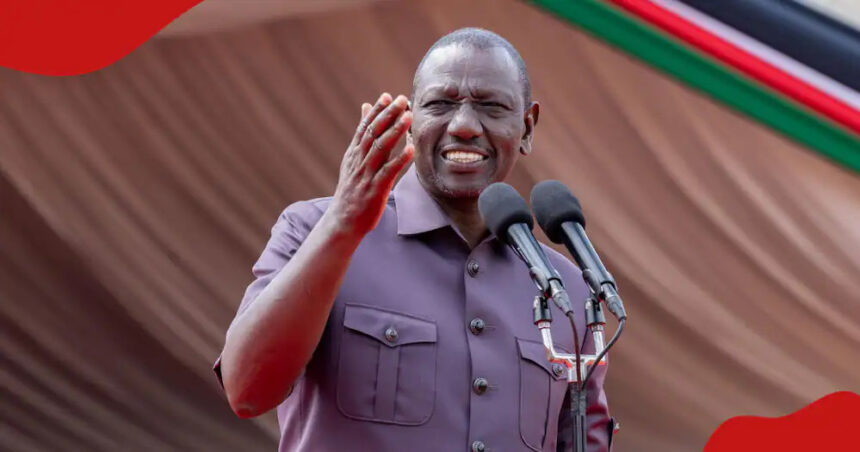
The G2G deal was launched by President William Ruto in April 2023. At the time of the launch, the deal aimed to stabilize the shilling against the dollar.
The deal agreed between Kenya and three national oil exporters from the Gulf, provides for six-month credit for oil imports, backed by letters of credit issued by participating commercial banks.
However, Kenya is now looking to exit the deal according to IMF reports published on Wednesday.
“The government intends to exit the oil import arrangement, as we are cognizant of the distortions it has created in the FX market, the accompanying increase in rollover risk of the private sector financing facilities supporting it and remain committed to private market solutions in the energy market,” the Treasury stated.

The government further admitted that the G2G deal was a short-term measure to alleviate foreign exchange pressures.
“As an interim measure to help ease FX pressures, we introduced a new oil import arrangement in April 2023. It replaced the previous open tendering system, under which oil import dues were payable upon five days of delivery, often creating undue FX market pressures,” the report continues.
The government also acknowledged that the deal faced challenges immediately, with low demand leading to a decline in import volumes.
“In the first 6 months, the actual average monthly import volumes fell short of the monthly minimums agreed under the arrangement. This was due to lower demand from our domestic market as well as from the regional reexports markets,” the government reported.
President Ruto, initially optimistic about the deal in April, had stated, “In the next one month or so, you will see the exchange rate coming down in a very phenomenal way, it will come down to below Ksh.120…”
Opposition leader Raila Odinga criticized the G2G deal, labeling it a scam that would increase fuel costs to benefit a few government officials. He pointed out that the exchange rate had worsened, going from Ksh.132 to Ksh.159 to the dollar within six months of the deal.
Odinga also questioned the selection of Gulf Energy, Galana Oil Kenya Ltd, and Oryx Energies Kenya Limited for local logistics, accusing them of selling oil at nearly twice the price of bulk suppliers.