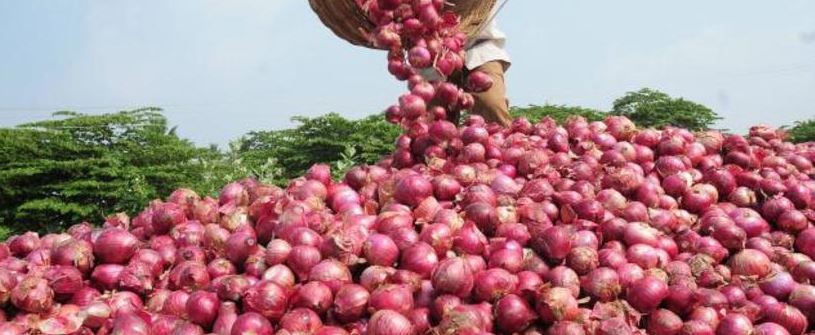
The cost of onions has surged by 51.4 percent over the past year due to a decline in imports from Tanzania, the primary onion supplier to Kenya.
Figures from the Kenya National Bureau of Statistics (KNBS) indicate that the price of a kilogram of onions, previously at Sh99.31 in January last year, has climbed to Sh150.4. This significant increase poses a challenge for consumers already grappling with rising prices of various food items, including sugar, carrots, rice, and cooking flour.
Onion prices have remained high due to a local scarcity exacerbated by Tanzania’s restrictions on onion exports to Kenya last year. Approximately half of Kenya’s red onions are sourced from Tanzania, according to a 2014 report from the United Nations Food and Agriculture Organisation (FAO).
In response to export restrictions imposed by Tanzania on certain agricultural products to Kenya, the supply chain for maize, onions, and other produce from Tanzania to Kenya was disrupted, leading to heightened prices.
The decrease in imports has been compounded by reduced production from farmers facing elevated costs of agricultural inputs like fertilizers. Most onion cultivation in Kenya occurs between January to March and August to October, resulting in shortages during other periods.
Given that many onion farmers are smallholders, cultivating the crop in limited land areas, local production has suffered due to expensive inputs. However, the demand for onions is expected to continue increasing as Kenya’s population grows.
By 2026, Kenya is anticipated to consume 148,000 metric tons of onions, up from 140,000 in 2021. The surge in onion prices contributed to a 7.9 percent increase in food inflation compared to the same period last year.
Other food items experiencing notable price hikes over the 12-month period include carrots (up by 57.2 percent), sugar (up by 32.1 percent), oranges (up by 15.7 percent), and tomatoes (up by 13.4 percent).