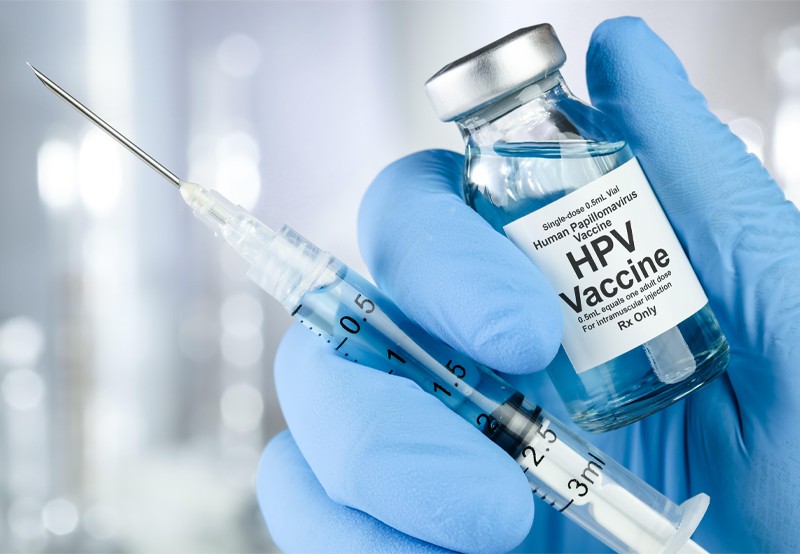
The World Health Organization (WHO) has listed Kenya as among the countries expected to stop the administration of the second dose of the cervical cancer vaccine.
The WHO Africa’s decision was revealed during the inaugural global cervical cancer elimination forum held in Colombia on Wednesday, March 06. The conference aimed to galvanize both national and international efforts to eradicate the preventable disease.
Currently, Kenyan girls aged nine to 14 years receive two doses of the vaccine, spaced six months apart. However, the majority of these girls fail to return for the second dose.
In light of this, the Kenya National Immunization Technical Advisory Group is anticipated to recommend that only one dose is necessary, aligning with the WHO’s guidance.
Research has shown that a single dose offers comparable protection, relieving countries of the burden of administering two doses and allowing them to focus on reaching more unvaccinated girls.
“We have the knowledge and the tools to make cervical cancer history, but vaccination, screening, and treatment programs are still not reaching the scale required,” stated Dr. Tedros Adhanom Ghebreyesus, the WHO Director-General.
Local civil society organizations have welcomed the advisory for a single dose and urged the Kenya National Immunization Technical Advisory Group to update the country’s guidelines accordingly.
“We from the civil society are very keen to support the WHO on the implementation of a single dose to expand coverage to more girls. It also addresses the high dropout rate for the second dose. This study on a single dose was conducted in Kenya by Kemri and confirmed that a single dose is effective. So we support the WHO 100 percent,” said Benda Kithaka, the executive director of Kilele Heath.
“This important advisory comes ahead of International Women’s Day and empowers women and girls to take charge of their health,” Kithaka added.