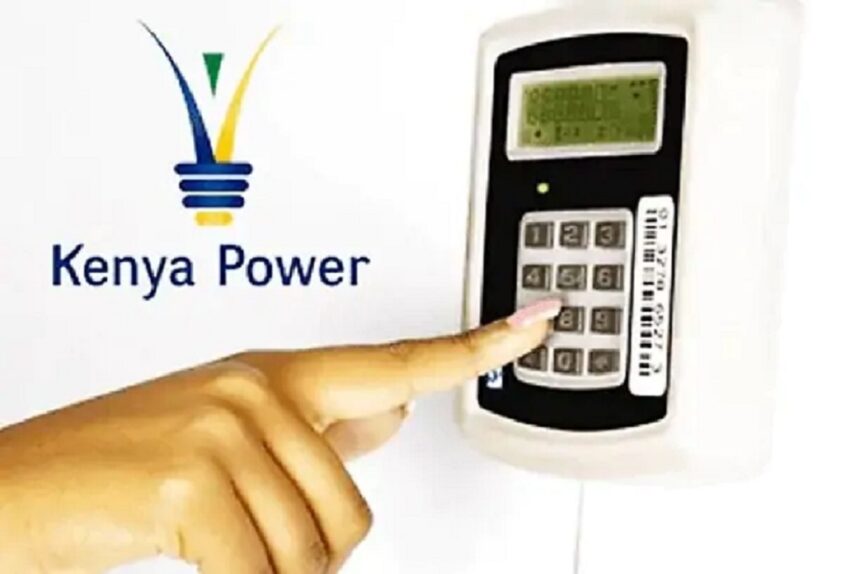
Kenya is inching closer to universal access to electricity with each new connection. The country is nearing the 10 millionth customer, with the cumulative number of grid-connected customers standing at over 9.8 million as at December 2024, according to the Energy and Petroleum Statistics Report.
Part of the call to ensure a sustainable energy sector with the increased grid connections is the need for safety compliance.
Why? The Energy and Petroleum Statistics Report further indicates that there was a spike in electricity-related accidents to 153 in the period ending June 2024 compared to 116 cases reported during a similar period in 2023. Of these cases, 98 were fatal.
A closer examination of the accidents reveals that 80% were attributed to three key factors: poor safety culture within organisations (38.56%), defective or fallen power lines (26.80%), and substandard customer wiring (16.34%), which calls for more attention to safety in the electricity sub-sector.
The Energy and Petroleum Regulatory Authority (EPRA) has put in place frameworks to guide safety standards in the country. Just last year, the Authority added the Energy (Electricity Incident and Accident Reporting) Regulations, 2024, which are aimed at enhancing safety in the power sector while establishing a structured framework for incident and accident reporting.
The draft regulations, now in their final stage of approval, provide an anticipatory approach to safety for everyone involved. All players are expected to take preemptive precautions to avert accidents owing to poor wiring, maintenance, or use of derelict equipment.
Energy companies are expected to prioritise the health and safety of electrical workers, consumers, and the general public.
To attain sector-wide safety compliance, however, everyone must come on board and play their part.
At the consumer level, this journey starts with understanding the levels of safety required. For instance, individuals should be mindful to use licensed electrical workers for home installations because this ensures the quality of work done is well and in case of any grievances, the customer can get help from the Authority and relevant associations in the dispute resolution process.
A database of licensed electrical contractors/workers is available on the EPRA website for reference.
Home and business premises owners should also know that upon completion of electrical works, one should be issued with completion and test certificates.
This is important because in case your property is destroyed by an electrical fault, you are likely not to receive compensation from your insurance company if you fail to prove engagement of a licensed electrical contractor/ worker.
Further, frameworks are in place requiring dealers and manufacturers to adhere to Minimum Energy Performance Standards (MEPS), ensuring only quality products are available in local markets.
This initiative is critical in promoting safety across the electricity value chain, as substandard electrical appliances and equipment pose significant risks of fire, electrocution, and other hazards.
MEPS not only establish stringent benchmarks for energy efficiency but also serve as a safeguard against counterfeit or low-quality products infiltrating the market.
Enforcing compliance with MEPS ensures that products meet predetermined safety and performance criteria.
For example, electrical wiring, circuit breakers, and energy-consuming appliances must undergo rigorous testing and certification before they reach consumers. This reduces the likelihood of failures, malfunctions, and the associated risks to both end-users and infrastructure.
In the transport sector, the deployment of electric vehicles (EVs) and associated infrastructure, such as charging stations, introduces new safety considerations, including high-voltage equipment handling, battery storage, and the safe disposal of components.
Comprehensive regulations must address risks such as electrical fires, overloading of existing power grids, and improper installation of charging systems.
Globally, discussions on electrical safety underscore the importance of unified frameworks and the need to align national standards with international best practices.
Countries that have prioritised safety compliance have demonstrated how proactive measures, such as enforcing stringent product quality standards, lead to sustainable growth and consumer trust.
As Kenya continues to expand its electrical infrastructure to meet rising energy demands, the power sector must adopt this holistic perspective.
By working collectively, embracing accountability, and maintaining unwavering commitment to safety, we can build an electrical sector that is not only reliable and efficient but also a global benchmark for operational excellence.
The writer is the Director General at the Energy and Petroleum Regulatory Authority(EPRA)