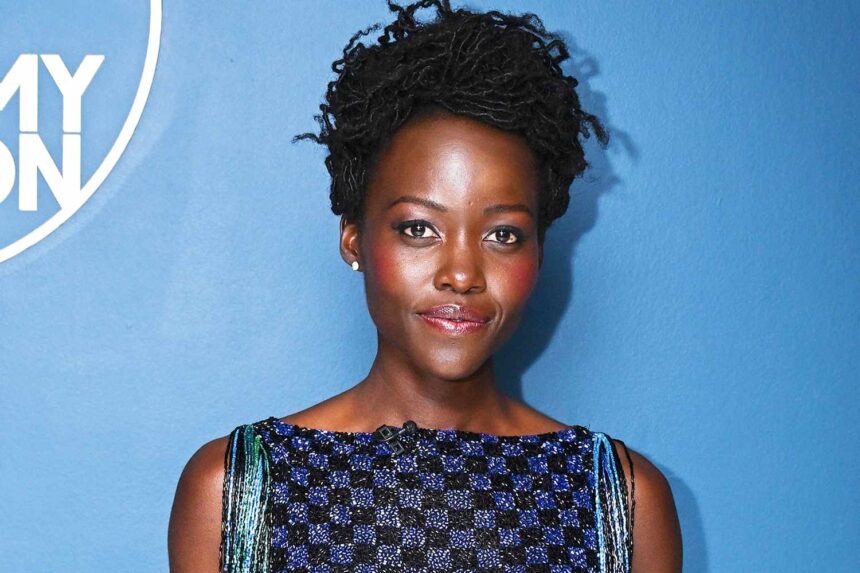
Award-winning actress Lupita Nyong’o has bravely opened up about her 11-year battle with uterine fibroids, revealing that she has undergone 30 surgeries since her diagnosis in 2013. The Oscar-winning Kenyan actress, now 42, shared the emotional journey in a heartfelt post on Instagram, hoping to break the silence around women’s reproductive health.
“In March 2014, I won an Academy Award. That same year, I discovered I had uterine fibroids—30 of them,” she wrote.
“I had surgery to remove them… but my doctor told me: ‘You can’t prevent them. It’s only a matter of time until they grow again.’”
Uterine fibroids are non-cancerous growths that form in or around the uterus. They can range in size from a pea to a melon and are known to cause severe symptoms like:
- Heavy menstrual bleeding
- Anemia
- Chronic pelvic pain
- Frequent urination
- Fertility and pregnancy complications
While many women have fibroids without symptoms, others—like Lupita—experience debilitating effects that often go undiagnosed or misunderstood
Nyong’o expressed deep frustration with the normalization of female pain, especially around menstruation and reproductive health. She emphasized the racial disparities in diagnosis and treatment, noting:
“Fibroids affect 8 out of 10 Black women and 7 out of 10 white women, yet we’re barely talking about it.”
“We’re struggling alone with something that affects us most. No more suffering in silence!”
Her message drew praise across social media, with thousands applauding her vulnerability and amplifying the urgent call for more research, education, and investment in women’s health.
The Black Panther star urged for a public health revolution in the way society treats chronic conditions like fibroids:
“Let’s study women’s health. Let’s stop treating it as a side note.”
“We must reject the normalization of female pain. Prioritize this chronic condition that has never been comprehensively examined.”
In Kenya and many parts of Africa, limited access to gynecological services makes early diagnosis rare and surgical interventions costly. Lupita’s story is now inspiring local health advocates to push for more inclusive health policies.