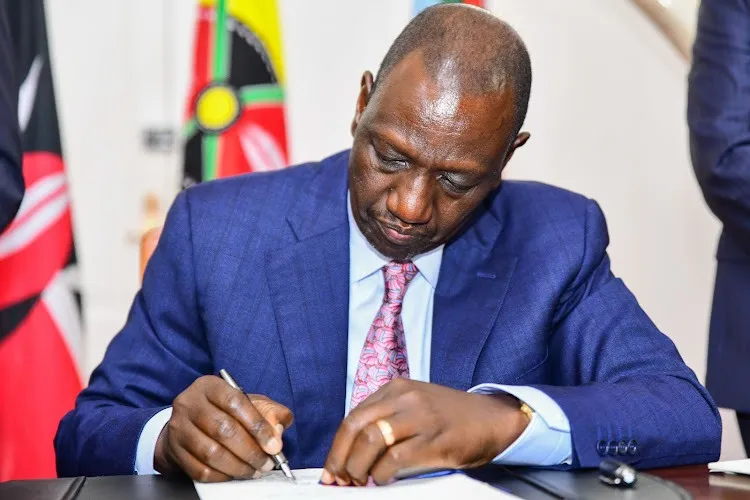
Nairobi, Kenya – August 8, 2025: President William Ruto has announced a new state-funded compensation framework aimed at civilians and police officers who were injured or killed during demonstrations in Kenya since 2017.
Balancing Protest Rights With Responsibility
In a presidential directive, Ruto said the government would uphold constitutional rights while addressing the long-ignored human and financial cost of violent protests.
“The Constitution guarantees the right to demonstrate and picket, but some protests have turned violent, resulting in bodily harm and loss of life,” the statement said.
Article 37 of the Kenyan Constitution guarantees every citizen the right to peacefully assemble and protest.
However, incidents like the 2023 Gen Z protests and 2022 Azimio rallies have often ended in clashes with law enforcement.
Who Is Leading the Programme?
The 120-day reparations plan will be led by Prof. Makau Mutua, Ruto’s Senior Advisor on Constitutional Affairs, and executed by the Executive Office of the President.
The Office of the Attorney General, the Ministry of Interior, and the National Treasury will collaborate with oversight from civil society partners, including Transparency International Kenya and Amnesty International Kenya.
What’s Covered Under the Compensation?
The programme seeks to:
- Identify protest-related victims from 2017 to 2024
- Offer financial reparations to civilians and officers
- Set up a claims and accountability system for verified injuries or fatalities
Victims of events such as the 2017 post-election violence and 2024 anti-tax protests will be eligible for evaluation.
Tied to Ruto-Raila 10-Point Pact
The framework aligns with the Ruto-Raila 10-point agreement that gave birth to a broad-based government. One pillar of that pact emphasized justice for victims of political violence and economic inequality.
Read our internal breakdown of that pact here:
➡️ Raila Seeks Reparations for Gen Z Victims
➡️ Why Ruto Embraced Bipartisan Deal
Criticism and Transparency Demands
While the move has been applauded, human rights activists demand transparency in how victims will be identified and compensation amounts determined.
Kenya Human Rights Commission said in a statement that past compensation pledges lacked follow-through.
Law Society of Kenya also wants clear legal structures to avoid politicizing reparations.
Economists warn of fiscal strain if the compensation fund lacks a sustainable source, especially in light of Kenya’s current public debt challenges.
Missing Information Raises Questions
The government has yet to disclose:
- How much each victim may receive
- Where the funds will come from
- How disputed claims will be resolved
If not addressed, these gaps may stall or discredit the initiative.
Substantive Change or PR Move?
Many Kenyans still remember the Kapedo shootings and 2020 extrajudicial killings, which remain unresolved. Whether this new effort changes that trend remains to be seen.
Ruto’s administration must now prove its commitment to justice through fair, inclusive, and timely implementation.