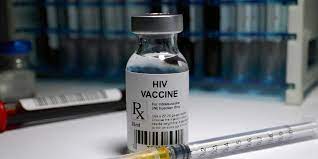
South Africa has commenced the first human trials of a locally developed HIV vaccine, marking a major milestone in the decades-long fight against a virus that continues to claim nearly one life every minute globally.
The initial phase of the trial is underway in Cape Town, where 20 HIV-negative volunteers have enrolled to help researchers assess the vaccine’s safety and effectiveness.
Scientists are seeking to determine whether the candidate vaccine can stimulate the immune system to combat HIV, a virus known for its ability to rapidly mutate and evade detection. The study focuses on triggering the production of “broadly neutralising antibodies” — specialised proteins capable of identifying and neutralising multiple strains of the virus.
The research is being led by the South African Medical Research Council in collaboration with experts from the University of the Witwatersrand (Wits University) and the Desmond Tutu HIV Foundation. The project operates under the Brilliant consortium, an Africa-wide partnership bringing together researchers from South Africa, Nigeria, Uganda, Kenya, Tanzania, Zimbabwe, Zambia and Mozambique.
More than four decades since HIV was first identified, Africa remains the hardest-hit region. South Africa alone has more than eight million people living with HIV. Researchers note that the vaccine candidates being tested were initially identified on the continent before undergoing further development in the United States.
In recent years, scientific advances such as pre-exposure prophylaxis (PrEP) have significantly improved HIV prevention efforts. However, experts say a safe and effective vaccine remains the ultimate goal in curbing new infections.
The launch of human trials represents a crucial step toward developing an African-led solution that could reshape HIV prevention efforts across the continent and worldwide.