Authorities in Argentina have seized more than 700 marine animals allegedly trafficked from Kenya in what conservation groups are describing as a major crackdown on the illegal exotic aquatic wildlife trade.
Massive Wildlife Seizure at Buenos Aires Airport
The operation was carried out on April 26 at Ezeiza International Airport near Buenos Aires.
The bust involved multiple agencies and conservation organisations, including:
- International Fund for Animal Welfare**
- Fundación Temaikèn**
- Argentina’s Environmental Control Brigade
- Customs officials
- Agricultural health authorities
Exotic Marine Species Found in Shipment
Authorities said the shipment contained tropical marine species commonly trafficked for the ornamental aquarium and exotic pet market.
Among the animals recovered were:
- Surgeonfish
- Puffer fish
- Lionfish
- Butterflyfish
- Octopuses
- Crabs
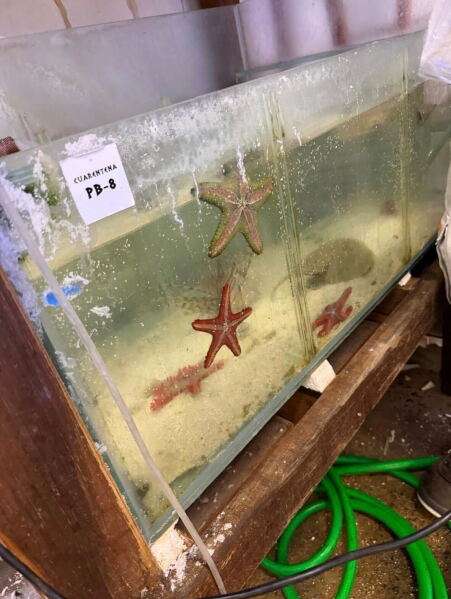
- Starfish
Conservationists reported that many of the animals had already died after spending nearly 120 hours in transit from Kenya, while survivors showed signs of severe stress, dehydration and shock.
Emergency Rescue Operation Launched
Due to the scale of the seizure, Fundación Temaikèn reportedly launched an emergency rescue operation at its rehabilitation centre in Escobar.
Veterinarians and wildlife specialists worked for more than 28 hours to stabilise the surviving animals.
The facility reportedly had to install 10 additional tanks equipped with heating, filtration and specialised water-conditioning systems suitable for tropical marine life.
“Many of these animals were extracted from reef ecosystems and arrived at the limit of survival, after spending days inside transport bags and boxes before the rescue could be carried out,” said Cristian Gillet, wildlife director at Fundación Temaikèn.
Growing Concern Over Illegal Wildlife Trade
Wildlife experts say the seizure highlights the growing global problem of illegal trafficking of marine species for the aquarium trade.
Conservationists warn that the removal of such animals from coral reef ecosystems can severely damage marine biodiversity and fragile ocean habitats.