The Confederation of African Football (CAF) has ordered the FKF to revoke Gor Mahia Football Club’s license.
Gor Mahia FC, commonly known as K’Ogalo are the reigning Kenya Premier League champions.
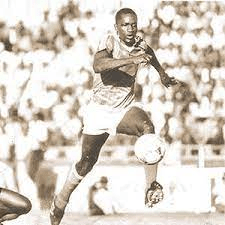
To date, K’Ogalo is the only Kenyan team to have won the prestigious CAF Cup Winners’ Cup in 1987, an achievement that remains unmatched by any other Kenyan club on the African continent.
The champions also face the risk of being barred from participating in the CAF Champions League.
This decision comes after Gor Mahia failed to meet several requirements outlined in the CAF Club Licensing Rules, as announced on Thursday, July 20.
CAF cited that Gor Mahia had not fulfilled critical conditions, including possessing a valid license. The club also failed to provide financial guarantees for three players who have not received their payments.
The three players are Burundian striker Jules Ulimwengu, Congolese attacker Yangayay Sando Sando and Malian goalkeeper Adama Keita. The three, who have since left the club had reported the club to FIFA’s Dispute Resolution Chamber seeking to be paid all their accrued dues.
CAF had instructed Gor Mahia to pay the three players by 5 pm on Thursday, July 20. Failure to pay the players meant K’Ogalo would be locked out of the CAF CL draw.
Consequently, the club will not be able to participate in this season’s CAF Champions League.
Moreover, K’Ogalo may be subjected to a fine of Ksh1.4 million ($10,000) or more. The amount will depend on the decision of the CAF Champions League dispute resolution committee.
The expulsion from the prestigious CAF Champions League is a significant blow to Gor Mahia and Kenyan football. Partly due to the fact that the sport was trying to recover after the ban imposed by FIFA was lifted.
Football experts view the CAF’s decision as a stark reminder for the country to prioritize and adhere to club licensing requirements.
To strengthen the licensing process and stadium inspections for continental and domestic competitions, CAF introduced a new Club Licensing Online Platform (CLOP) in July 2022. This move aimed to streamline the licensing procedures and enhance accountability in football clubs.
Clubs seeking licensing are required to demonstrate financial stability, well-structured offices, and certified personnel.