In recent days, Kenyans have woken up to the news of houses being demolished in Mavoko, Athi River as well as a court ruling about looming evictions in Njiru, Chokaa and Mihang’o areas in Nairobi. What is common in these two incidents is the fact that there are innocent buyers who were duped into illegal land allocations thinking they are legitimately purchasing land in Kenya.
In Kenya, the constitution guarantees everyone the right to own land, but it’s essential to navigate the process correctly to avoid potential pitfalls.
Whether you’re looking for a residential or commercial plot, this article will walk you through the necessary legal procedures and precautions to ensure a smooth land acquisition process.
Step 1: Identify Your Interests Before Purchasing Land in Kenya
Before delving into land purchase, it’s crucial to identify the type of land that aligns with your goals and interests. Kenya offers various categories of land, from residential to commercial, and even mixed-use plots. Your choice will depend on factors like purpose, size, and location.

Step 2: Do a Search at the Land Registry
Once you’ve identified the land of your choice, the next step is to gather all the essential documentation. You’ll need a copy of the title deed of the land you intend to buy, a copy of the seller’s identification card, and a copy of their KRA PIN.
Afterward, proceed to the Land Registry corresponding to the land’s location. At the Land Registry, request a search application form and attach the above documents. The good news is that this process is entirely free and typically takes a maximum of two days to produce results.

Conducting a search is a crucial step in ascertaining the authenticity of the land. It also reveals vital information such as the original owner, acreage, and any encumbrances attached to the property.
Step 3: Confirm Any Unpaid Land Rates
In addition to the search, it’s essential to ensure there are no unpaid land rates connected to the land you intend to purchase. This requires another search, but this time this is done at the county office where the land is located.
There is usually a fee associated with this search, which varies from county to county. It’s vital to discuss with the seller who will cover these costs, ensuring a smooth transaction.
Step 4: Get the Land Map Before Purchasing Land in Kenya
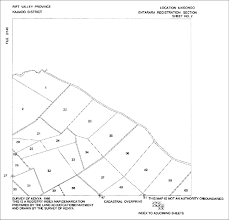
The next step is to obtain at least two land maps for the property. These maps can be acquired from the Land Registry or a local surveyor. One map provides detailed measurements, while the other offers an overview of the land and its neighboring plots.
Each map typically costs around 300 to 350 Kenyan Shillings.
Step 5: Land Verification
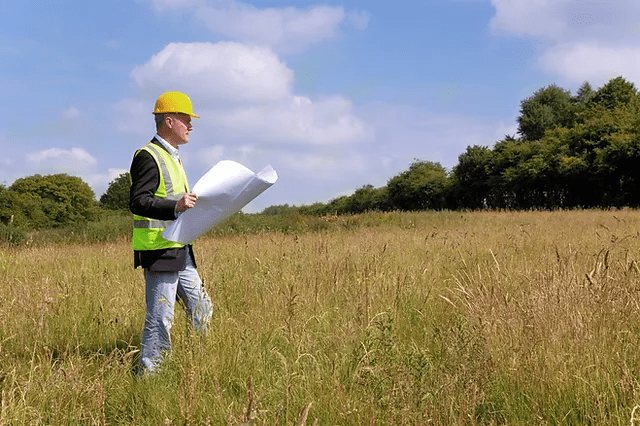
Having acquired the land maps, it’s time to physically verify the property with the help of a surveyor and the seller. This step is crucial to ensure that everything aligns with what’s on the map. It is advisable to visit the site before purchasing land in Kenya.
It is also vital to set beacons once the land is surveyed to prevent future misunderstandings or disputes.
Step Six: Sale Agreement
With all previous steps completed, it’s time to draft a sale agreement with the assistance of a lawyer. The sale agreement covers essential factors like the purchase price, payment method, and payment mode.
An agreement is vital because it offers legal protection in case either party fails to fulfill their obligations.
Step 7: Land Control Board Clearance
After agreeing to purchase land in Kenya, you’ll need to acquire clearance from the Land Control Board. The board usually consists of the county commissioners and local elders of the area where the land is located. This clearance ensures that the land transaction is transparent and free of any illegalities.
The lands control board typically meets monthly, with dates varying between counties. The cost of attending these meetings ranges from one thousand to five thousand Kenyan Shillings, depending on the urgency.
Step 8: Land Valuation
After receiving approval from the Land Control Board, you’ll need to complete a valuation form and apply for land valuation at the Land Registry. This process is essential for calculating the stamp duty, which is typically based on the land’s value and location.
Ensure the sale agreement clearly specifies who is responsible for paying the stamp duty to avoid any confusion.
Step 9: Transfer of Land
Once the stamp duty is settled based on the land’s valuation, proceed to apply for the transfer of the land through the Land Registry. Both the buyer and seller will need to sign the necessary transfer forms.
The seller should bring the Land Control Board Consent Form, KRA pin, two passport-size photos, the old title deed, and the sale agreement.
The change of ownership typically takes around three weeks and costs approximately 1,000 to 2,000 Kenyan Shillings.
Step 10: Final Step to Purchasing Land in Kenya
At this stage, the seller will receive the new title deed, indicating the transfer of ownership. It’s essential for the seller to pay the required stamp duty, which is calculated based on the land’s value and location.
In municipalities, you pay 4 % of the sale value, while in localities, you pay 2%.
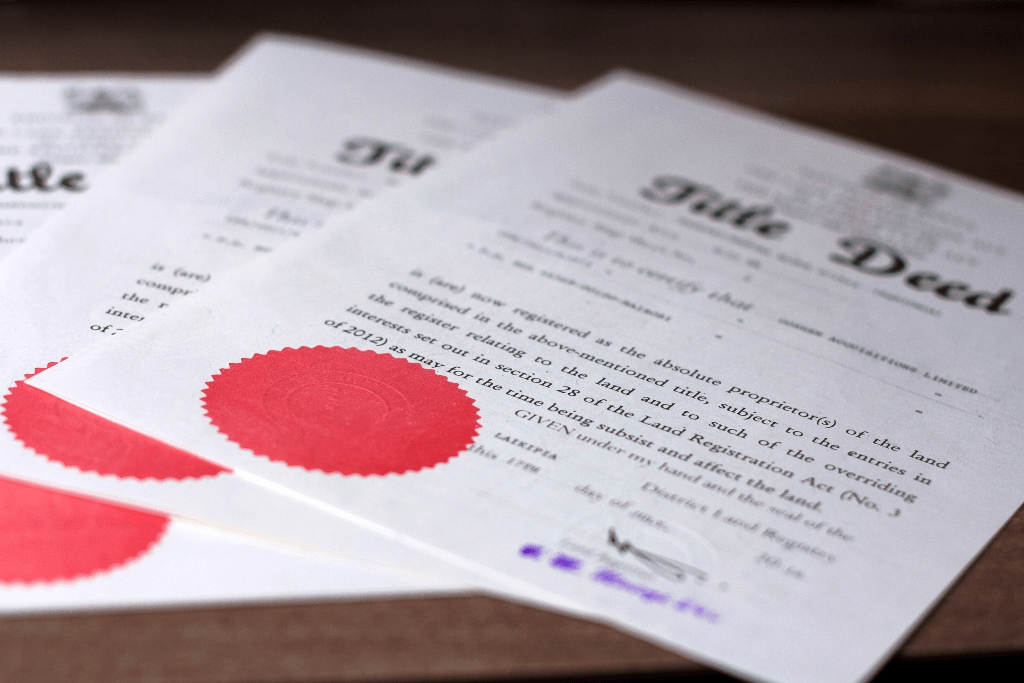
After the final step, it’s prudent to conduct another search at the Land Registry to confirm the successful transfer of the land into your name.
Once confirmed, you can celebrate becoming a proud landowner in Kenya.