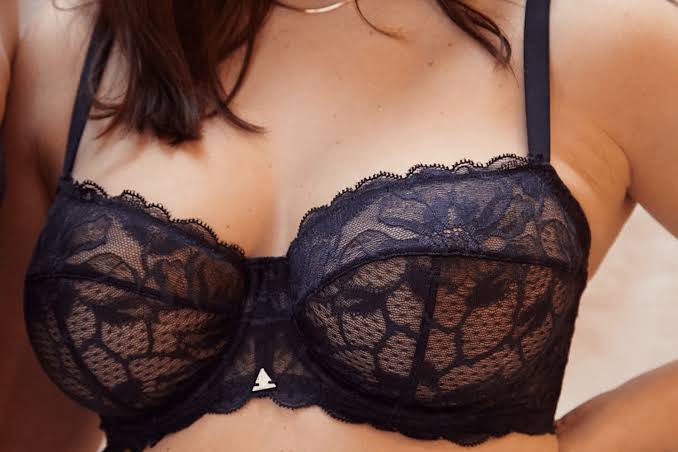
Beyond being a fashion statement, the right bra can significantly impact comfort, confidence, and overall health. However, many women find how to choose the correct bra size a challenging task.
Understanding the Basics
A bra size typically comprises two components: the band size (a numerical value) and the cup size (a letter). The band size corresponds to the measurement around your ribcage, just beneath the bust, while the cup size indicates the volume of the breast.
Measuring Your Band Size
Use a soft measuring tape and wrap it snugly around your ribcage, just below the bust. Ensure the tape is parallel to the ground, and take a comfortable, rounded measurement.
If the measurement is an even number, that’s your band size. If it’s an odd number, round up to the nearest even number.
Selecting the Cup Size
Again, use a soft measuring tape and wrap it around the fullest part of your bust while keeping it parallel to the ground. Subtract your band size from this measurement. The difference corresponds to your cup size according to the following scale:
- 1 inch difference: A cup
- 2 inches difference: B cup
- 3 inches difference: C cup
- 4 inches difference: D cup
…and so on.
Expert Advice
“A common misconception is that a smaller band size automatically means a larger cup size. Remember, cup size is relative to band size. A 34C bra has a different cup size than a 38C bra,” says lingerie expert, Dr. Rachel Thompson.
Considering Different Bra Styles
Once you’ve established your basic size, it’s essential to recognize that different bra styles may fit differently.
Bras come in various designs, including balconette, plunge, push-up, and sports bras, each catering to specific needs and outfits. Experiment with different styles to find what suits your body shape and lifestyle.
Expert Advice
Renowned bra designer, Lisa Marshall, advises, “When trying on bras, don’t just stick to one style. Different bras are designed to enhance different features. A plunge bra might be perfect for a low-cut dress, while a sports bra ensures maximum support during workouts.”
Common Mistakes to Avoid
Achieving the right bra fit requires attention to detail and avoiding common mistakes.
One prevalent error is neglecting the importance of regular bra fittings. A woman’s body can change due to factors like weight fluctuations, hormonal shifts, or aging, necessitating periodic reassessment of bra size.
Expert Advice
“Our bodies are dynamic, and so is our bra size. It’s advisable to get professionally fitted at least once a year or whenever you notice changes in your body,” suggests Susan Wright, a lingerie store manager with over two decades of experience.
Choosing the Right Fabric
The fabric of your bra can significantly impact comfort. Soft, breathable fabrics like cotton are ideal for everyday wear, while lace and satin add a touch of glamour.
However, for high-impact activities or warmer climates, moisture-wicking and breathable materials become crucial.
Expert Advice
Textile technologist, Dr. Lauren Adams, emphasizes, “Consider the climate and your activities when selecting a bra. Moisture-wicking fabrics help keep you cool, while seamless options prevent chafing during workouts.”
The Importance of Comfort
While aesthetics play a role in selecting bras, comfort should always be a priority. An ill-fitting bra can lead to discomfort, skin irritation, and even posture issues.
Pay attention to how the bra feels throughout the day, ensuring the band stays in place, the straps don’t dig into your shoulders, and the cups provide ample coverage.
Expert Advice
Orthopedic specialist, Dr. Emma Harrison, warns, “Chronic discomfort from an ill-fitted bra can lead to musculoskeletal problems, affecting your posture and overall spinal health. Prioritize comfort to safeguard your well-being.”
Incorporating Lifestyle Factors
Consider your lifestyle when choosing bras. If you lead an active life, invest in a well-fitted sports bra to minimize bounce during workouts.
For everyday wear, seamless bras offer versatility and smooth lines under clothing. Special occasions may call for unique styles, such as strapless or convertible bras.
Expert Advice
Lifestyle consultant, Sarah Collins, suggests, “Tailor your bra collection to your lifestyle. Having a variety ensures you’re prepared for any occasion, from the gym to a night out.”
Shopping for Quality
While budget considerations are valid, investing in quality bras pays off in the long run.
Quality bras offer better support, durability, and comfort. Look for reputable lingerie brands known for their craftsmanship and commitment to using high-quality materials.
Expert Advice
Lingerie connoisseur, Emily Roberts, advises, “Quality matters when it comes to bras. A well-made bra not only lasts longer but also provides the support your breasts need.”
Conclusion
Choosing the correct bra size is a journey that combines science, fashion, and personal preference.
By understanding the basics, considering different styles, avoiding common mistakes, and prioritizing comfort, you can elevate your bra game and enhance your overall well-being.
Remember, choosing the correct bra size is an ongoing process, and periodic reassessment ensures your bras evolve with your body. With expert advice guiding your choices, you’ll discover that the art of comfort begins with selecting the right bra size.