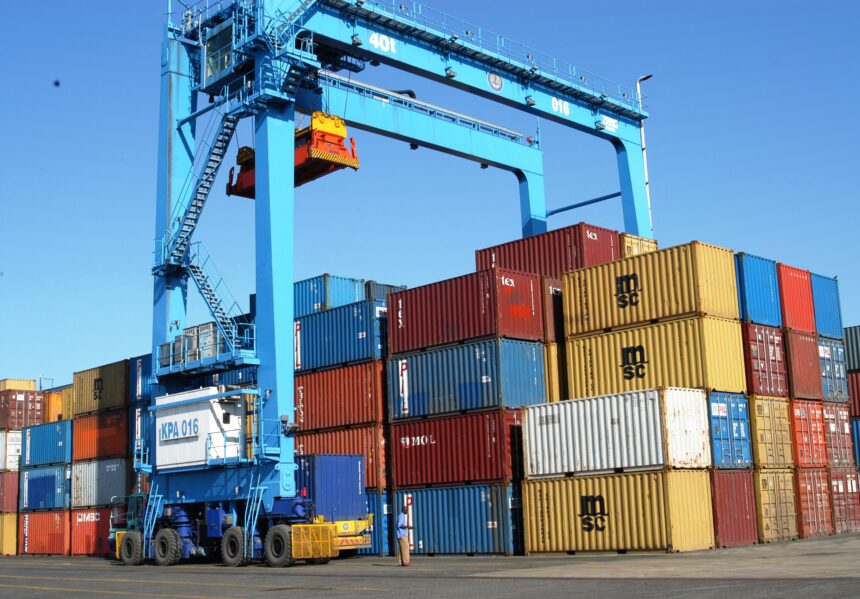
Details have now emerged regarding the consignment of contaminated sugar that was intercepted by authorities at the port of Mombasa.
Worryingly, it is now emerging that there was potential for the contaminated sugal to have made its way to the market. There are now questions emerging surrounding the quality and distribution of sugar in Kenya which is bound to shake the local market’s trust.
Initially, a logistics company overseeing the importation of sugar worth Ksh214 million at the Port of Mombasa faced scrutiny after part of the shipment was declared unfit for human consumption.
Denying allegations of premature release into the market, the company, Mitchell Cotts Container Freight Station, assured the public that the seized sugar remained securely held at Kenya Ports Authority warehouses.
The company further explained that the tainted sugar, comprising 8,025 waterlogged bags, awaited destruction under official supervision.
Simultaneously, the officials at Mitchell Cotts in Mombasa refuted claims of tainted sugar entering local markets. Samples were taken for testing by the Kenya Bureau of Standards (KEBS), with the CFS director affirming that no contaminated sugar had been released for consumption.
The consignment, imported from Mauritius, encountered mishaps during transit, leading to water seepage into several containers. According to CFS reports, the ship partially sunk for over twenty-four hours outside the Kilindini channel.
Despite concerns, the CFS assured that proper segregation measures were in place, with contaminated bags stored separately pending destruction.
Further complicating matters, the freight company confirmed that the controversial sugar was imported by one of its employees, Rehema Badi, adding another layer of scrutiny to the unfolding scandal.
In response to mounting concerns, a multi-agency team, including officials from the Directorate of Criminal Investigations (DCI), Kenya Revenue Authority (KRA), Kenya Bureau of Standards (KEBS), and Kenya Ports Authority, will conduct re-testing on the seized consignment. This exercise, they hope, will provide clarity on the sugar’s quality and determine whether it poses health risks to consumers.