Kenya’s diverse array of musicians and singers from various regions are strongly voicing their opposition to the government’s proposed method of collecting their royalties through eCitizen.
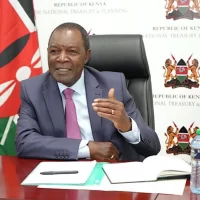
This outcry follows remarks made by Public Service Cabinet Secretary (CS) Moses Kuria, who recently proposed amending the Copyright Act to establish a Collective Management Organisation (CMO) under governmental auspices, charged with the task of collecting artists’ royalties.
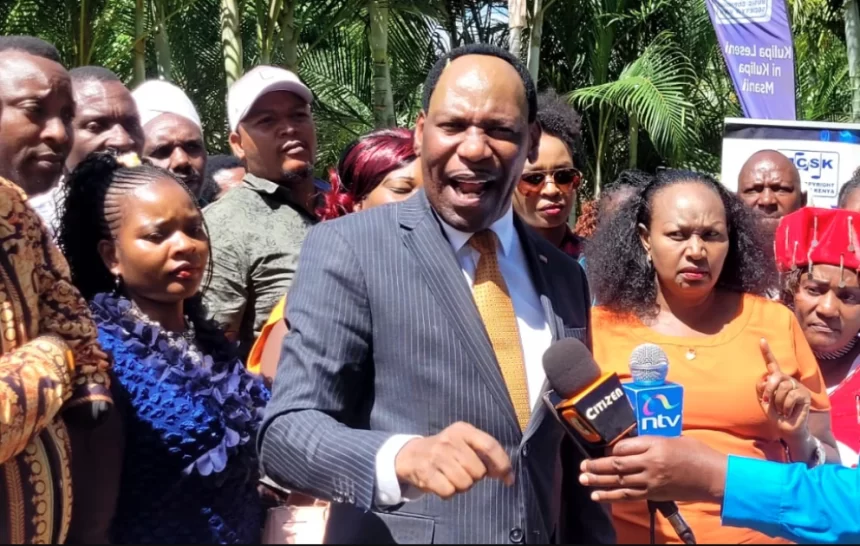
Ezekiel Mutua, CEO of the Music Copyright Society of Kenya (MCSK), expressed firm dissent during a press conference held after the Annual General Meeting (AGM) in Maanzoni, Machakos County on Friday.
Mutua argued that this approach would be ineffective, highlighting the government’s lack of involvement in music production and asserting the principle that copyright constitutes private property. He urged the government to reconsider this move, cautioning against potential legal disputes it could trigger.
Furthermore, Mutua warned of potential damage to President William Ruto’s reputation, stressing the impossibility of regulating private rights.
Echoing Mutua’s sentiments, MCSK Chairman Lazarus Muli underscored the importance of safeguarding private rights and recognizing the personal nature of music, which necessitates protection. Muli urged the government to take a proactive role in upholding laws to safeguard music and ensuring just compensation for its creators.
He emphasized that with robust enforcement, Kenyan musicians could ascend to become some of the wealthiest on the continent, even as he lamented reports of certain musicians opposing these efforts.