In the quiet mornings of the remote Kaingirisae village located in Turkana Central subcounty of Turkana County, the sun rises everyday to lives of a community hardened and shaped by climate-induced hardships and a forced resilience.
Here in this remote village, 11-year-old David Losike and his 7-year-old brother Titus Akono have grown used to waking up to the familiar ache of empty and rumbling stomachs.
Sleeping hungry isn’t new to them, their 4-year-old twin sisters, or their 38-year-old mother. Life has been a steep climb since the family lost their father to a venomous snake bite while herding livestock a few years ago.
Since then, survival has become a team effort in a home where food is scarce and every member carries a share of responsibility. And complaints is something you will rarely ever hear from this family of five.
Notably, the boys’ only meal the previous day was a handful of Ng’akalalio—wild fruits from Ziziphus mauritiana, which they picked while tending to their few remaining goats and sheep the day before. It’s a routine they’ve learned to navigate, balancing the demands of survival in a dry Turkana county.
A Childhood Shaped by Climate and Responsibility
Like many families in arid and semi-arid lands across Kenya and Eastern Africa, Losike’s family has felt the full weight of the climate-change crisis.
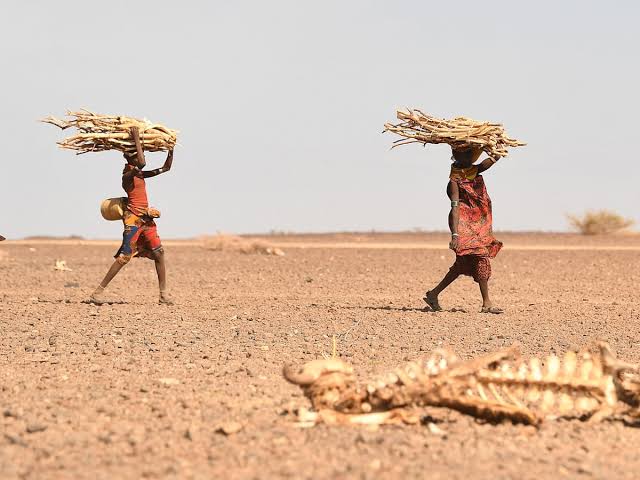
In 2024 alone, floods and drought displaced families, destroyed infrastructure, and disrupted education for millions of children. In Kenya, over two million learners missed school due to climate-related disasters. Across the wider Horn of Africa, drought, hunger, and disease have kept an estimated 2.7 million children out of classrooms according to Unicef.
Turkana County is widely recognized as one of the most hardship-stricken areas in Kenya. It faces a multitude of challenges, including extreme poverty, high rates of malnutrition, and vulnerability to climate change and other disasters.
In this tough environment, Losike and Titus have grown up fast. And the same can be said for every son and daughter unfortunate enough to be born in such an environment.
Every morning, they wake up, sling their school bags over their shoulders, wish their mother and sisters a good day, and head to the goat pen.
By sunrise, they’re herding the family’s 12 goats and 4 sheep out to graze. Their mission is to let the animals feed before 9 am, when older cousins take over so the boys can dash to school, hoping to catch some education…and of course, a government-sponsored meal through the school feeding programme.
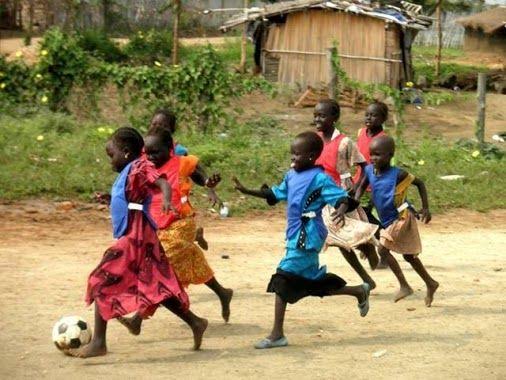
But school isn’t a haven of carefree childhood moments. Even during the 10:45 am break, while other children kick around makeshift balls, chase each other around, and laugh from the fun from the school games, Losike and his brother use those precious minutes to check on the livestock and their cousins in the nearby dry forest.
In Turkana, losing animals isn’t just a setback—it’s a threat to survival. Wild animals, cattle rustlers, and the unforgiving environment mean a moment’s inattention can cost a family dearly.
But checking on the animals is not a walk in the park. They have to run around dodging thorny shrubs, wild animals, and without a sense of bearing of where the herds may have wandered off, since when grazing, they cannot stay in one location.
When the boys finally return to class, the hunger pangs are even sharper than before, their energy drained, and concentration levels really low. They however are not about to give up. They push through until lunch hour when the lunchtime bell is the call everyone has been waiting for as evident from the smiles that lit up the learners’ faces.
Within minutes, classes are drained as the children rush out to the makeshift school kitchen. The school cook is everyone’s favourite person at this moment, as he dishes out small portions of githeri—a simple mixture of boiled beans and maize with some salt seasoning— which offers a brief nutritious reprieve.
Afterward, the routine picks up again since in this area, survival is everything. The little men rush back to class, pick their books, and off they run into the forest, having called it a day. Their mission, go and take over grazing and browsing from their supportive elder kin.
The boys are lucky they have cousins who are willing to allow them some time in school while they watch over all the animals. But these cousins are not a day over 16 years, and in essence, they should also be in school.
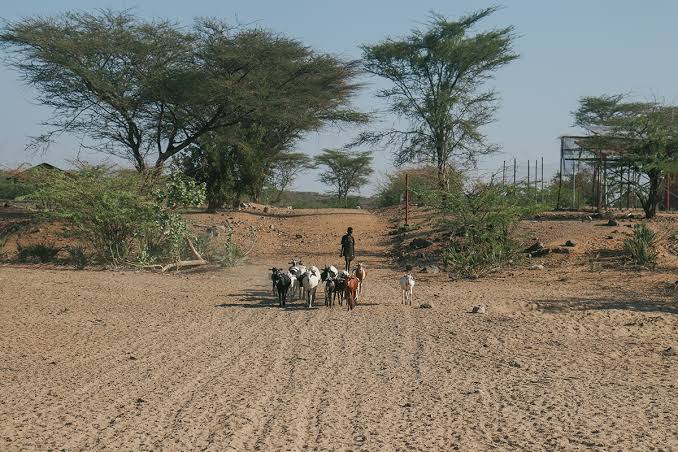
However, if they were to go to school, this means that no one in the community will have time to take care of the animals – yet pastoralism is this community’s livelihood.
And so the community is happy to let them miss school and act the role of ‘adults’, just so livelihoods can continue. And such is their culture, every day, every month, every year.
The Unseen Loss: A Childhood Without Play
By evening, as the sun begins its descent, the boys drive the animals to the village borehole for watering before heading home.
Back at home, their mother greets them with a brave smile, grateful to have her sons back safely. The evening meal is modest—wild fruits and whatever milk can be spared from their only lactating goat. But the milk is prioritised for the little children. As for the boys, it is another evening where Ng’akalalio is the main course. For this family, every safe return, every day’s survival, is a quiet victory.
What might seem ordinary for Losike and his brother is, in reality, a childhood sacrificed. Amid their daily struggles, something precious slips away—the simple, universal right to be children, the right to not carry heavy responsibilities, but most importantly, the right to play.
Across Kenya’s arid counties, this is not uncommon. Children are thrust into adult responsibilities far too soon. And they are happy with this arrangement, because this is what is expected of them.
In the urban areas, a different kind of threat to playtime has also emerged. Technology, with its screens and virtual worlds, has lured children indoors, replacing physical games with digital distractions.
Slowly, the culture of outdoor play is fading, taking with it essential opportunities for growth.
Why Play Matters
Play is more than a way for children to pass the time. It’s a vital ingredient in childhood development, influencing physical, cognitive, social, emotional, and language skills.
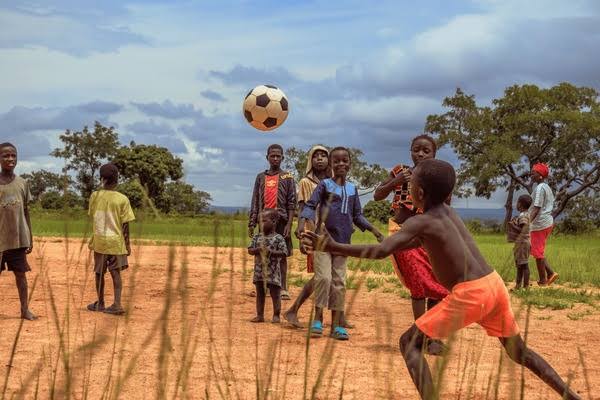
Through play, children learn about themselves and the world around them. They develop resilience, problem-solving abilities, empathy, and physical coordination. It’s through chasing, climbing, pretending, and laughing that children build the skills needed for life.
Recognizing this, the United Nations General Assembly, in collaboration with organizations like the International Play Association, LEGO Foundation, Save the Children, and UNESCO, declared June 11th as the International Day of Play in 2024.
This global initiative champions the importance of play for children’s well-being and development, reminding communities, governments, and families to prioritize it.
“Choose Play – Every Day”
The 2025 theme for the International Day of Play is “Choose Play – Every Day.” It’s a simple yet powerful call to action for everyone—parents, teachers, policymakers, and businesses—to create environments where play is protected and encouraged.
Whether it’s ensuring safe playgrounds in urban areas or giving children in rural communities like Turkana a chance to experience carefree play, every effort counts.
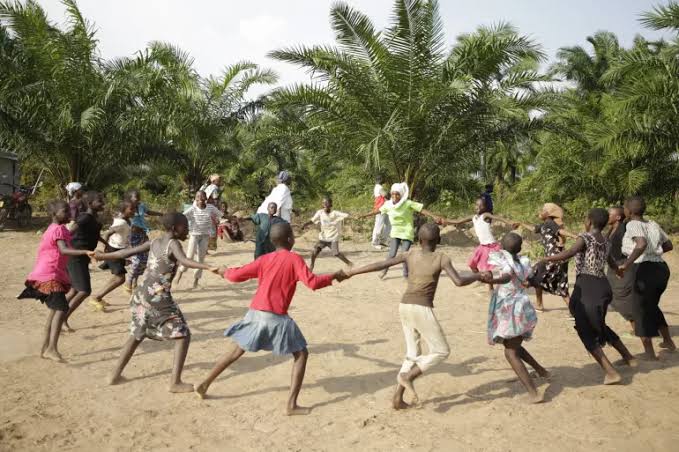
As the world marks this important day, the story of Losike and his brother offers a sobering reminder of the children who, through no fault of their own, miss out on this crucial part of growing up. Their days are filled with responsibilities and a fight for survival, while their childhoods quietly passing by without the laughter and freedom that play brings.
A Call to Remember Childhood
In celebrating the International Day of Play, let’s remember children like Losike. Let’s advocate for policies and programs that offer safe spaces, support school attendance, and integrate play into daily routines. And as communities, let’s bring back the joy of play—not just on June 11th, but every day.
Because no child should grow up without it.