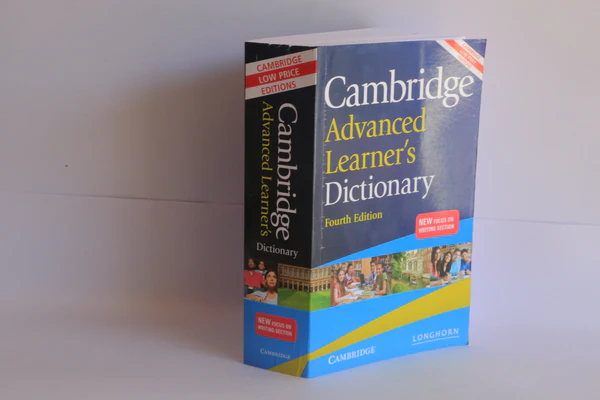
Popular internet slang terms like “skibidi,” “delulu,” and “tradwife” are now officially recognized in the Cambridge Dictionary after being added among 6,000 new entries to its online edition.
Why These Slang Words Were Added
According to linguistic experts at Cambridge (Cambridge University Press), the decision was made because the terms have evolved beyond short-lived online fads. Instead, they have gained what scholars call “linguistic staying power” through consistent use across social media platforms, mainstream media, and pop culture.
The dictionary highlighted the fact that such words have been popularized by global figures and internet communities. For instance:
- “Skibidi” rose in popularity through meme culture and viral internet trends, often tied to celebrities like Kim Kardashian.
- “Tradwife” refers to women who embrace traditional gender roles, associated with influencers like Hannah Neeleman.
- “Delulu”, short for delusional, has been used humorously online to describe someone who is out of touch with reality. Recently, even Australian Prime Minister Anthony Albanese was linked to the phrase “delulu with no solulu.”
Cambridge Dictionary’s Explanation of “Delulu”
The dictionary defines delulu as a shortened form of “delusional,” describing someone who is clueless or unable to figure out a practical solution in a given situation. This reflects how Gen Z and millennials have adapted language to express complex feelings in simplified, catchy forms.
Internet Culture Meets Mainstream Language
Experts note that the addition of these words signals how internet slang is shaping modern English at a rapid pace. Words once seen as jokes or niche memes are now entering dictionaries alongside formal vocabulary.