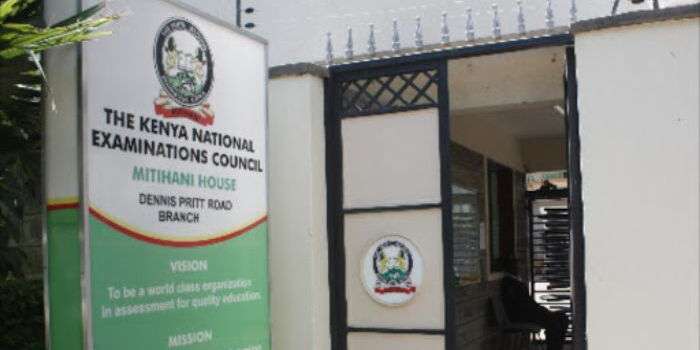
Preparations for national examinations in Kenya have been thrown into uncertainty after the Kenya National Examination Council (KNEC) became entangled in a tax evasion probe involving a Greek printing firm contracted to produce exam materials.
The firm, Inform Lykos (Hellas) SA, is under investigation by the Kenya Revenue Authority (KRA) over allegations that it under-declared invoices, leading to a potential tax loss of nearly Sh700 million.
According to reports, the company secured a Sh2.8 billion contract to print national exams under Delivery Duty Paid (DDP) terms, which required it to remit approximately Sh781 million in taxes, including VAT. However, when the materials were delivered, invoices submitted reflected a significantly lower value of about Euro 4.2 million, translating to tax payments of only Sh132 million.
Customs officials now suspect that the under-declaration may have resulted in a tax shortfall of over Sh649 million, with additional penalties likely to push the total liability close to Sh1 billion.
KRA has since launched a formal investigation, issuing a notice to KNEC requesting key documentation, including contracts, invoices, payment schedules, and delivery records dating back to January 2020. Officials from KNEC and a local logistics firm involved in clearing the materials have already been questioned as part of the ongoing probe.
Amid the unfolding scandal, KNEC is reportedly considering suspending its engagement with Inform Lykos to avoid potential disruptions in the printing of Form Four, Grade Nine, and Grade Six examinations. The council is currently consulting the Ministry of Education on the way forward.
The controversy has raised concerns about the timely preparation of national exams, with fears that legal battles or procurement delays could derail the process.
Notably, Inform Lykos previously handled the printing of Kenya’s 2022 general election ballot papers, as well as last year’s national exams, making the current allegations a significant blow to its reputation.
As investigations continue, the outcome could have far-reaching implications not only for the firm but also for Kenya’s examination system and future government procurement processes.