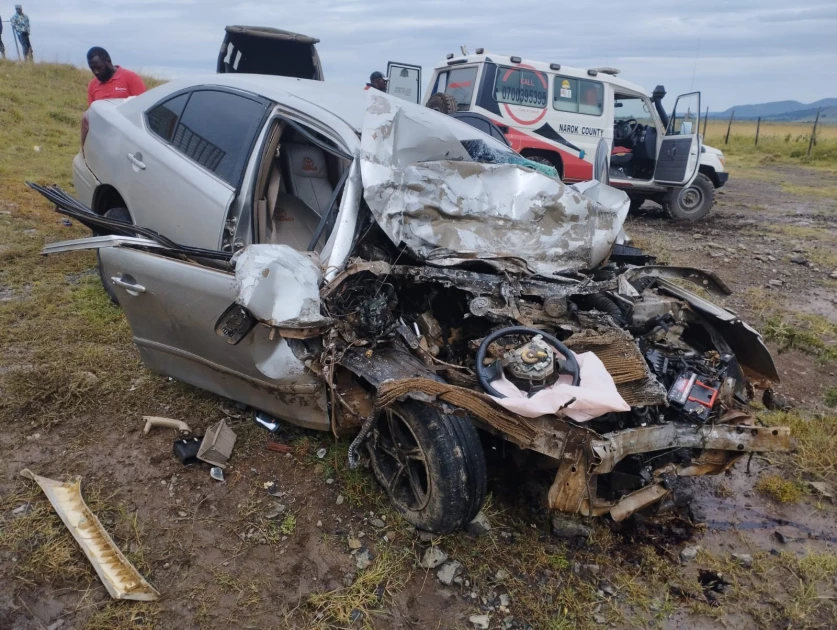
Kenyan motorists are set to face heightened road checks this Easter after the National Transport and Safety Authority and the National Police Service announced a nationwide enforcement campaign aimed at curbing accidents.
In a joint statement, the agencies confirmed that traffic officers will be deployed across major highways, supported by speed cameras and sobriety checkpoints positioned at high-risk locations. The operation is designed to deter reckless driving and ensure compliance with traffic laws during the busy holiday period.
Authorities warned that common violations—such as overspeeding, drunk driving, improper lane discipline, dangerous overtaking, and operating unroadworthy vehicles—remain the leading causes of crashes on Kenyan roads.
“Let us arrive alive and celebrate with our loved ones. Drive responsibly,” the statement urged, appealing to road users to prioritise safety.
The intensified crackdown comes against a troubling backdrop of rising fatalities. According to NTSA data, more than 1,100 people have died in road accidents within the first three months of 2026 alone, with counties such as Murang’a and Kiambu among the hardest hit.
Speaking during a public forum in Murang’a County on March 22, Njeri Kuria expressed concern over the growing death toll, noting that the figures reflect a worsening trend.
“These numbers are nothing to be proud of. Last year alone, we lost over 5,000 lives. This year alone, we have lost over 1,100 people. I urge you to remain vigilant on roads,” she said.
Official records show that 5,009 people died in road accidents in 2025, up from 4,748 in 2024. Pedestrians accounted for the highest number of deaths at 1,685, followed by motorcyclists and passengers.
On average, Kenya continues to record about 12 deaths daily from road crashes—a stark reminder of the risks facing road users.
With travel expected to surge over the Easter holiday, authorities are urging motorists and pedestrians alike to exercise caution, comply with traffic regulations, and take personal responsibility to reduce preventable loss of life.