A woman from Bungoma County has publicly come forward to support First Lady Rachel Ruto following widespread debate over a testimony she shared during the 2026 National Prayer Breakfast Women’s Convocation.
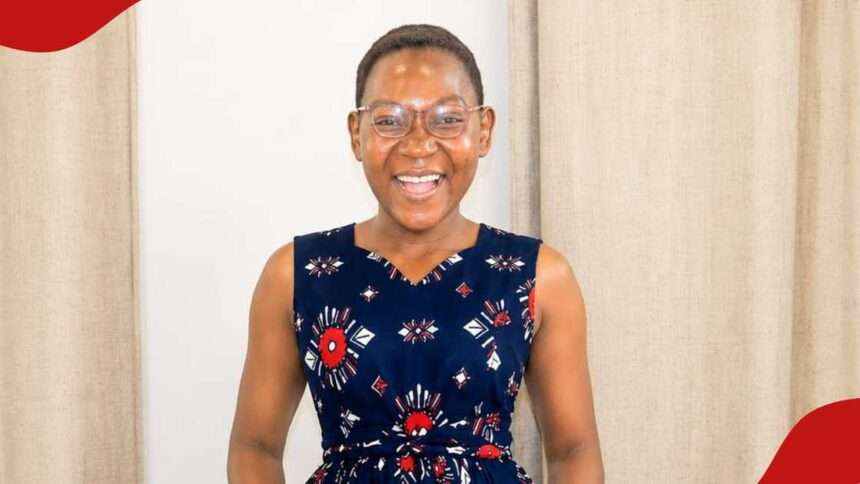
Matilda Nekesa Makhala, a trained journalist, says she is the woman referenced by the First Lady in a story about prayer, faith, and motherhood after years of struggling with pregnancy loss.
Speaking during an interview, Nekesa revealed that she attended a women’s empowerment meeting in 2012 while going through one of the most difficult periods of her life. According to her account, she had suffered five consecutive pregnancy losses and had also experienced a divorce, leaving her emotionally devastated and uncertain about her future.
Nekesa says she received prayers from Rachel Ruto during the event and continued holding onto hope despite the challenges she was facing.
From Heartbreak to Motherhood
The Bungoma resident explained that years later, her life took a different turn. She remarried in 2017 and eventually gave birth to twin girls, an outcome she considers a blessing after years of disappointment and grief.
Her remarks come after social media users questioned the testimony shared by the First Lady, with some demanding proof of the story and others expressing skepticism about miracle claims.
Nekesa said she decided to speak publicly on her own initiative and was not paid or influenced to do so.
According to her, her decision was motivated by a desire to clarify the story and defend what she believes to be a genuine personal experience.
Wants to Reconnect With Rachel Ruto
The journalist also expressed a wish to reconnect with the First Lady and introduce her twin daughters, whom she credits as part of the blessing she received after the prayers years ago.
She said she hopes the children can one day meet Rachel Ruto and receive a personal blessing from her.
The revelation has reignited conversations online, with supporters viewing the story as a testimony of faith and perseverance, while critics continue to debate the role of personal testimonies in public discourse.
Regardless of differing opinions, Nekesa maintains that her experience is real and that she felt compelled to share her story publicly after seeing the controversy surrounding the First Lady’s remarks.