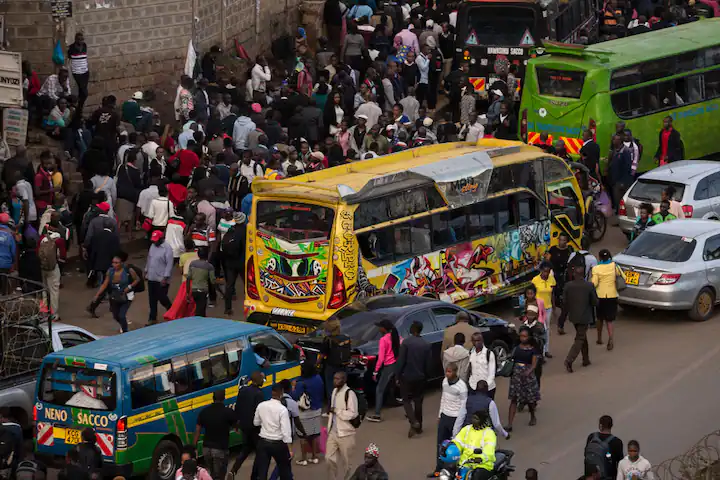
Nairobi, Kenya – Monday, January 7, 2026, 10:15 PM (EAT) — A standoff between the government and stakeholders in the matatu sector remained unresolved Monday night after hours of negotiations failed to break a deadlock that has paralysed public transport across Kenya.
Talks led by Transport Cabinet Secretary Davis Chirchir and Energy Cabinet Secretary Opiyo Wandayi stretched late into the evening. However, by the time both sides addressed the media at around 9:30 p.m., they had not reached a final agreement.
Matatu Leaders Reject Claims of Breakthrough
During a joint press briefing, Wandayi initially indicated that the discussions had made progress. However, matatu sector officials interrupted the briefing and insisted that negotiations were still incomplete.
Stakeholders later confirmed that they had only agreed on measures aimed at addressing fuel adulteration, one of the key issues raised during the strike.
According to the operators, the proposal seeks to align the prices of diesel and kerosene to eliminate illegal fuel mixing driven by price differences.
“We have agreed on the part of adulteration that the price of diesel and kerosene be at par,” said Kushian Muchiri, Chairperson of the Association of Matatu Transport Owners.
“On the issue of diesel prices, we have not agreed, and we have scheduled another meeting.”
Operators Order Vehicles Off the Road
Despite the partial consensus, matatu operators maintained their hardline stance and directed drivers to keep vehicles off the roads.
“In the meantime, it is our request that all our drivers and owners continue keeping their vehicles at home. No disruption, no rioting, as we await better engagements that will save the economy,” Muchiri added.
Meanwhile, Matatu Owners Association President Albert Karagacha instructed operators nationwide to continue the strike for a second consecutive day on Tuesday until further notice.
The decision is expected to worsen the transport crisis that stranded thousands of commuters on Monday. Businesses, schools, and workers across major towns reported severe disruptions throughout the day.
Government Expected to Announce New Fuel Prices
The government said the Energy and Petroleum Regulatory Authority (EPRA) would announce revised fuel prices later Monday night.
The fuel pricing dispute has become the centre of the conflict between the government and the public transport sector. Operators argue that rising diesel prices have made business unsustainable.
As previously reported by Sauce.co.ke, transport operators have repeatedly warned that high fuel prices, taxation, and operating costs are pushing many matatu businesses to the brink.
Background: Why the Matatu Sector Is Protesting
The current standoff began after matatu operators demanded government intervention over rising fuel costs and alleged fuel adulteration.
Operators claim that the widening gap between diesel and kerosene prices encouraged illegal mixing of fuel, which they say distorted the market and increased operational costs.
The strike has now triggered nationwide commuter delays, especially in Nairobi, Mombasa, Kisumu, Nakuru, and Eldoret.
What Happens Next
Both sides are expected to resume negotiations in the coming days. However, until a deal is reached, thousands of Kenyans could continue facing transport disruptions and rising travel costs.
Analysts warn that a prolonged strike could affect productivity, school attendance, and supply chains if the impasse drags on.