The East African Community has approved a series of temporary changes to import duty rates under the Common External Tariff (CET), allowing partner states to adjust tariffs on selected imports for one year.
The changes, published in the East African Community Gazette under the Protocol on the Establishment of the EAC Customs Union, grant Kenya, Uganda, Tanzania, Rwanda and Burundi temporary exemptions and tariff adjustments to support national industrial and economic priorities.
According to the gazette notice, the Council of Ministers exercised its powers under Articles 12(3) and 39(1)(c) of the EAC Customs Union Protocol to suspend or vary the standard CET rates on specified goods for a period of one year.
Higher Import Duty on Baby Diapers
To support local manufacturing, Kenya, Uganda and Tanzania will suspend the standard 25 per cent Common External Tariff on imported baby diapers.
Instead, the three countries will impose a 35 per cent import duty for one year, representing a 10-percentage-point increase.
New Tariffs on Mitumba
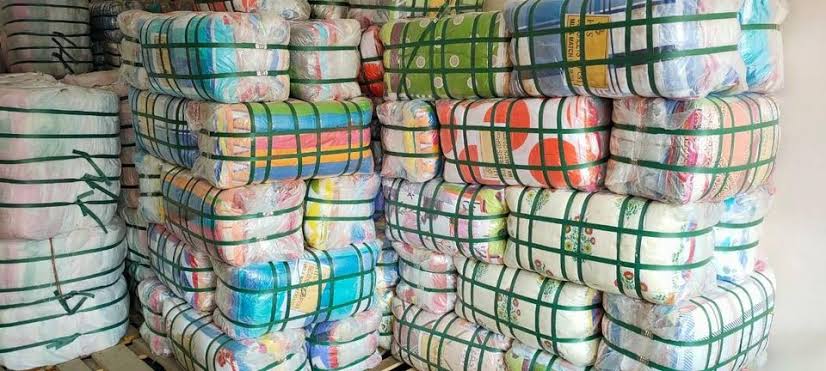
The Council also approved revised import duties on second-hand clothing, footwear and other used articles (mitumba).
- Uganda, Burundi and Tanzania will apply a 35 per cent import duty on worn clothing, footwear and other used articles for one year, replacing the previous CET rate of 35 per cent or US$0.40 per kilogram, whichever is higher.
- Kenya will impose an import duty of 35 per cent or US$0.20 per kilogram, whichever is higher, on second-hand clothing for one year.
Rwanda Imposes Toughest Measures
Among EAC member states, Rwanda adopted the strictest tariff regime.
For one year, the country will impose:
- US$2.50 per kilogram on imported second-hand clothing.
- US$5.00 per kilogram on imported second-hand footwear.
These rates replace the standard Common External Tariff of 35 per cent or US$0.40 per kilogram, whichever is higher.
One-Year Temporary Measures
The approved tariff adjustments are temporary and will remain in force for one year, after which the EAC Council may review, extend or revise them depending on regional trade and industrial policy objectives.
The measures are intended to give partner states greater flexibility in protecting domestic industries while operating within the framework of the EAC Customs Union.