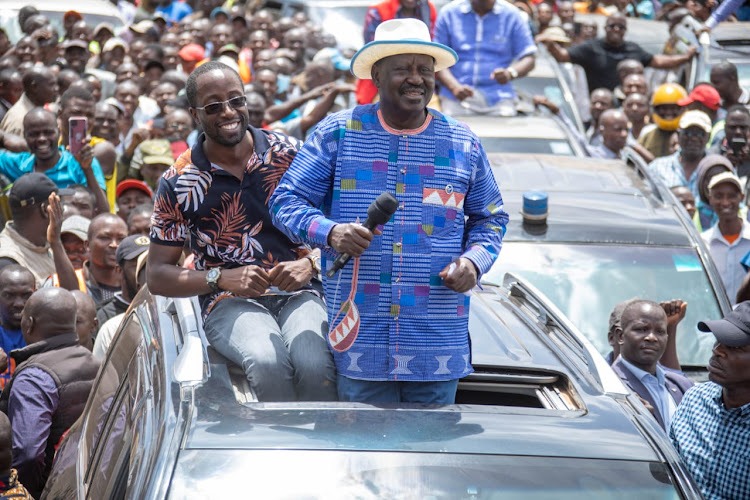
The right to protest is enshrined in the constitution of Kenya under Article 37. It states that: “Every person has the right, peaceably and unarmed, to assemble, to demonstrate, to picket, and to present petitions to public authorities.”
The right to protest is also affirmed by international instruments to which Kenya is a signatory. These include the African Charter on Human and People’s Rights and the International Covenant on Civil and Political Rights.

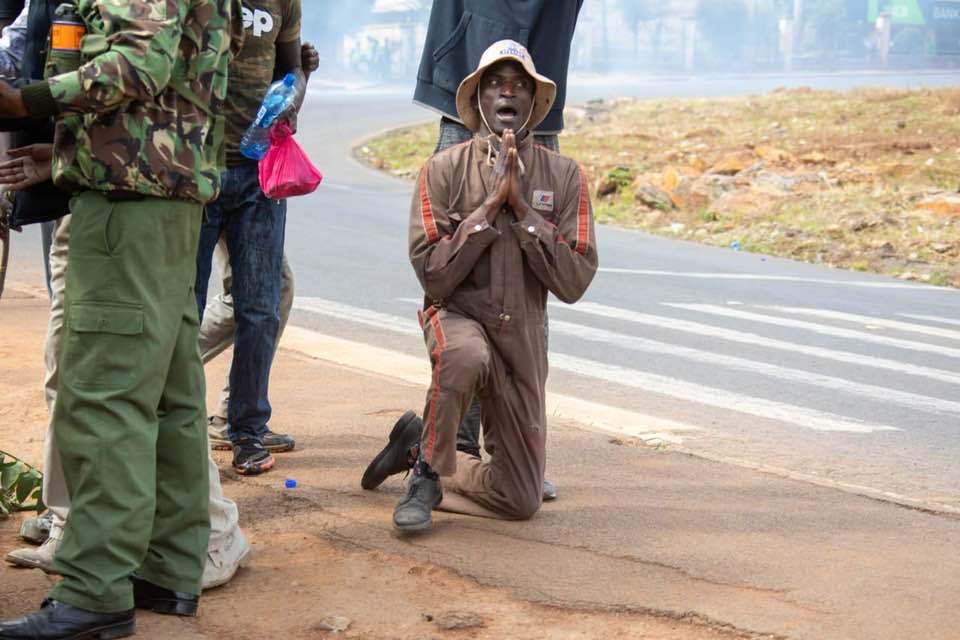
However, successive Kenyan governments have repeatedly criminalised the right to protest. As a result, the police consistently react with brute force against protesters.
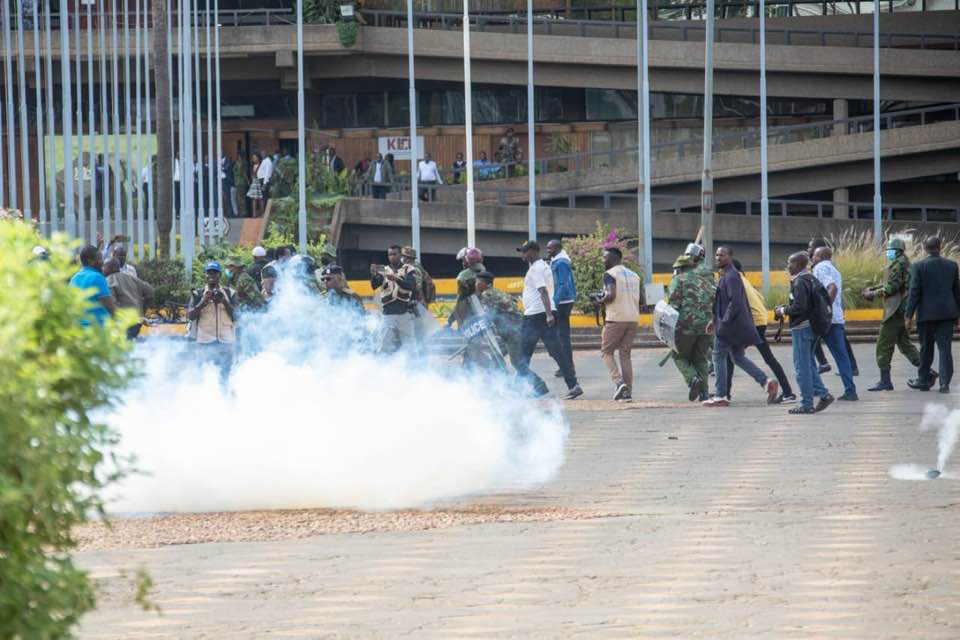
Kenya held general elections on 9 August 2022, and William Ruto was declared president. The opposition contested the election results and filed a petition before the supreme court, which unanimously dismissed the petition for lack of evidence.
Raila Odinga, the losing presidential contestant, rejected this ruling and has refused to recognise Ruto’s win. He has taken the dispute to the court of public opinion – the streets. He has made three main demands:
- that the electoral agency’s servers be opened to prove that he won the 2022 election
- that Ruto halts reconstitution of Kenya’s electoral body
- that the government lowers the cost of living.
Protests began on 15 August 2022 when the presidential election results were declared. Hoodlums assaulted the electoral agency’s chairperson and other officials. They are yet to be held to account for these attacks
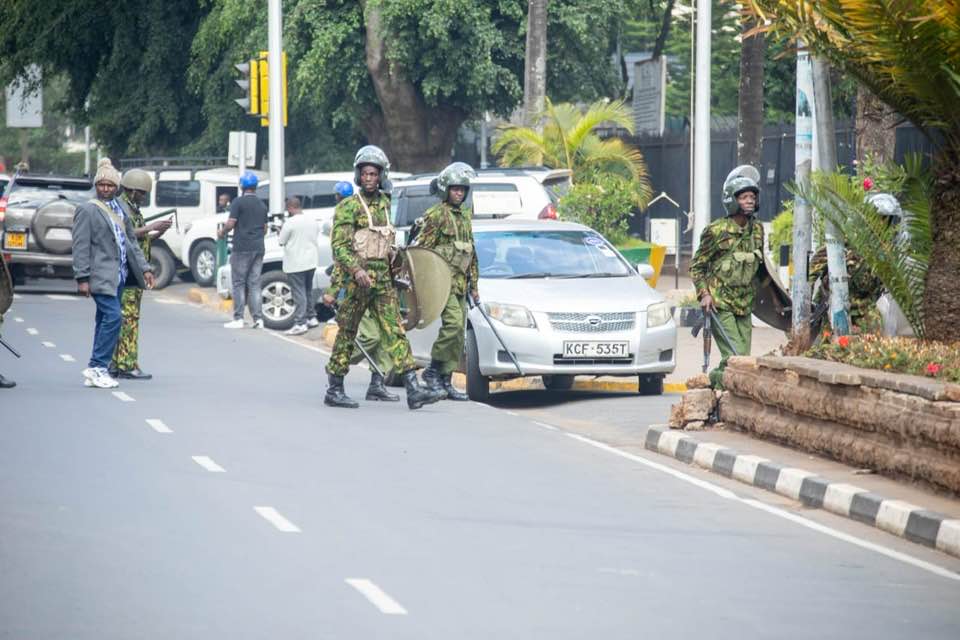
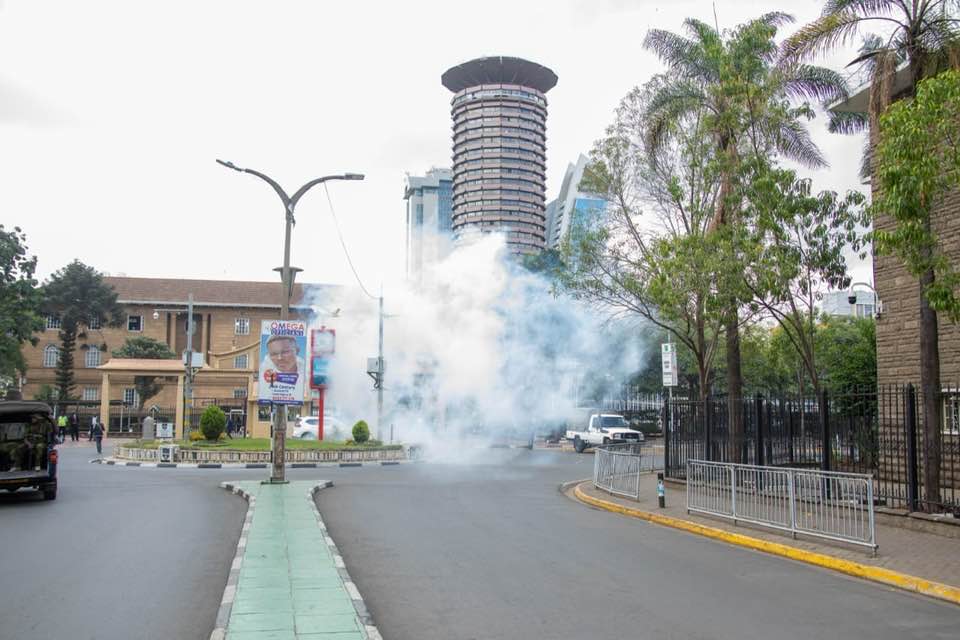
After a six-month lull, these protests recently spilled over onto the streets. The opposition called for demonstrations twice a week from 20 March until the government accedes to its demands.
Ruto and his supporters have been scornful of the opposition’s demands, saying they have no basis in law, morality or logic. Ruto dismissed the protests as acts of economic terrorism.
After two weeks of violence – where at least three people died, several others injured and property vandalised – Ruto extended an olive branch to the opposition and asked them to call off the protests. He suggested that the issue of the reconstitution of the electoral body could be revisited.
In response, the opposition suspended the protests.
Ruto has previously said he would not be blackmailed into a power-sharing arrangement with the opposition. If not checked, power-sharing arrangements – or “handshake” in Kenya’s political parlance – could become the country’s default arrangement after elections. This would be to the detriment of democratic tenets.
Kenya’s political history is marked by mass protests that date back to the colonial period and continued into independence.
Amid police crackdowns, Kenyans protested against political assassinations and autocracy during the tenures of the country’s first president, Jomo Kenyatta, and his successor, Daniel Moi.
Through a constitutional amendment, Moi turned Kenya into a one-party state in 1982, which heightened political tensions. Later that year, Kenyans protested in Nairobi in support of an attempted coup against Moi as opposition politicians and civil society sought a return to political pluralism.
Countrywide protests were held in 1990. This agitation, coupled with pressure from civil society, religious groups and western donors, forced Moi to accede to multiparty politics in 1991.
In 1992, mothers of political prisoners held an 11-month hunger strike in Nairobi to demand the release of their sons.
Protests against presidential results in 2007 led to a horrific crackdown. More than 1,100 people were killed, several of them extrajudicially by the police. Odinga had disputed Mwai Kibaki’s win. Protests and summary executions also followed the 2013 and 2017 announcements of presidential election results.
Protests are important. They can influence a government or a body of authority to respond to popular interests and injustice. Through protests, a government can be forced to address service delivery concerns, corruption, labour disputes, extrajudicial and summary executions and education matters, and to abandon dictatorial tendencies. In some countries, such as Tunisia, Egypt and Libya, protests collapsed regimes.
As I discuss in my book, Political Power and Tribalism in Kenya, political protests in the country have become insular, sectarian, tribal, unashamedly personality driven.
My research found that the political elite have used protests for self-preservation and to pursue their interests. Protests have become about getting opposing political personalities to come to an agreement so that election losers don’t lose all the benefits of being in power – but such agreements stifle healthy debate.
Elections must produce winners and losers among the contestants. The citizenry should be the only constant winners. Their concerns must be met regardless of who ascends to power.
This story was first published in The Conversation. Westen K Shilaho, a senior researcher on African politics, who explores the evolution of political protests in Kenya. You can read the original story here.