
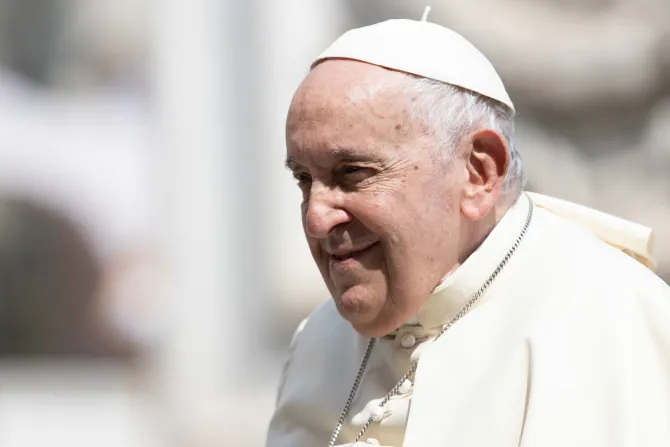
When a pope passes away, a detailed and sacred process unfolds, steeped in centuries of tradition and protocol.
1. Nine Days of Mourning
The official mourning period, known as novemdiales, spans nine days. During this time, the cardinals oversee a series of funeral rites. This period includes the public viewing of the pope’s body — known as lying in state.
When Pope John Paul II died, nearly a million people paid their respects. His body was first displayed in the Apostolic Palace for Vatican staff, then moved to St. Peter’s Basilica for public viewing ahead of his funeral on April 8.
2. Setting the Funeral Date
The College of Cardinals is responsible for setting the funeral date. According to church law, it should take place between the fourth and sixth day after the pope’s death, unless there are exceptional circumstances.
Interestingly, Pope Francis shared in his 2025 autobiography that he found the traditional funeral ceremonies overly elaborate.
“So I have arranged with the master of ceremonies to lighten it,” he wrote. “No catafalque, no ceremony for the closure of the casket, nor the deposition of the cypress casket into a second of lead and a third of oak.”
3. Burial Within Days
Burial typically follows within four to five days. The camerlengo — a senior Vatican official — organizes the funeral in accordance with the pope’s final wishes.
John Paul II’s funeral took place six days after his passing, on April 8 at 10 a.m., in St. Peter’s Square. The Mass was led by Cardinal Joseph Ratzinger, then Dean of the College of Cardinals, assisted by 164 cardinals.
The event drew around 2 million online viewers and a host of world leaders — including four kings, five queens, and more than 70 presidents and prime ministers.
John Paul II was buried in the Vatican’s crypt beneath St. Peter’s Basilica. However, Pope Francis has indicated he has different plans:
“When it happens, I will not be buried in Saint Peter’s but at Santa Maria Maggiore,” he wrote. “The Vatican is the home of my last service, not my eternal home.”
4. Electing a New Pope: The Conclave
Until a new pope is elected, the camerlengo serves as the interim leader of the Vatican and organizes the conclave — the secretive process where cardinals elect the next pope.
Only cardinals under the age of 80 are eligible to vote. In 2005, 115 cardinals participated. The conclave typically begins 15 to 20 days after the pope’s death and may involve several rounds of voting. Most conclaves in the modern era have lasted fewer than four days.
The process takes place inside the Sistine Chapel. While the proceedings are confidential, the world watches the chapel’s chimney for signals: black smoke means no decision, while white smoke announces a new pope.
In 2005, the conclave started on April 18 — 16 days after John Paul II’s death — and concluded the next day after just four ballots. Cardinal Joseph Ratzinger was elected and became Pope Benedict XVI.
5. The New Pope is Revealed
After being elected, the new pope is asked two questions: whether they accept the role, and what name they will take. Then, formal documents are signed, papal garments are fitted — typically prepared in three sizes — and the world is notified.
A senior cardinal deacon steps onto the balcony overlooking St. Peter’s Square and announces:
“Habemus Papam!” — “We have a pope!”
Pope Benedict XVI was officially introduced on April 19 and formally installed on April 24. His first trip as pope was to his native Germany in August that same year.

