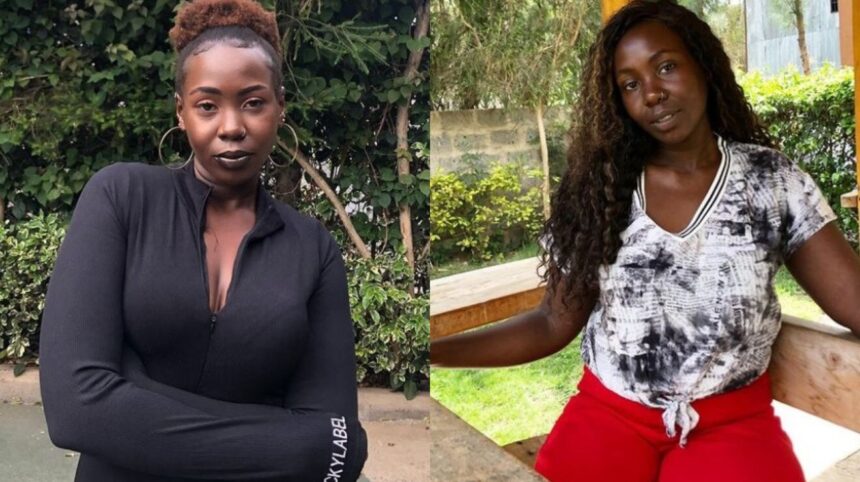
Kenyan digital content creator Chebet Ronoh has come out strongly to address a disturbing viral photo that falsely portrayed her as bruised and beaten.
The digitally altered image, which circulated widely on X (formerly Twitter), Instagram, and TikTok on Tuesday, July 1, 2025, showed Ronoh with what appeared to be facial injuries, including a swollen lip and bruises. The post triggered widespread concern and speculation about her well-being.
However, Ronoh swiftly responded through her Instagram Stories and X account, reassuring fans that she was safe and unharmed.
“I am completely fine, and someone has edited a picture of me for whatever reason. I am in the comfort of my home, safe and sound,” she wrote.
In a series of follow-up posts, Ronoh expressed sharp frustration over the invasion of her privacy and the circulation of misleading content online.
“Can we be so fr [for real]… leave me alone,” she stated, making it clear that she had never experienced such violence and was appalled by the fabrication.
Ronoh, known for her bold presence on digital platforms and previous viral commentary on influencer culture, has often faced intense scrutiny online. Her name has surfaced in recent content creator feuds, with some accusing her of bullying and fanning online drama.
Despite that, she remains vocal and unapologetic, urging fans and critics alike to fact-check content before amplifying harmful or false narratives.
“I have never looked like that. I don’t know what this image is or who’s behind it, but it’s malicious,” she said.
Ronoh’s experience sheds light on a growing concern in Kenya’s influencer space — deepfakes and image manipulation. With the rise of AI and photo editing tools, public figures are increasingly at risk of image-based defamation.
The Kenya Film Classification Board (KFCB) and cybercrime authorities have in recent months raised red flags about unauthorized use of digital likenesses.